Wilderness Landscape & Natural Heritage
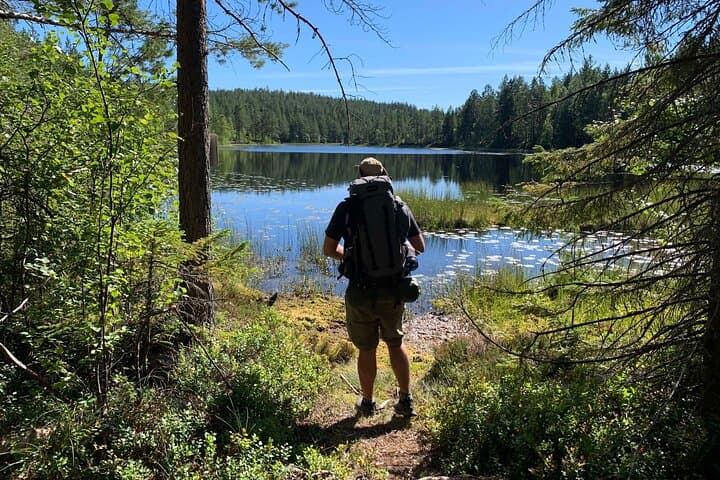
The High Coast/Kvarken Archipelago UNESCO World Heritage Site is a transboundary natural heritage area encompassing Sweden’s High Coast and Finland’s Kvarken Archipelago along the northern Baltic Sea. It is internationally recognized for showcasing the world’s highest rates of post-glacial land uplift, where the earth’s crust is rising at nearly one centimeter annually due to the retreat of the last Ice Age's glaciers. This phenomenon has formed dramatic coastal cliffs, rocky islands, and archipelagos that continue to evolve visibly year by year. The Swedish High Coast features soaring cliffs reaching up to 286 meters, a rugged and forested landscape providing scenic hiking trails and unique ecosystems. The Kvarken Archipelago, characterized by shallow waters and numerous islands composed chiefly of flat, glacially deposited sediments called deceased drumlins, hosts a diverse habitat including many migratory bird species and seal populations. Together, these areas present a dynamic natural laboratory of geological change intertwined with rich biodiversity. Outdoor enthusiasts are drawn to hiking, kayaking, sailing, fishing, and bird watching across the regions. The High Coast Trail offers an extensive network of well-maintained footpaths through coniferous forests, historical villages, and striking viewpoints. The Kvarken Archipelago is especially notable for boating routes that navigate between its countless islands, providing unparalleled close encounters with nature. Both areas emphasize sustainability and conservation, inviting visitors to explore their remarkable landscapes while protecting fragile ecosystems. The UNESCO designation highlights how these landscapes beautifully illustrate the ongoing geological processes shaping our planet.