Wilderness Landscape & Natural Heritage
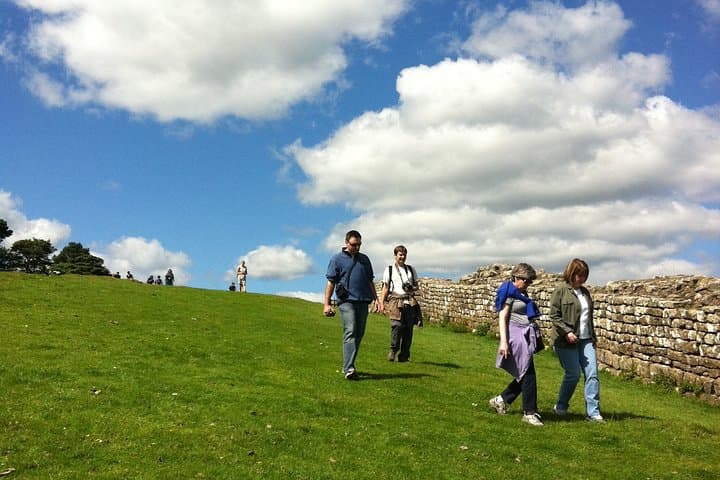
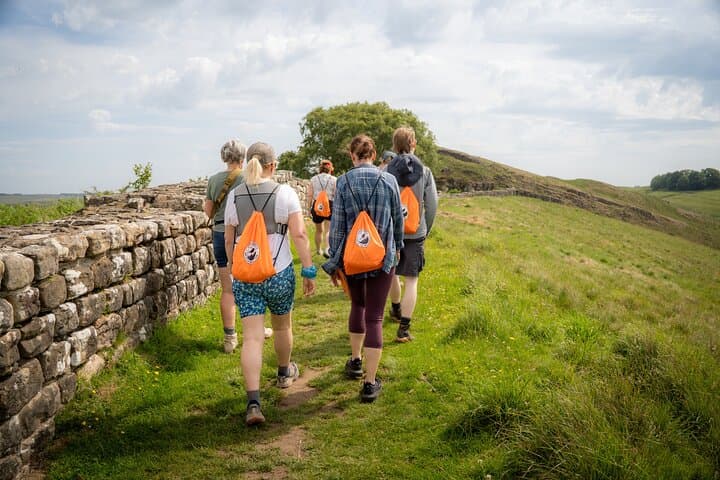
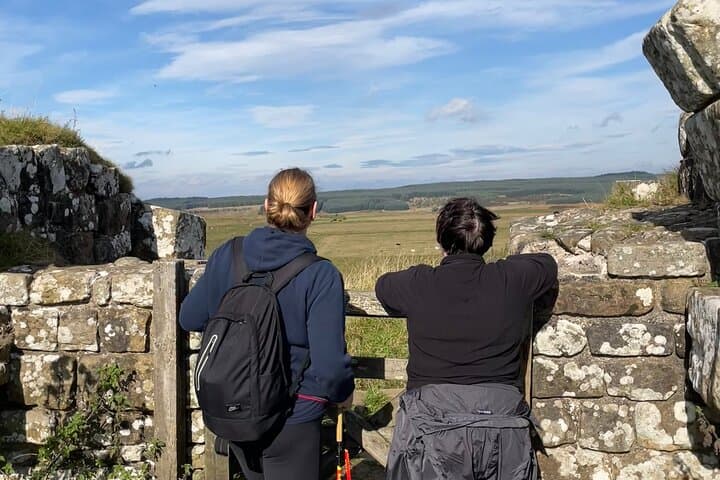
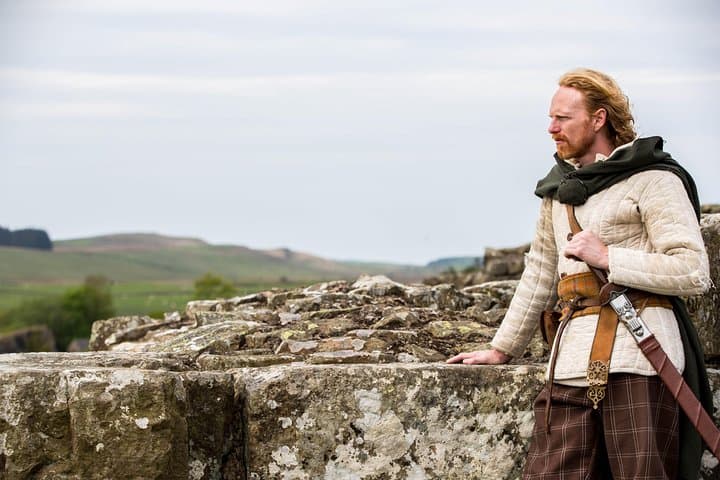
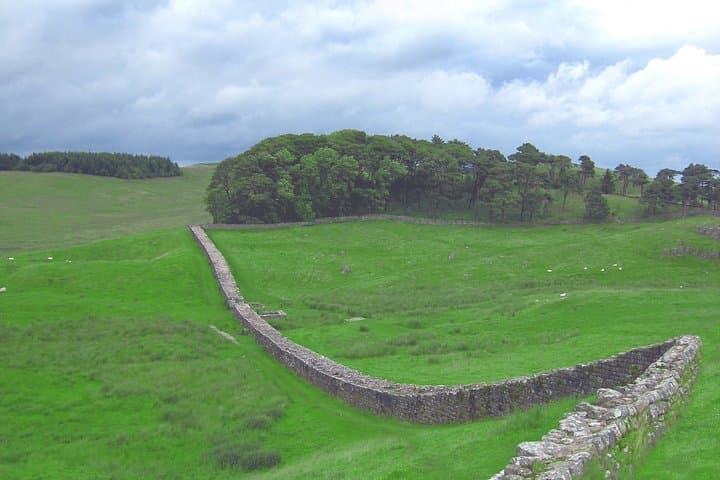
Hadrian’s Wall World Heritage Site stretches approximately 73 miles (117 kilometers) across northern England from the banks of the River Tyne near the North Sea to the Solway Firth on the Irish Sea. Built by Roman legions starting in AD 122 under Emperor Hadrian, it marked the northern limit of the Roman Empire in Britain. The wall’s construction includes stone, turf sections, forts, turrets, milecastles, and associated settlements. The site features rolling hills, moorlands, and river valleys, creating a varied landscape imbued with cultural and natural heritage. Ecologically, the terrain supports grasslands and heath common to northern England, with wildlife including upland birds and small mammals. Visitors can hike the renowned Hadrian’s Wall Path, a National Trail that follows much of the wall’s original course, offering a unique blend of historic ruins and countryside views. Key landmarks include the well-preserved forts of Housesteads and Vindolanda, Ribchester Roman Museum, and the Roman Army Museum, which provide insight into Roman military life. The site appeals to history enthusiasts, walkers, and families interested in archaeology and British heritage. Seasonal changes offer varied experiences, from blooming wildflowers in spring to misty moorland vistas in autumn. As a protected heritage site, it balances conservation goals with public access, safeguarding nearly two millennia of history. The Wall’s UNESCO designation reflects its global significance as an ancient boundary and cultural monument.