Wilderness Landscape & Natural Heritage
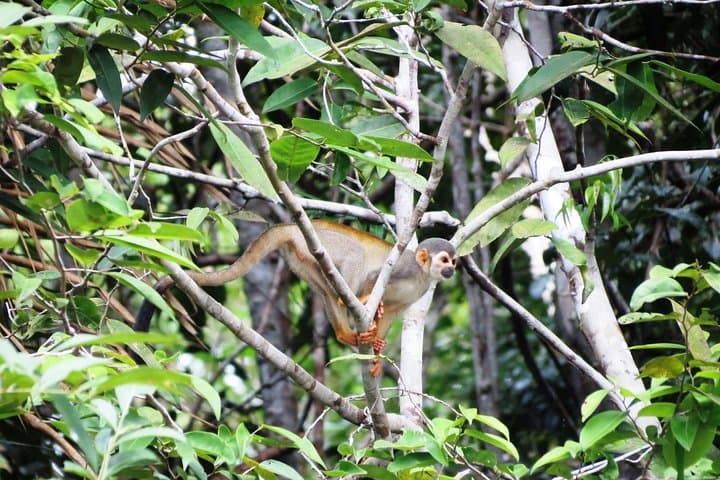
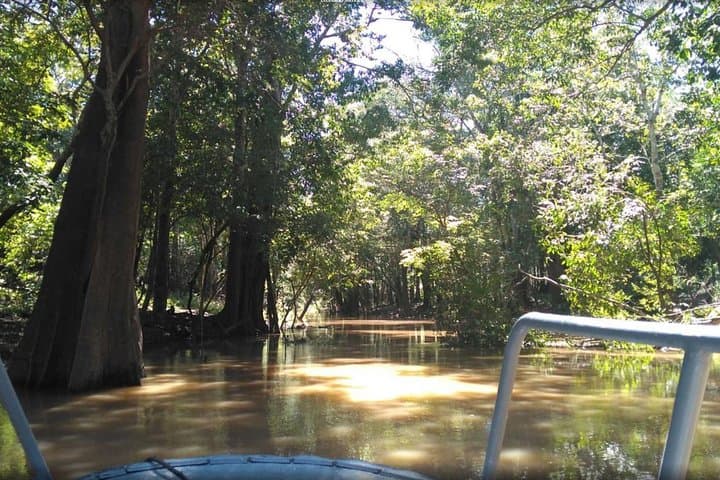
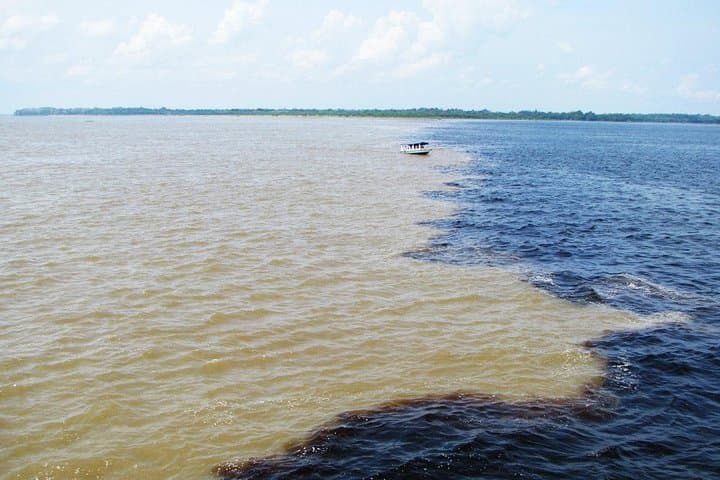
The Central Amazon Conservation Complex spans over 10 million acres in the heart of the Brazilian Amazon rainforest. Comprised of multiple protected areas including national parks, reserves, and sustainable-use forests, it protects one of the most biodiverse places on the planet. Its geography features dense tropical rainforest, winding rivers, and seasonally flooded floodplains, providing critical habitat for jaguars, giant river otters, notoriously diverse bird species, and countless other wildlife. Established primarily in the 1980s and 1990s, this complex was created to conserve the vast Amazon ecosystem while allowing limited sustainable resource use in designated zones.
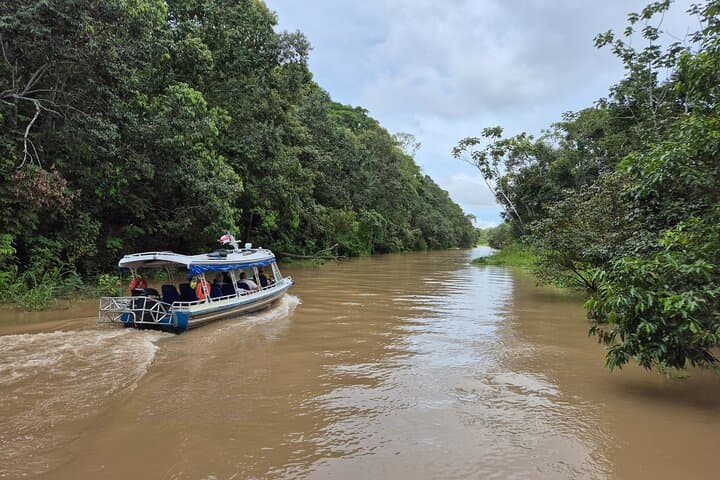
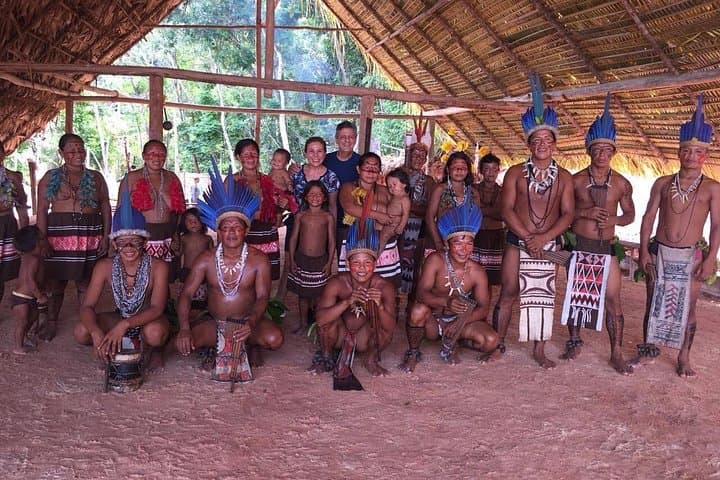
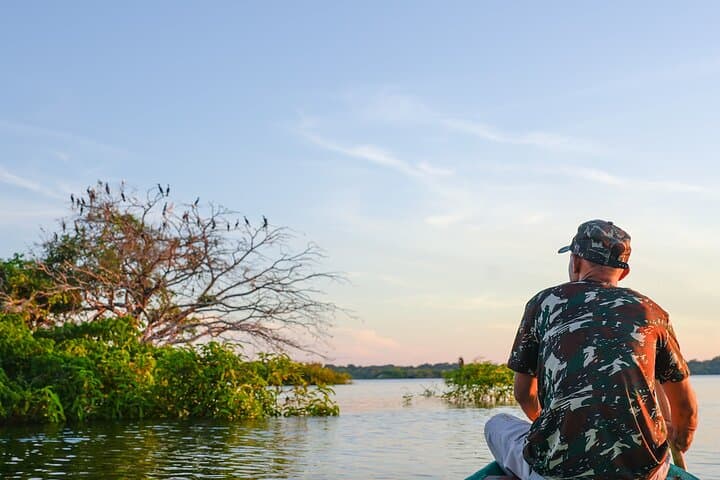
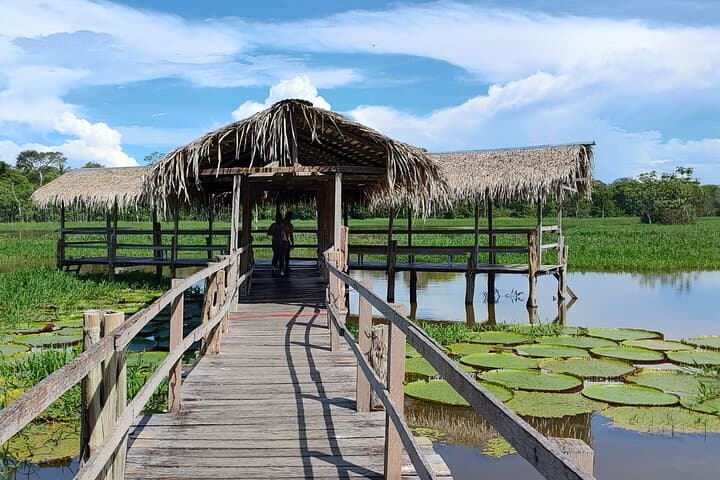
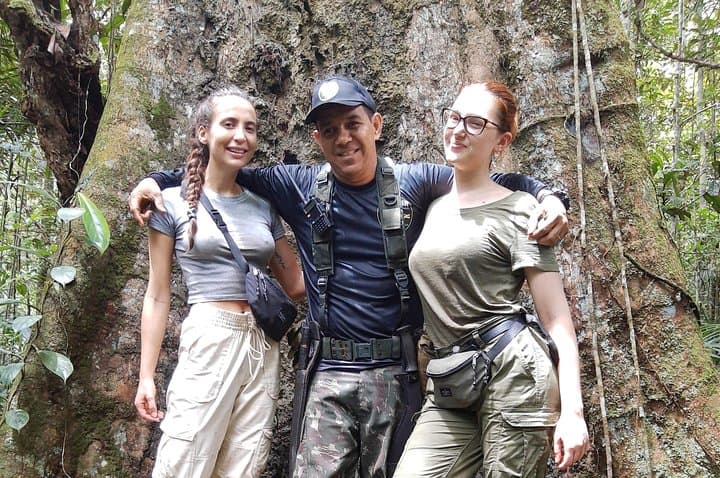
Visitors to the complex engage in activities such as guided jungle trekking, wildlife viewing by boat, birdwatching, and indigenous community visits. The Anavilhanas Archipelago within the complex is notable for its thousands of river islands and aquatic species, while the Jaú National Park offers pristine wilderness with few visitors. The combination of aquatic and terrestrial environments supports unique ecological research opportunities and adventure tourism. Due to its remote location, access is mostly by riverboat, adding to the sense of exploration and immersion.
The complex is recognized by UNESCO for its global environmental significance and is crucial for climate regulation and carbon sequestration. It also supports indigenous communities who carry out traditional practices compatible with conservation goals. The Central Amazon Conservation Complex remains a vital stronghold for Amazonian wildlife and tropical forest preservation, attracting scientists, eco-travelers, and conservationists worldwide.