Wilderness Landscape & Natural Heritage
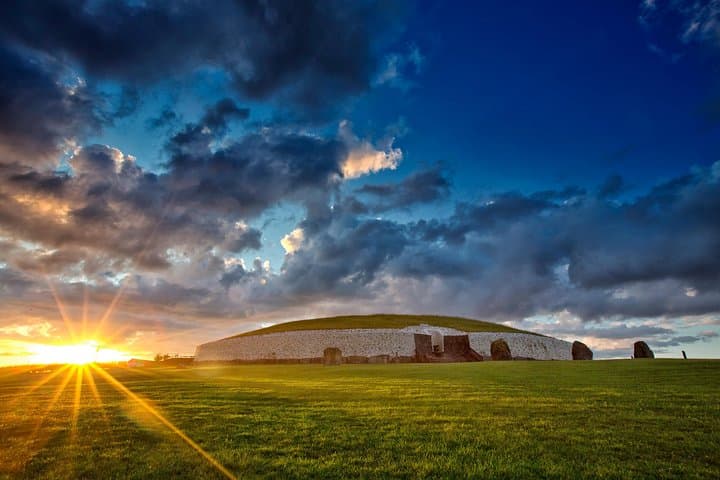
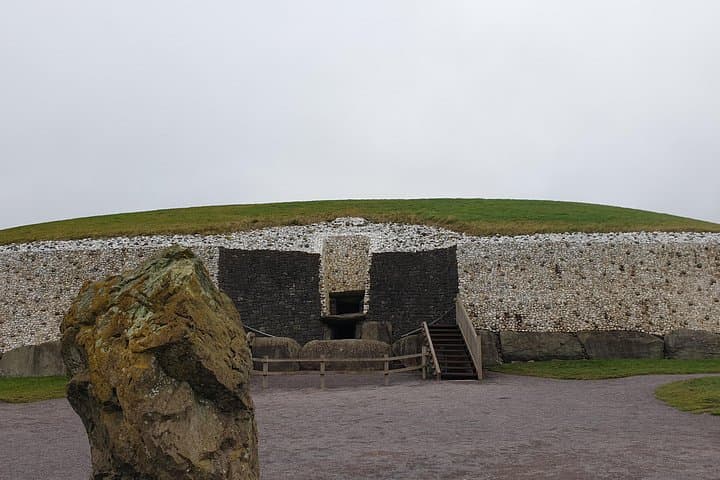
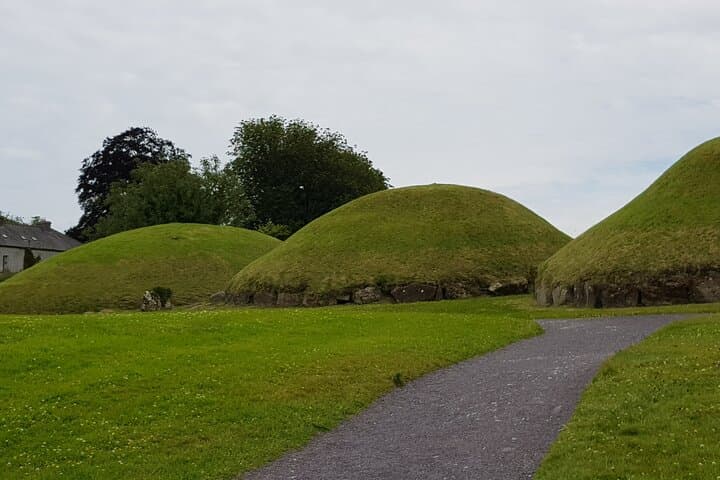
The Boyne Valley UNESCO World Heritage Site, located in eastern Ireland spanning Counties Meath and Louth, is internationally acclaimed for its remarkable prehistoric heritage and scenic river valley landscapes. Encompassing a variety of Neolithic monuments dating back nearly 5,000 years, the area is home to some of Ireland's most important and visually impressive archaeological features, including the passage tombs of Newgrange, Knowth, and Dowth. These structures showcase intricate megalithic art and align with celestial events, revealing sophisticated early knowledge of astronomy and ritual.
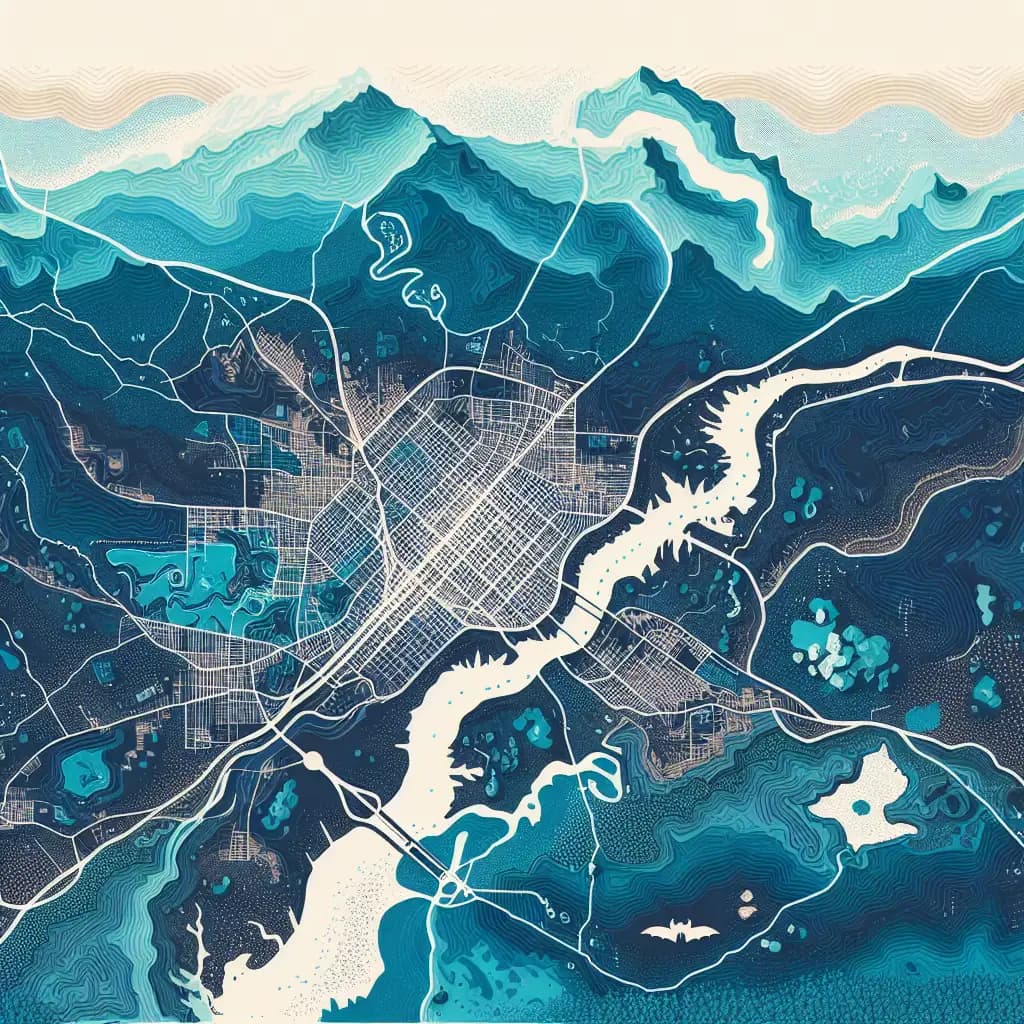
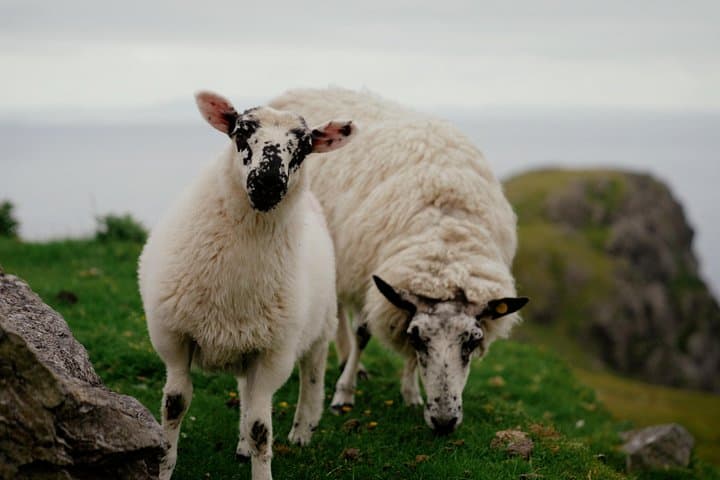
Geographically, the Boyne River carves a fertile valley flanked by rolling hills and limestone plains, offering diverse flora and fauna in a temperate climate. The site supports mixed woodlands, wetlands, and grasslands which sustain local wildlife, including bird species such as kingfishers and herons.
Visitors to Boyne Valley can engage in a variety of outdoor and cultural activities — from guided tours of the ancient tombs and historic landscapes to hiking along the riverside paths, cycling routes, and visiting key heritage sites like the Hill of Slane and Loughcrew Cairns. The valley also features picturesque villages, historic castles, and museums focusing on Irish history and archaeology.
Boyne Valley's blend of stunning natural landscapes and invaluable cultural history attracts thousands of visitors annually, making it a top destination for those interested in early human civilization, outdoor exploration, and Irish heritage. The UNESCO designation underscores the site's significance and ensures ongoing preservation efforts.