Wilderness Landscape & Natural Heritage
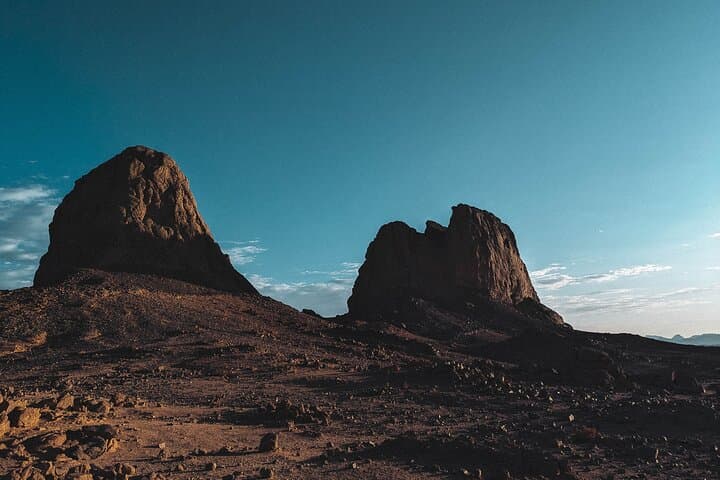
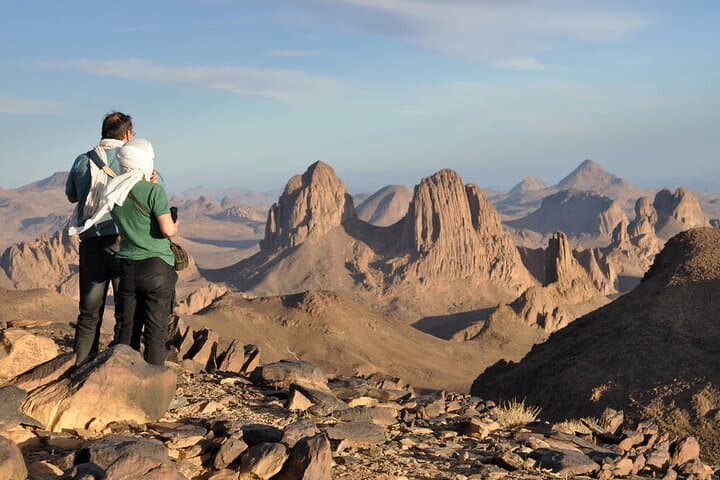
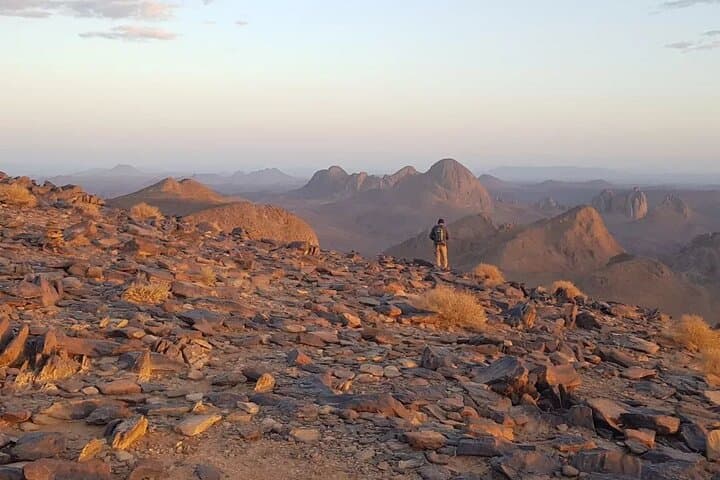
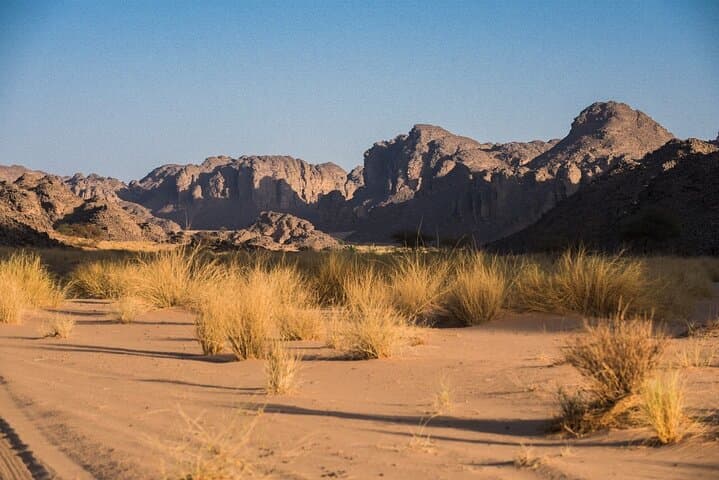
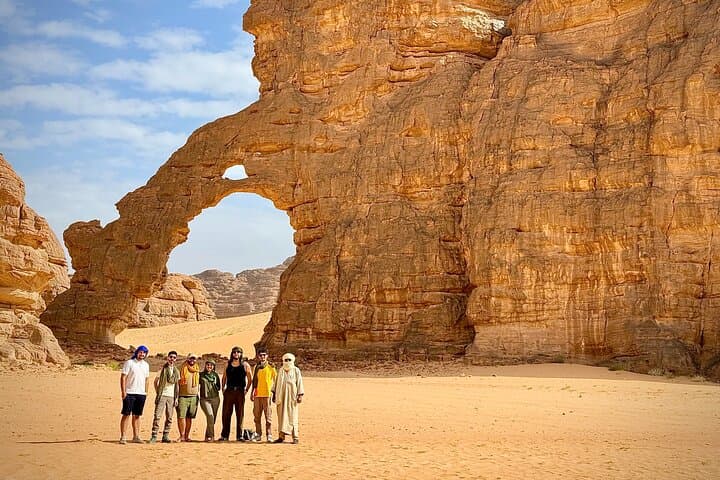
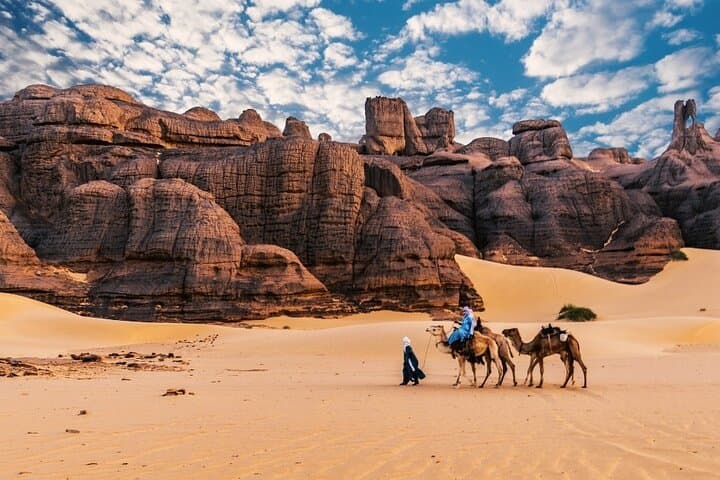
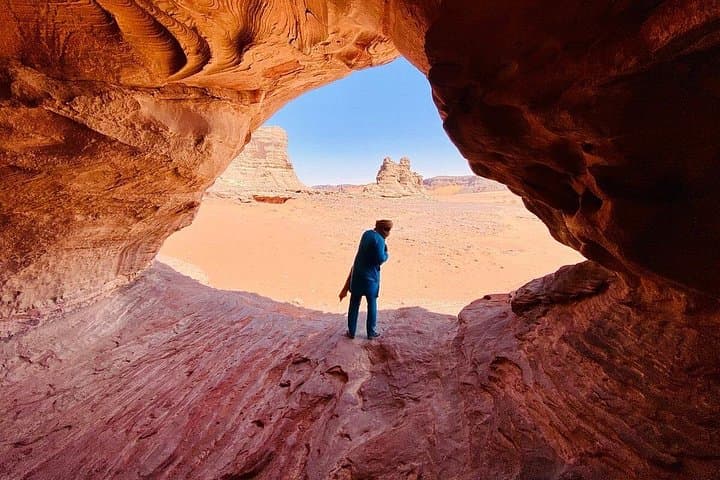
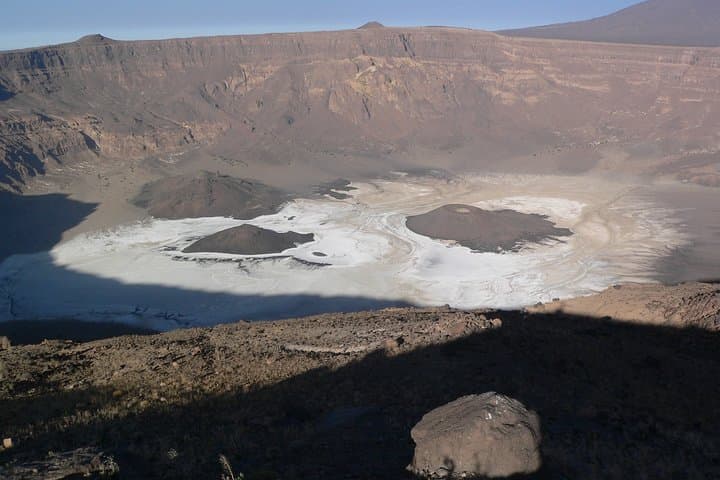
The Air and Ténéré Natural Reserves encompass one of the largest protected areas in the Sahara Desert, covering over 7.7 million acres in northeastern Niger. This UNESCO World Heritage Site is composed of two adjoining reserves: the Air Reserve, which protects the rugged mountainous terrain of the Air Mountains, and the Ténéré Reserve, representing vast desert plains and sand dunes. The reserves are characterized by an extreme desert environment with dramatic geological formations, including ancient volcanic rock outcrops and wide expanses of sand seas. Ecologically, they provide critical habitat for desert-adapted species such as the addax antelope, dama gazelle, Saharan cheetah, and the Barbary sheep, along with a variety of bird species. The area holds cultural significance, with petroglyphs and archaeological sites reflecting thousands of years of human presence. Visitor access is very limited due to its remote location, lack of infrastructure, and harsh environmental conditions. However, adventurous travelers and researchers visit for desert trekking, wildlife observation, photography, and cultural exploration. The Air Mountains offer cooler pockets of biodiversity and scattered oases, while the expansive Ténéré desert provides a quintessential Saharan experience. The reserve plays a crucial role in the conservation of Sahara’s fragile desert ecosystems and serves as a refuge for some of the last surviving populations of endangered desert species.