Wilderness Landscape & Natural Heritage
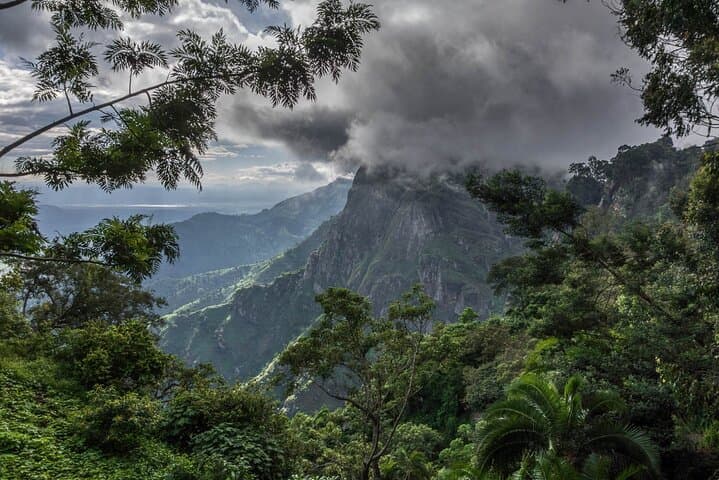
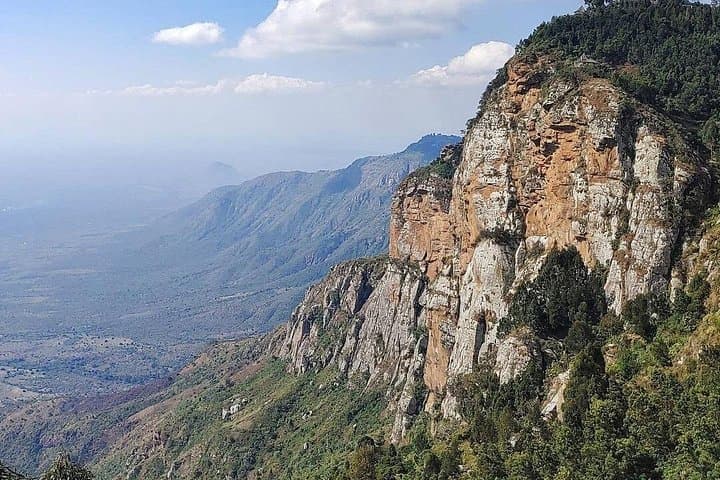
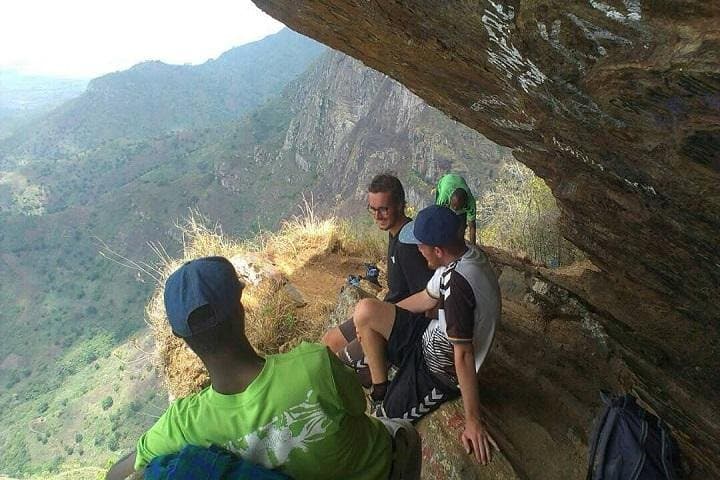
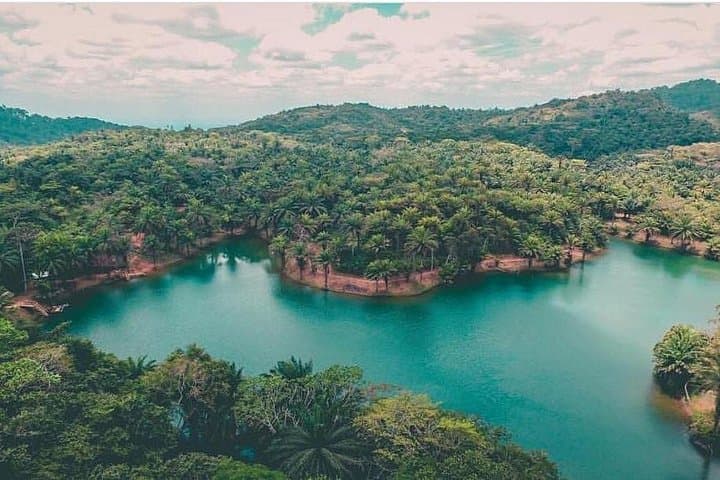
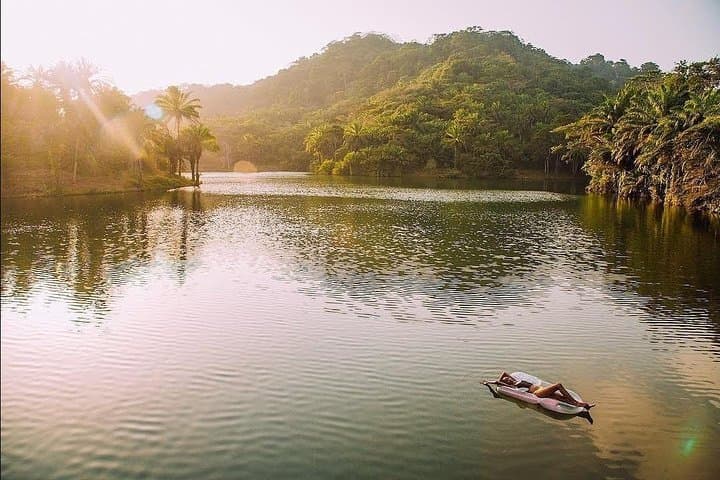
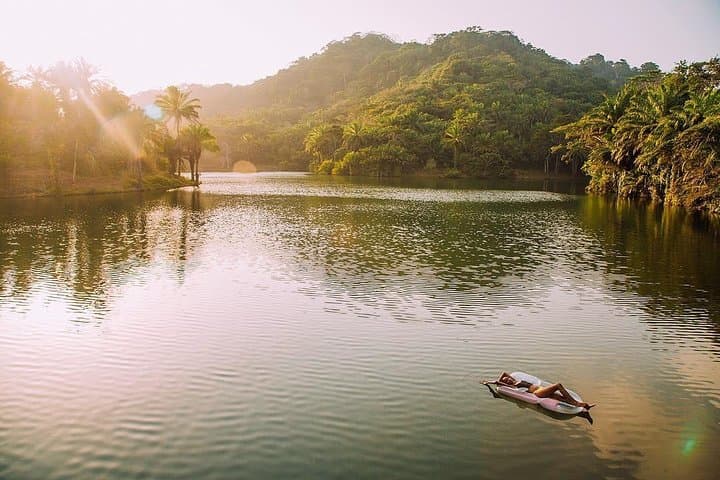
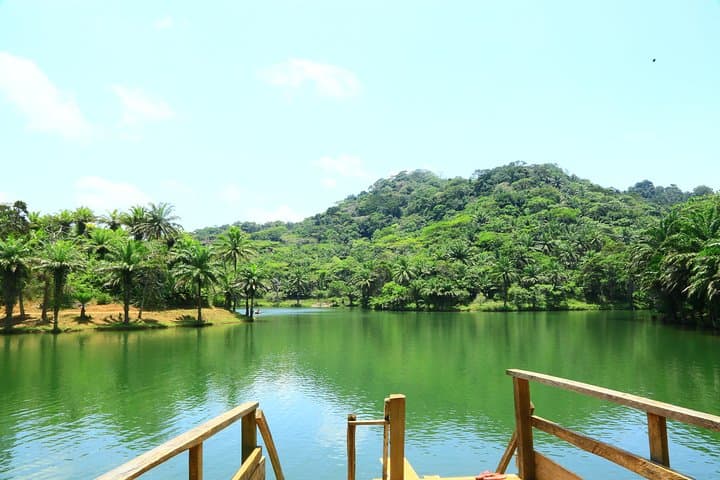
The Mkinga Forest Reserves comprise multiple forest blocks situated within the Tanga Region in northeastern Tanzania. These reserves cover extensive tracts of coastal forest and woodlands, contributing significantly to the biodiversity of the Eastern Arc and Coastal Forests ecosystem. The landscape features mixed lowland and mid-altitude forests with patches of miombo woodland and thickets. The reserves serve as important catchment areas for nearby rivers and help regulate local microclimates. Ecologically, Mkinga Forest Reserves support several rare and endemic species of plants, birds, and mammals, including some that are categorized as vulnerable or threatened. The forests are home to species such as the Tanzania coastal endemic trees, various primates like the Black-and-white Colobus monkey, and a diversity of birdlife including African grey hornbills and forest robins. Historically, the forest reserves were established to prevent deforestation linked to farming expansion and timber extraction, aiming to conserve the unique biodiversity and support local communities through sustainable use of resources. Visitors to the Mkinga Forest Reserves can experience guided nature walks, birdwatching excursions, and cultural encounters with indigenous peoples who depend on the forest for traditional medicines and subsistence. The reserves also provide opportunities for conservation education and scientific research. While infrastructure is basic, the remote setting offers solitude and direct connection to East Africa’s coastal forest environments. Efforts continue to balance conservation with sustainable economic use to ensure the forest's health and resilience for future generations.