Wilderness Landscape & Natural Heritage
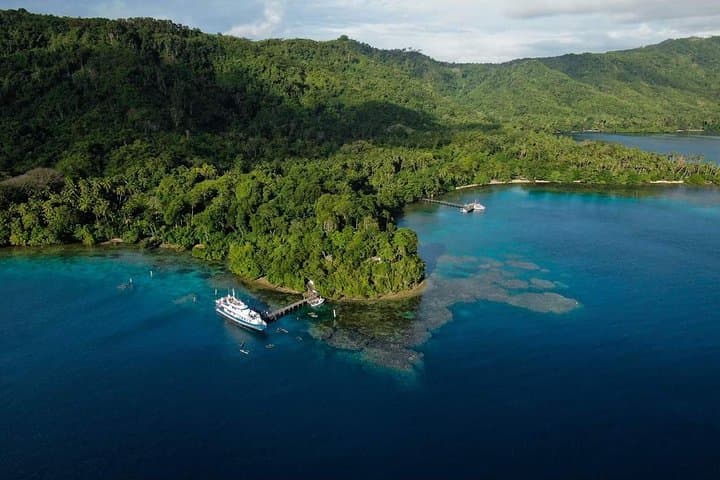
Kolobangara Forest Reserve encompasses the entirety of Kolobangara Island in the Western Province of the Solomon Islands. The island is known for its nearly perfect circular volcanic cone, rising to approximately 1,770 meters (5,800 feet), and covered predominantly by dense tropical rainforest. This forest reserve is one of the most important conservation areas within the Solomon Islands due to its exceptional biodiversity and relatively undisturbed habitat. It supports numerous endemic bird species, including the Kolombangara white-eye, Kolombangara fantail, and the ultra-rare yellow-legged pigeon. The reserve also shelters distinctive rainforest flora and fauna consistent with high island ecosystems in the South-Pacific.
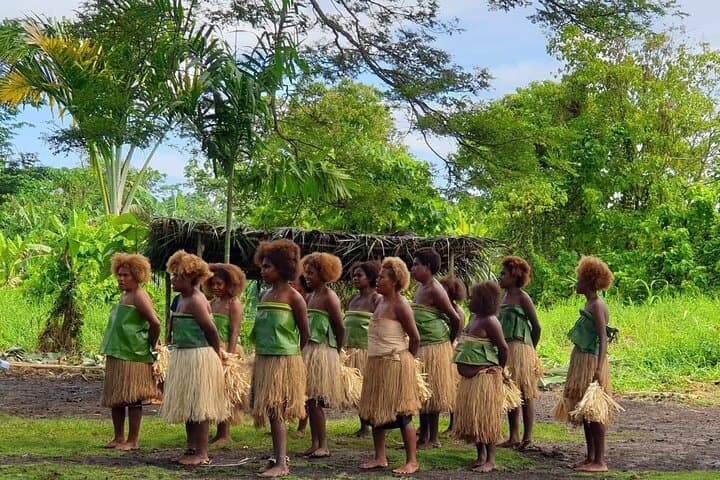
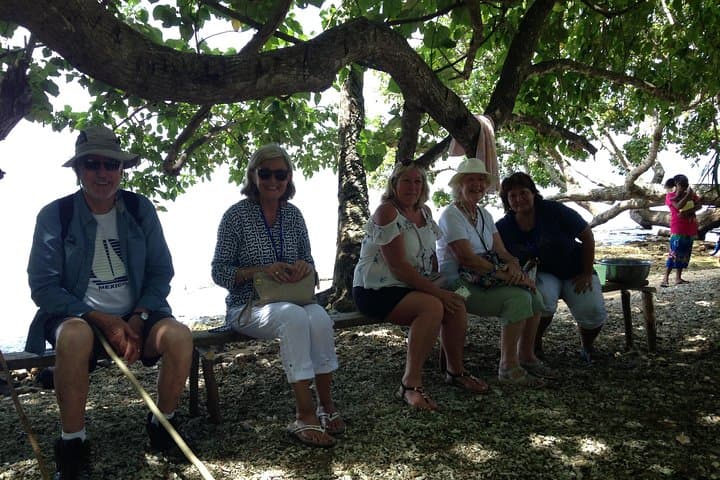
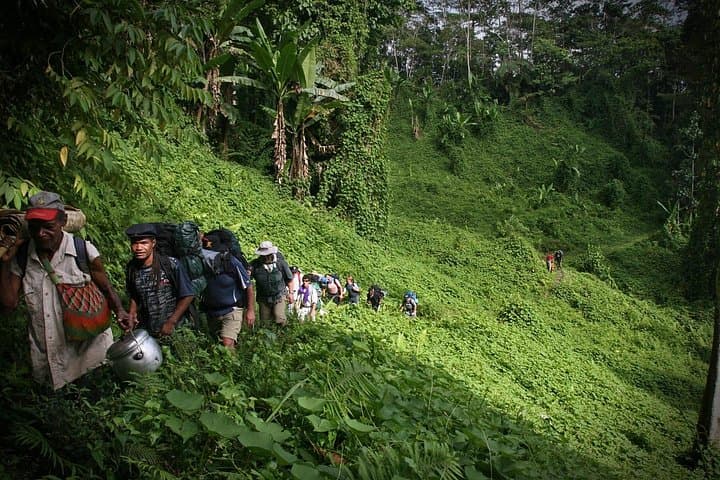
Historically, Kolobangara Island was used for logging, but logging activity has decreased significantly due to conservation measures. The island's forest forms part of the larger New Georgia rainforests ecoregion, which is listed as a biodiversity hotspot. Visitors to the reserve typically arrive via boat from the nearby town of Munda and engage in birdwatching, nature hiking, and cultural encounters with local communities. There are no extensive trail systems or developed visitor facilities, preserving the island’s wilderness feel, but this also means excursions often require guides and good preparation. The volcanic peak offers challenging hikes with rewarding panoramic views across the Western Province.
Kolobangara Forest Reserve remains a vital sanctuary for species conservation and indigenous culture, attracting eco-tourists and researchers interested in island ecology and tropical biodiversity. Its remote location and pristine environment provide a rare outdoor experience in the Pacific region.