About this landmark
Sepik River: The Pulse of Papua New Guinea
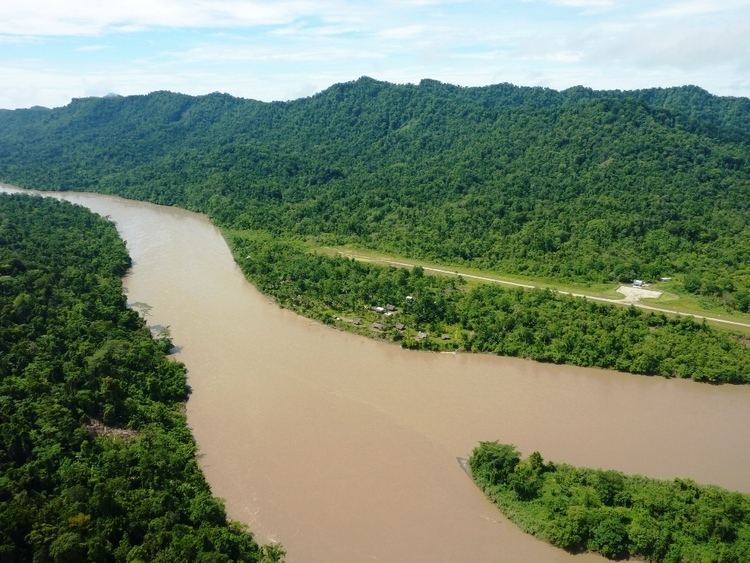
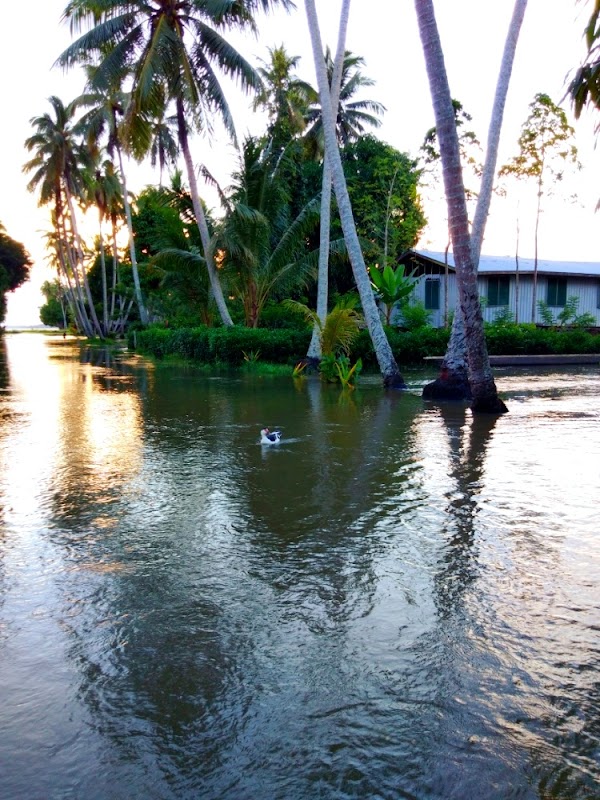
Crisscrossing the lush landscapes of Papua New Guinea, the Sepik River is a mesmerizing natural landmark that draws visitors with its wild beauty and cultural richness. Stretching for approximately 1,126 kilometers, it is one of the longest rivers in the world that remains untouched by development. Immersed in the heart of a verdant rainforest, the river carves its way through remote villages and thriving ecosystems, offering a unique glimpse into a world largely removed from modernity.
The river is home to a diverse array of wildlife, including countless species of birds and fish. The dense canopy around it shelters rare and exotic flora, capturing the attention of botanists and nature lovers alike. Along its meandering path, the river nurtures the cultures of various indigenous communities, each of which celebrates its deep connection with the river through art, music, and traditional ceremonies.
A critical natural resource, the Sepik River is unique for its ecological importance as well as its role in sustaining traditional lifestyles. The river is not merely a waterway; it is a lifeline carrying tales of ancient tribes and traditions. Its waters mirror an unspoiled refuge, providing sanctuary to both the natural world and cultural heritage.
Adventure Guide
Adventure Guide to Sepik River
1. Canoe Exploration
- Specialty: Drift along the Sepik's gentle currents while discovering hidden inlets and remote villages. Canoes provide an intimate perspective of the river's breathtaking landscapes, offering views of nature completely untouched by man.
- Key Features: Traditional handcrafted dugout canoes; close encounters with riverine wildlife.
- Visitor Tips: Best explored in the dry season from May to October for optimal conditions. Consider sun protection and mosquito repellent. Guided tours recommended.
2. Cultural Village Visits
- Specialty: Engage with the fascinating and vibrant cultures of the Sepik tribes. Experience traditional dances, wood carving demonstrations, and unique story-telling traditions.
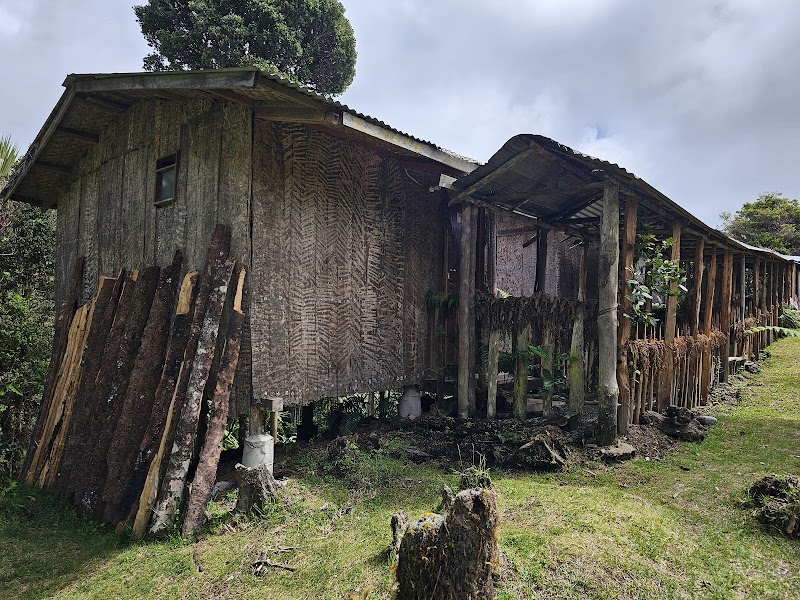
- Key Features: Local markets, artifacts, and traditional 'Haus Tambaran' (spirit houses).
- Visitor Tips: Engage respectfully with local customs. Bring small gifts or purchase handicrafts to support the community.
3. Wildlife Observation
- Specialty: Bird watchers and nature enthusiasts will revel in the chance to spot rare species in their untouched habitat.
- Key Features: Rich biodiversity with sightings of cassowaries, parrots, and crocodiles.
- Visitor Tips: Dawn and dusk are the best times for wildlife activity. Binoculars are a must for keen wildlife observation.
Visitor Tips
- Best Times:Dry Season for favorable conditions and optimal lighting.
- What to Bring:Plenty of water, sun protection, a camera, and respectful Leave-No-Trace mindset.