About this landmark
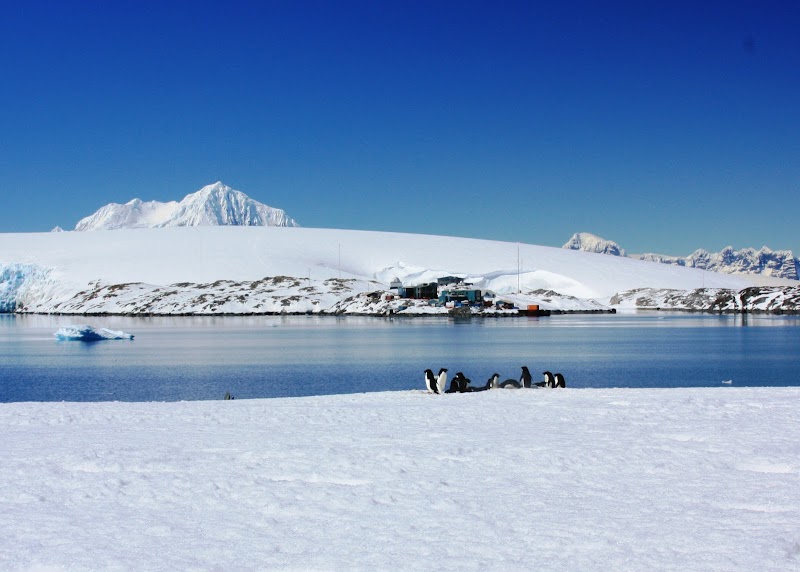
Nestled in the pristine expanse of Antarctica, Palmer Station offers an unparalleled glimpse into the cold wilderness of Earth's southernmost continent. Established in 1965, this American research station on Anvers Island provides a critical hub for polar scientific endeavors. Its location amidst the boundless beauty of the icy landscape makes it a truly outstanding destination.
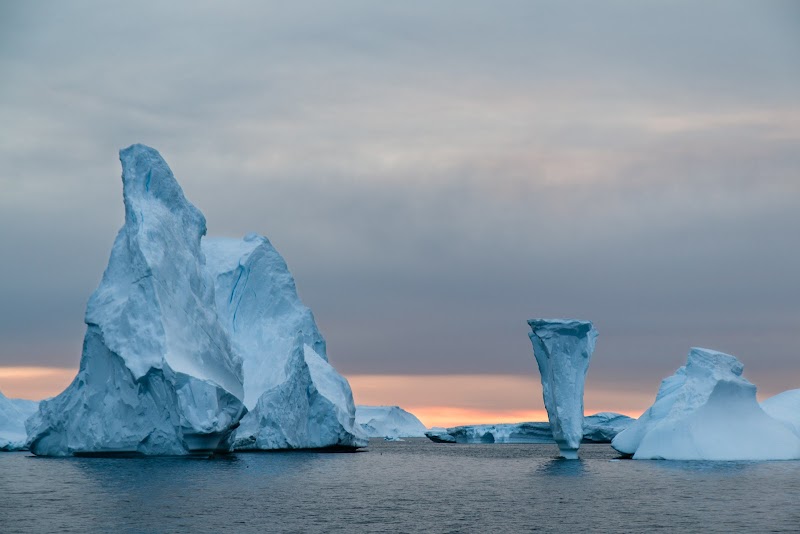
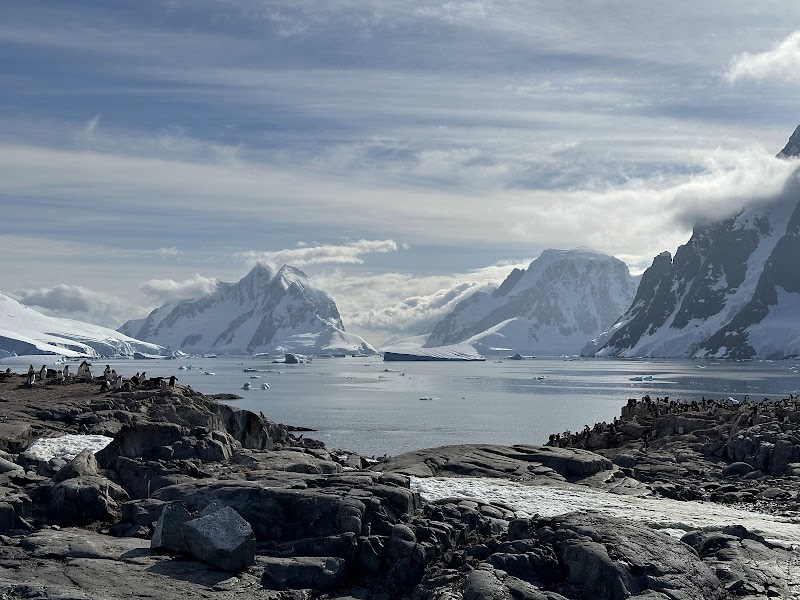
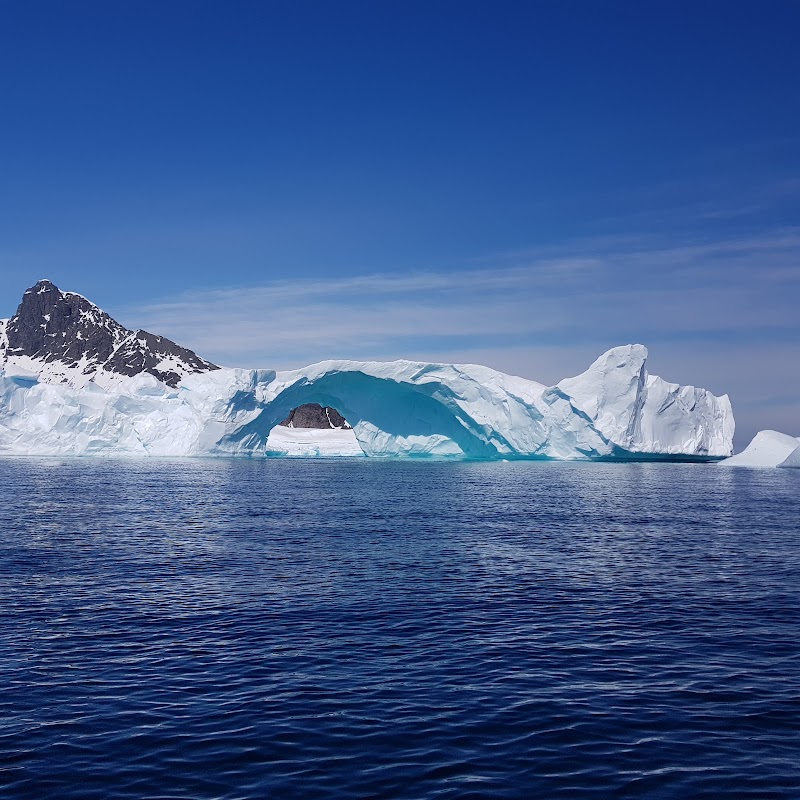
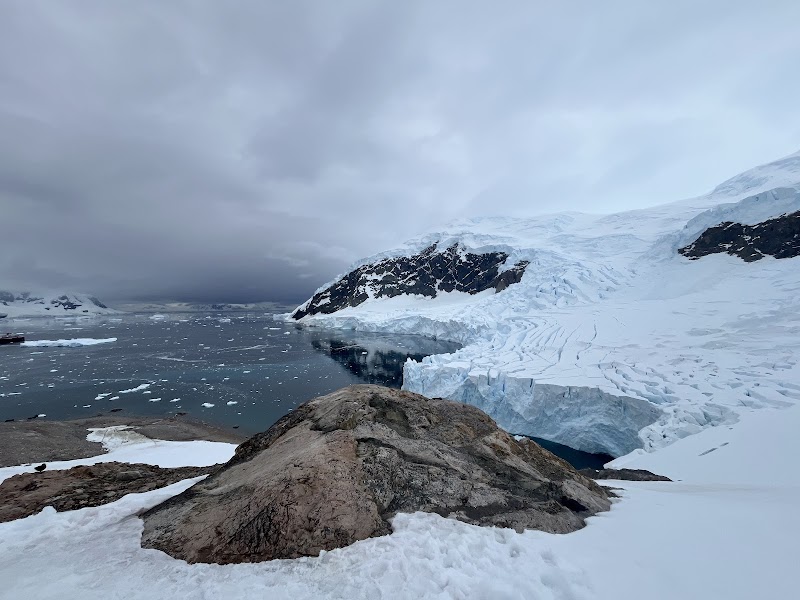
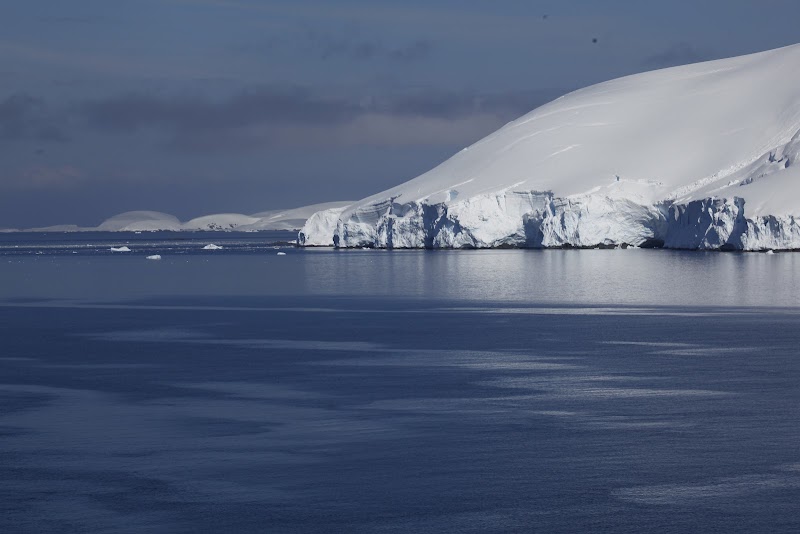
The station is surrounded by dramatic glacial formations, often viewed glistening under the unique polar daylight. It's a sought-after site for researchers owing to the rich marine biodiversity, including seals and penguins, as well as the unique backdrop it provides for scientific study. Visitors are treated to breathtaking views of mammoth icebergs drifting silently nearby, sculpted by the elements into stunning shapes.
An interesting note to history enthusiasts: Palmer Station is named after the American seal hunter and explorer, Nathaniel B. Palmer, who is among the first to have sighted the Antarctic coastline in 1820. The station continues to embody the spirit of exploration and discovery. Despite the harsh environmental conditions, its remote allure captivates those fortunate enough to journey there.
Travelers must be prepared for extreme conditions, packing essentials like heavy-duty outerwear for the biting cold, along with high-quality binoculars for appreciating the vivid local wildlife. Accessible solely via specialized ships, those who make the trek will stumble upon an extraordinary, silent world like no other.
Adventure Guide
Adventure Guide To Palmer Station
1. Polar Plunge
- Location: Near Palmer Station
- Specialty: A thrilling dive into icy waters offers a rush like no other.
- Key Features: Part of the adrenaline-pumping Antarctic tradition.
- Visitor Tips: Bring warm clothes and courage!
2. Glacier Trekking
- Location: Surrounding Glacial Areas
- Specialty: Explore surreal icy landscapes.
- Key Features: Opportunity to view unique formations close-up.
- Visitor Tips: Ensure proper gear and guide from the station.
3. Wildlife Observation
- Location: Coastline and Nearby Islands
- Specialty: Witness seals, penguins, and diverse seabirds in their natural habitat.
- Key Features: Best for birdwatching and photography.
- Visitor Tips: Best visited during the brief Antarctic summer months.
Visitor Tips
- Best Times:Antarctic Summer for favorable conditions and optimal lighting.
- What to Bring:Plenty of water, sun protection, a camera, and respectful Leave-No-Trace mindset.