About this landmark
Coastal Hiking & Scenic Views at Cascade Head Preserve - Upper Trailhead
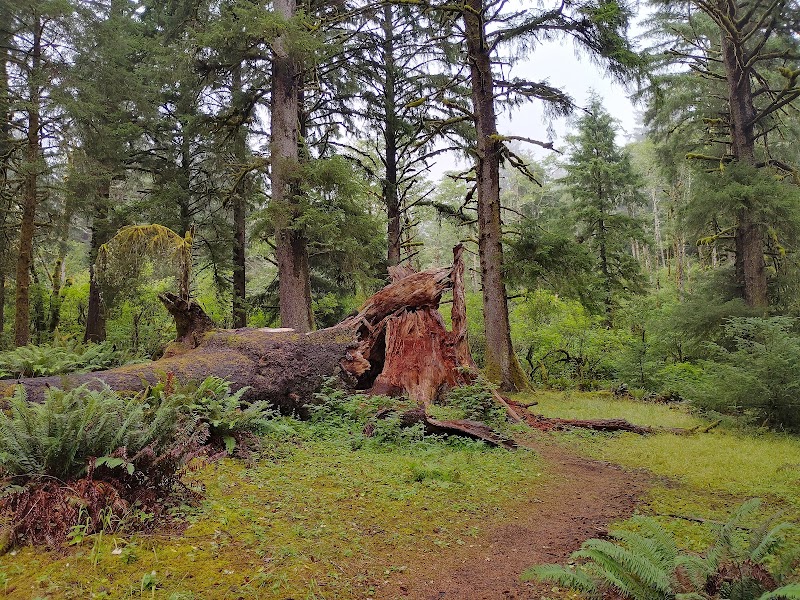
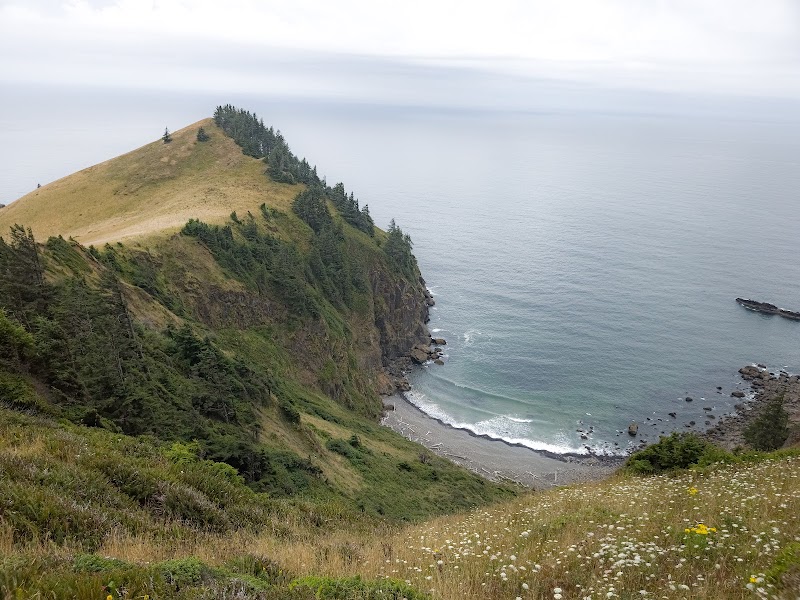
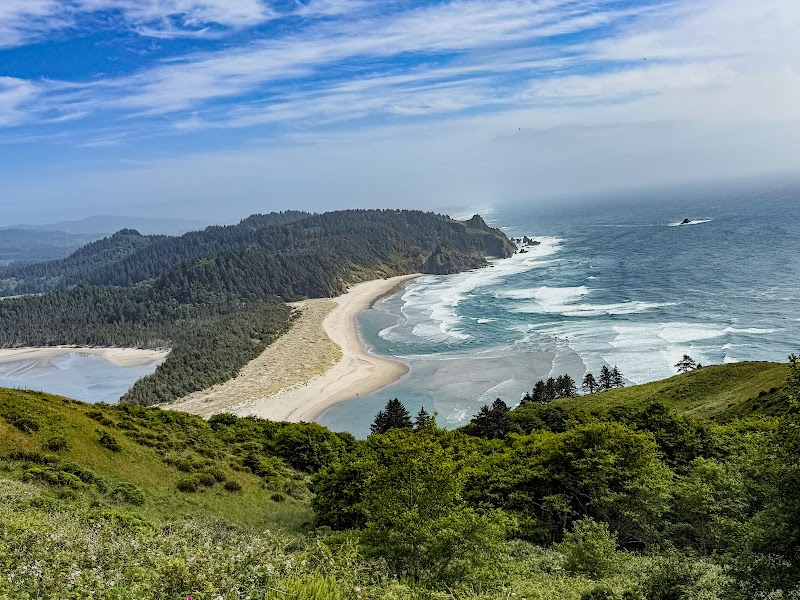
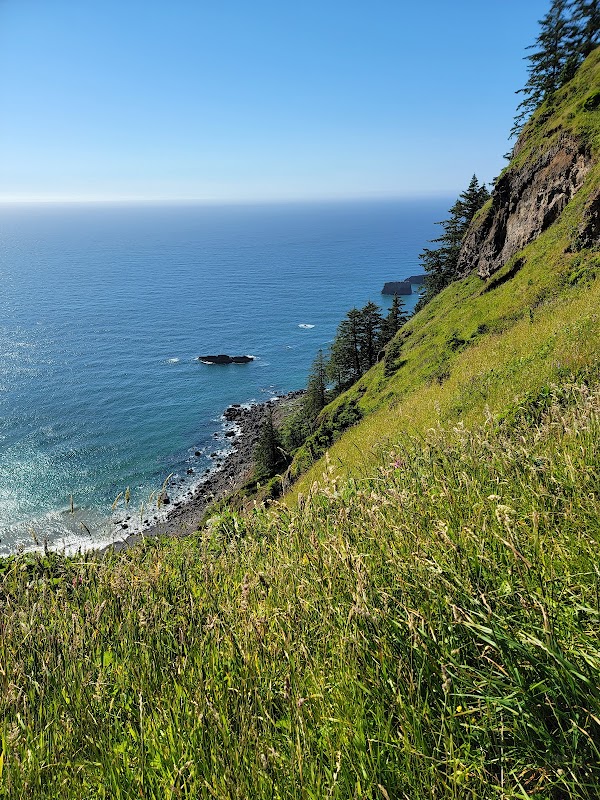
Cascade Head Preserve, located near Otis, Oregon, offers an unforgettable blend of steep coastal cliffs, lush forests, and expansive ocean views along the central Oregon coast. This natural preserve stands out for its dramatic topography where dense old-growth Sitka spruce forests give way to open coastal prairies that overlook the vast Pacific Ocean. Hikers at the Upper Trailhead find themselves winding through shady, moss-draped trees before bursting onto sunny prairie slopes that reveal breathtaking panoramas of shoreline, estuary, and rugged cliffs.
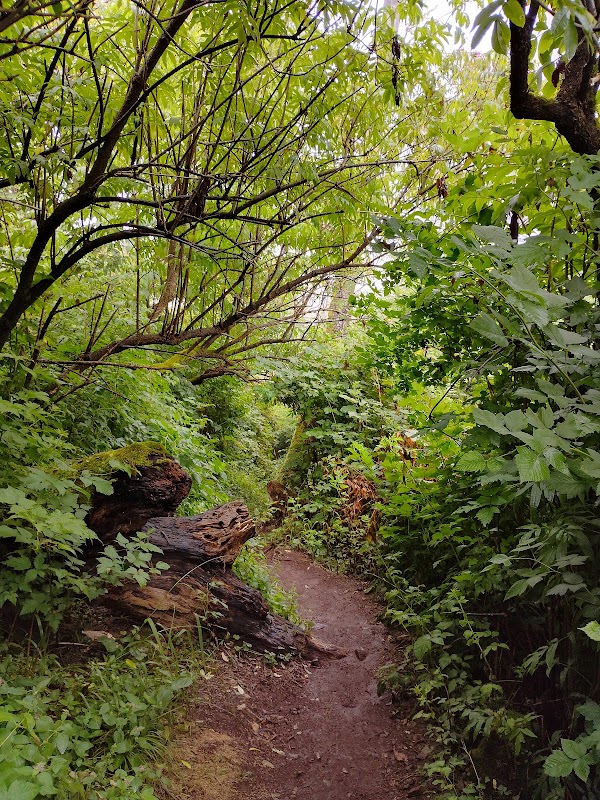
The area's unique geography includes towering headlands rising around 1,200 feet above sea level, with mesmerizing views of the Salmon River estuary below. These headlands are part of a rare ecological region, blending temperate rainforest with coastal grasslands, home to diverse wildlife such as Roosevelt elk and various bird species. The trail itself traverses wooden footbridges, natural creeks, and forested pathways, offering both challenge and serenity.
Cascade Head Preserve is also linked to notable restoration efforts, including the Salmon Creek estuary project, which has helped revive vital habitats. The combination of rich flora, geological elevation, and conservation history makes this preserve an outstanding destination for outdoor enthusiasts seeking pristine, wild coastal beauty without the crowds. The Upper Trailhead serves as a gateway to a moderate yet highly rewarding hike that presents some of the Oregon coast's most iconic natural scenes.
Adventure Guide
Adventure Guide To Cascade Head Preserve - Upper Trailhead
1. Hiking the Upper Trail to Coastal Viewpoints
- What makes it special: A 2.5-mile round trip with an elevation gain of roughly 1,200 feet leads hikers through shaded Sitka spruce forest to sun-drenched coastal prairies with expansive views of the Pacific Ocean and the Salmon River estuary.
- Key features: Well-maintained wooden footbridges, steep hillsides with prairie wildflowers, elk sightings, and panoramic ocean vistas.
- Local insights: The trail is popular but preserves a sense of wilderness. Summer and early fall offer the driest, clearest conditions.
- Visitor tips: Arrive early to avoid crowds and bring layered clothing for changing temperatures from forest shade to open ridges.
2. Wildlife Viewing & Nature Photography
- What makes it special: The preserve hosts Roosevelt elk, coastal birds, and diverse plant life in a unique coastal ecosystem.
- Key features: Quiet observation points along the trail; ideal spots for birdwatching and capturing wildlife photos.
- Local insights: The best time for wildlife activity is early morning or late afternoon.
- Visitor tips: Use binoculars and a telephoto lens; bring insect repellent and stay on marked trails to protect habitats.
3. Estuary Visit and River Ecology Near Cascade Head
- What makes it special: A short drive to nearby Salmon River estuary shows restored tidal wetlands, critical for local fish and bird populations.
- Key features: Educational signage about restoration work and habitat importance.
- Local insights: The estuary represents successful conservation work, highlighting the region's commitment to preserving natural resources.
- Visitor tips: Combine with a hike for a full-day nature experience; wear waterproof boots if exploring tidal zones.
Getting There
- Directions: From Lincoln City, take Hwy 101 north to the junction with State Highway 18. Follow Three Rocks Road to Cascade Head Preserve Upper Trailhead—approximately a 20-minute drive.
- Best times to visit: Late spring through early fall for dry weather and vibrant flora.
- What to bring: Hiking boots, water, sunscreen, layered clothing, and a camera.
Visitor Tips
- Best Times:Late Spring through Early Fall for favorable conditions and optimal lighting.
- What to Bring:Plenty of water, sun protection, a camera, and respectful Leave-No-Trace mindset.