About this landmark
Annapurna Trekking: Himalayan Adventure Near Kathmandu
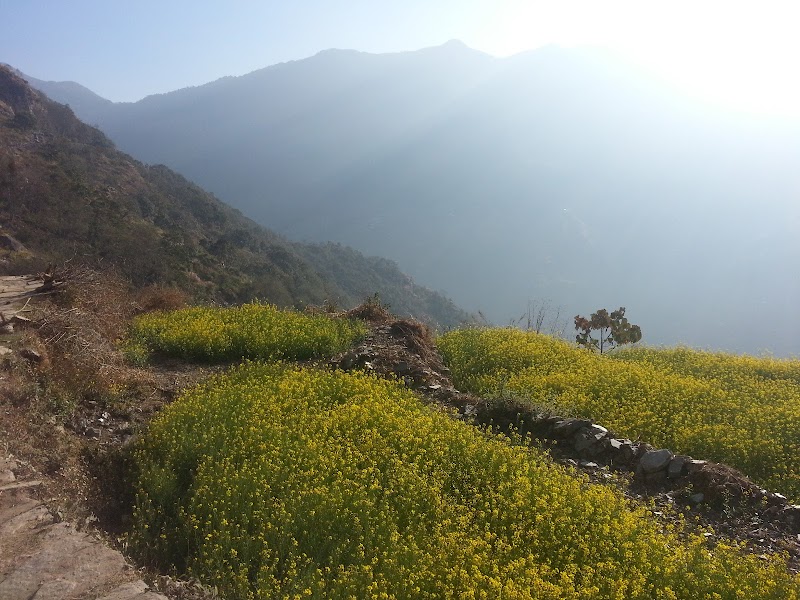
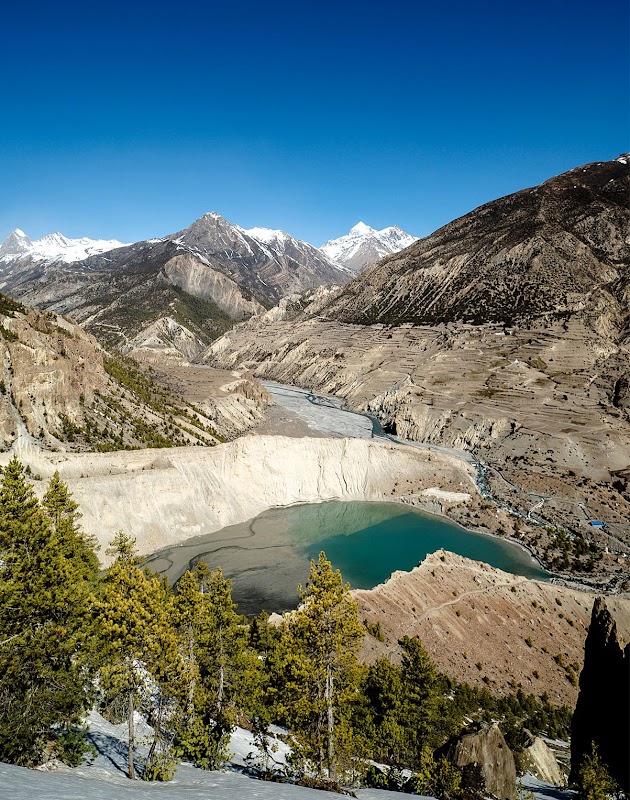
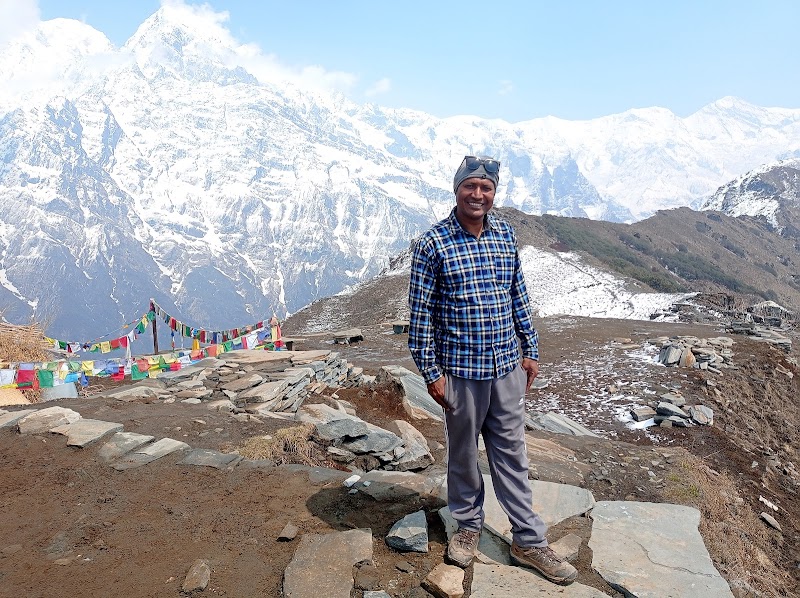
Annapurna Trekking is one of Nepal’s most celebrated outdoor adventures, located within a few hours' journey from Kathmandu in the Annapurna Massif of the Himalayas. This route runs through spectacular landscapes that combine towering snow-capped peaks, deep valleys, lush subtropical forests, and terraced farmlands. The Annapurna Range includes some of the world’s highest mountains, like Annapurna I, and diverse geological features such as alpine ridges and glacial formations.
Trekking here offers unparalleled mountain panoramas, with views of Annapurna, Dhaulagiri, and Machapuchare peaks. The trail crosses varying terrain—from rhododendron forests blooming in vibrant colors during spring, to high-altitude deserts with sparse vegetation. Along the way, trekkers encounter villages rich in Gurung and Magar cultural heritage, where traditional stone houses and ancient monasteries provide a fascinating glimpse into Himalayan life.
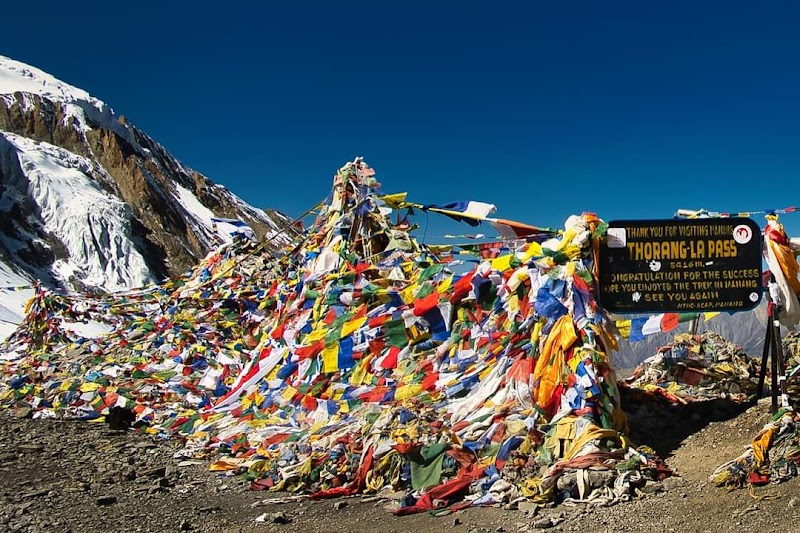
The Annapurna Conservation Area, the first protected region in Nepal, ensures preservation of varied flora and fauna, including elusive species like the snow leopard and red panda. This ecosystem diversity adds to the trek’s appeal besides the physical challenge of high passes such as Thorong La.
Historically, this route has been a vital trade path for centuries, linking the lowlands to Tibetan plateaus. Its establishment as a trekking destination in the mid-20th century brought global recognition to Nepal as a trekking hotspot.
This trek is ideal for outdoor lovers seeking a blend of strenuous activity, cultural exposure, and natural splendor within a manageable timeframe. The area’s natural beauty, cultural richness, and mountain majesty together create a truly unique trekking experience.
Adventure Guide
Adventure Guide To Annapurna Trekking
1. Annapurna Circuit Trek:
- What makes it special: Offers a comprehensive Himalayan trekking experience, covering diverse ecological zones, villages, and high mountain passes like Thorong La (5,416m).
- Key features: Well-marked trails, local teahouses for accommodation, and panoramic views of major peaks.
- Local insights: The trek involves acclimatization days; local guides enrich the journey with knowledge about mountain ecology and ethnic traditions.
- Visitor tips: Best visited from March to May or September to November; carry layered clothing, trekking poles, and a reliable map.
2. Annapurna Base Camp (ABC) Trek:
- What makes it special: A relatively shorter trek leading to the base camp of Annapurna South, showcasing close-up mountain views.
- Key features: Scenic rhododendron forests, hot springs enclosure at Jhinu Danda, and well-maintained trails with lodging.
- Local insights: Villages on the route provide authentic Nepali food and cultural interactions.
- Visitor tips: Spring is ideal for blooming flora; bring sun protection and hydration gear.
3. Poon Hill Sunrise Hike:
- What makes it special: A short, accessible hike offering one of the most iconic Himalayan sunrise views.
- Key features: 360-degree panoramic vistas of Annapurna and Dhaulagiri ranges.
- Local insights: Popular spot for photographers and nature lovers.
- Visitor tips: Start very early to catch sunrise; dress warmly for cold mornings.
Getting There: From Kathmandu, take a 6-8 hour drive or domestic flight to Pokhara, the gateway town. Pokhara provides transport options and gear rentals.
Packing Essentials
- Layered clothing, good hiking boots, trekking poles
- Sunscreen, hat, water purifier
- First aid and altitude sickness medication
Best Seasons
Spring (March-May) and autumn (September-November) offer the most stable weather and clear views.
Visitor Tips
- Best Times:Spring and Fall for favorable conditions and optimal lighting.
- What to Bring:Plenty of water, sun protection, a camera, and respectful Leave-No-Trace mindset.