About this landmark
Gateway to the Roof of the World: Everest Camp II
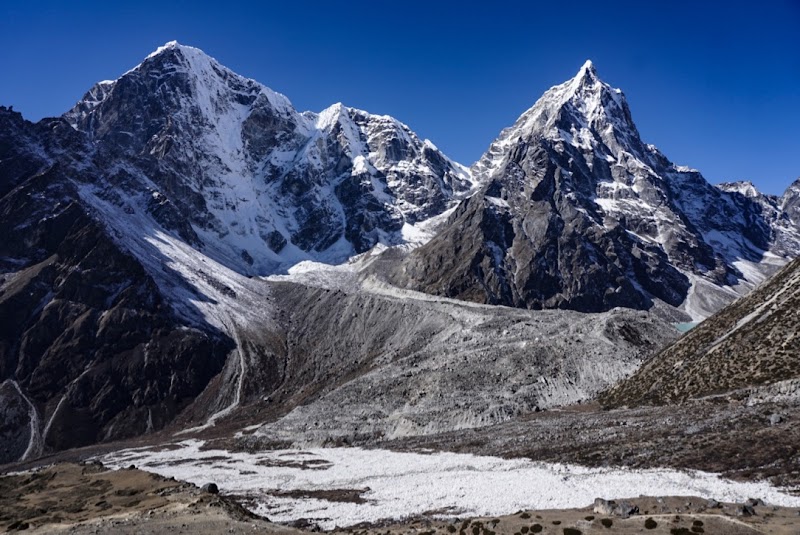
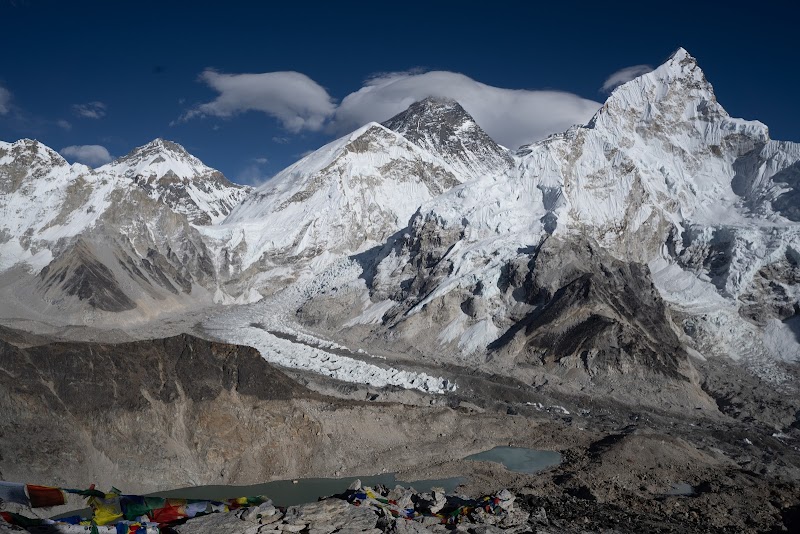
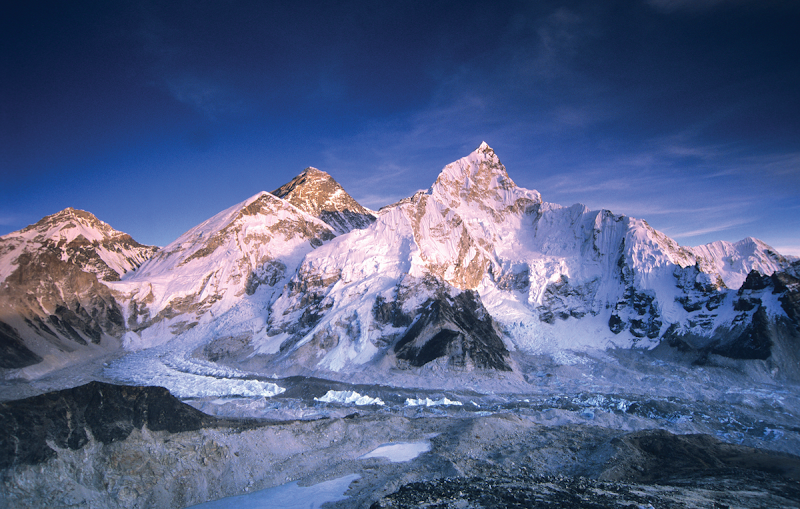
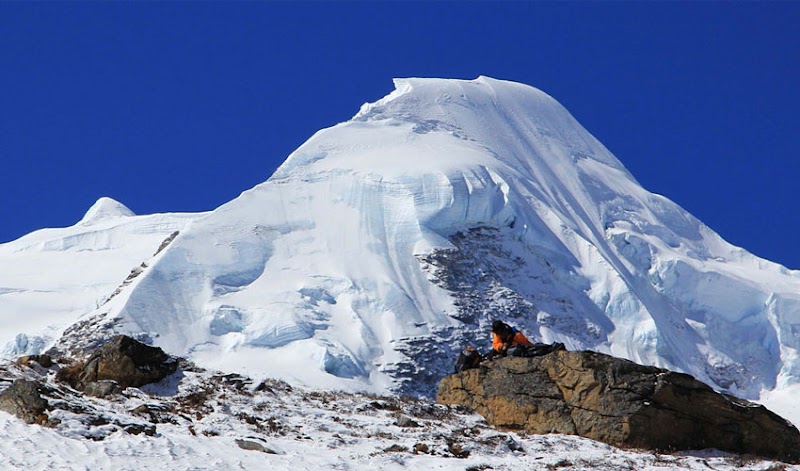
Located in the Khumbu region of Nepal, Everest Camp II offers adventure seekers an unfiltered experience of the majestic Himalayas. set at an altitude of approximately 6,400 meters (21,000 feet), this pivotal camp lies along the southern face of Mount Everest. A significant stop for climbers on their journey to the summit, it is surrounded by iconic peaks such as Lhotse and Nuptse.
Camp II is more than just a campsite—it's a breathtaking desk to the extreme conditions and ethereal beauty of the higher Himalayas. The camp sits on the Western Cwm, a glacial valley flanked by towering ice cliffs and seracs, which create a surreal backdrop for climbers.
Besides the stunning visuals of snow-capped mountains, the camp is a vital part of Everest’s climbing history. It's a place where climbers rest, acclimatize, and prepare for the challenges ahead. Visitors can appreciate the peculiar flora and fauna adapted to such high altitudes, from hardy mosses to elusive snow leopards.
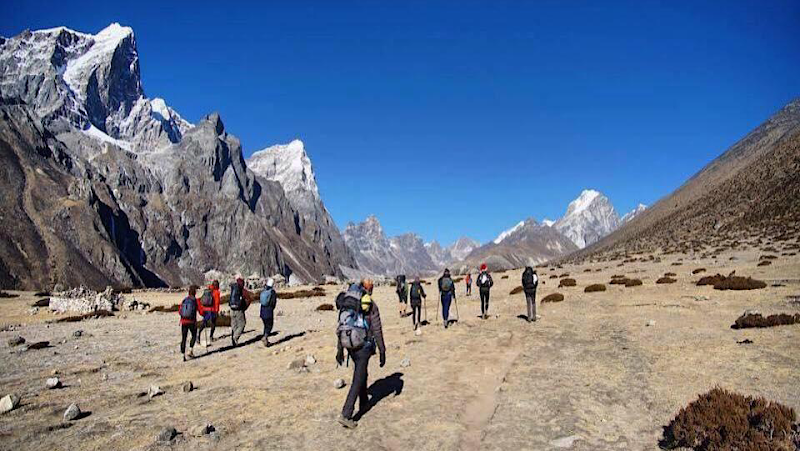
This high-altitude perch is an unparalleled highlight for those trekking the Everest Base Camp route, drawing thrill-seekers from around the globe. Offering an unforgettable glimpse into the world's mightiest mountain range, Everest Camp II isn’t just a location; it's an immersive encounter with natural grandeur.
Adventure Guide
Adventure Guide to Everest Camp II
1. Trek to Everest Base Camp
- Special Features: The route to Everest Base Camp is famous for its dramatic scenery and cultural richness, passing through Namche Bazaar, monasteries, and Sherpa villages.
- Local Insights: The trail is a cultural journey as well, offering interaction with the Sherpas and glimpses of their daily lives.
- Visitor Tips:
- Best Times: Visiting from March to May or September to November avoids the harshest weather.
- Essentials: Sturdy boots, warm layers, and a map.
- Directions: Begin the trek from Lukla Airport, a 30-minute flight from Kathmandu.
2. Climbing Preparations and Acclimatization
- Special Features: Spend time at Camp II to acclimate; this is critical for successful summiting of Everest.
- Local Insights: Understand the nuances of altitude sickness and acclimatization in these extreme environments.
- Visitor Tips:
- Monitor your health vigilantly.
- Work closely with experienced guides.
3. Photography and Sightseeing
- Special Features: Capture vistas of the Lhotse, Nuptse, and the Western Cwm itself.
- Visitor Tips: Bring high-altitude-capable photography equipment to navigate through challenging weather conditions.
Visitor Tips
- Best Times:Spring and Fall for favorable conditions and optimal lighting.
- What to Bring:Plenty of water, sun protection, a camera, and respectful Leave-No-Trace mindset.