About this landmark
Located off the coast of Antarctica's Ross Island, McMurdo Sound is a captivating gateway to the icy wilderness of the continent. This stunning natural landmark is renowned for its spectacular marine life, including seals, penguins, and the occasional visiting whale, making it a hotspot for wildlife enthusiasts. The area is characterized by its dramatic ice formations and expansive frozen waters, offering a surreal landscape often bathed in the ethereal glow of the Antarctic light. Historically, McMurdo Sound served as a critical launching point for early Antarctic explorers and continues to be a key station for scientific research today. Its unique geographical position facilitates the convergence of diverse ecosystems, providing a rare glimpse into one of Earth's most remote natural environments.
Adventure Guide
Adventure Guide to McMurdo Sound
-
Penguin Watching at Cape Royds
- Specialty: This location invites visitors to observe the Adélie penguin colonies in their natural habitat.
- Features: Guided tours explain the life and behavior of these charming creatures.
- Local Insights: Cape Royds is also home to one of the historic huts from Shackleton's expedition.
- Visitor Tips: Best visited in the Antarctic summer (November to February). Wear insulating layers and waterproof boots.
-
Ice Climbing at Observation Hill
- Specialty: Offers thrilling ice climbing with breathtaking views of the surrounding icy expanse.
- Features: Dedicated trails and expert-led climbs are available for both novices and seasoned climbers.
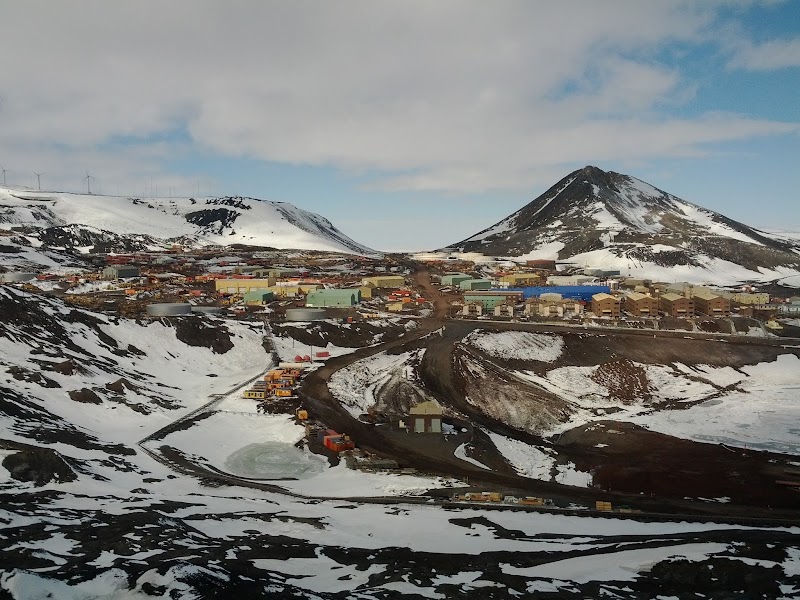
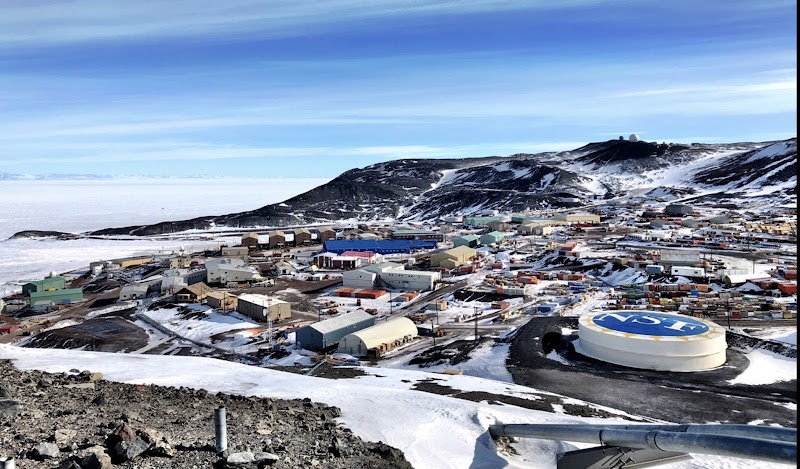
- Local Insights: Observation Hill provides a perfect vantage point to observe the layout of McMurdo Station.
- Visitor Tips: Stay informed on weather forecasts and ensure all climbing gear is properly fitted.
-
Research Tours of McMurdo Station
- Specialty: Discover the scientific endeavors conducted at one of the world's leading Antarctic research stations.
- Features: Engage with researchers and explore the facilities that support climatic and ecological studies.
- Local Insights: The station has contributed significantly to our understanding of Earth's climate systems.
- Visitor Tips: Arrange tours in advance as access is limited, and bring identification for security clearance.
Visitor Tips
- Best Times:Antarctic Summer for favorable conditions and optimal lighting.
- What to Bring:Plenty of water, sun protection, a camera, and respectful Leave-No-Trace mindset.