THE ADVENTURE COLLECTIVE® · Independent discovery and booking for outdoor travel

Cross a wooden bridge into a pine‑ringed island to visit a 13th‑century Byzantine monastery and bird‑rich lagoon habitats. This short guided walk blends cultural history with close‑up nature viewing on Narta Lagoon.
Cross a wooden bridge into a pine‑ringed island to visit a 13th‑century Byzantine monastery and bird‑rich lagoon habitats. This short guided walk blends cultural history with close‑up nature viewing on Narta Lagoon.
A low wooden bridge arcs over glassy lagoon water as the guide signals the group to cross. Pine needles rattle; reeds lean in like an audience. On Zvernec Island, the air smells faintly of salt and resin, and the 13th‑century Church of St. Mary waits under a ring of pines — quiet, stone‑faced, and oddly alive.
Verified experiences and guided adventures in the surrounding area.
Operated by Trips Albania · Zvernec, Vlorë County
A low wooden bridge arcs over glassy lagoon water as the guide signals the group to cross. Pine needles rattle; reeds lean in like an audience. On Zvernec Island, the air smells faintly of salt and resin, and the 13th‑century Church of St. Mary waits under a ring of pines — quiet, stone‑faced, and oddly alive.
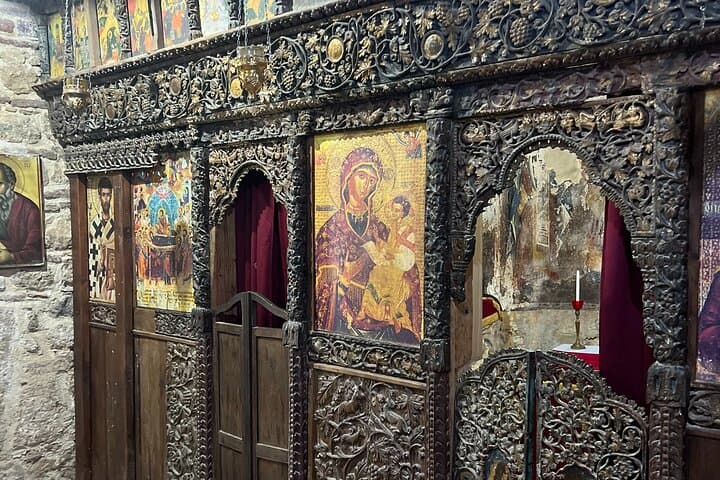
The island sits within Narta Lagoon, a shallow coastal wetland shaped by marine and fluvial deposits over millennia. The monastery reflects Byzantine construction techniques common to medieval Albania, its small chapel a record of the region’s Orthodox heritage and the shifting cultural tides around Vlore. Today the lagoon functions as a protected stopover for migratory birds, its saline flats and marsh channels supporting flamingos, herons and small fish that draw local fishers in summer.
On the guided walk visitors move at a deliberate pace: the bridge crossing, a 45‑minute look around the monastery and time in shaded pine paths focused on ecology and local stories. Expect compact, uneven wooden walkways, soft forest soil and open lagoon viewpoints; binoculars reward patient watchers. The short tour balances interpretation with time for photos and quiet reflection, ending where it began with a chance to ask the guide about conservation and local life.
Practical guidance: arrive with sturdy shoes, a light wind layer and water; the site is exposed to sun and sudden coastal breezes. Photography is welcome; respect the chapel’s quiet and follow marked paths to protect nesting birds. Morning visits bring softer light and calmer water; late afternoon heightens bird activity.
easy.
2–2.5 hours.
Basic walking fitness with ability to stand and walk on uneven surfaces for up to 2.5 hours.
The guided experience lasts about 2 to 2.5 hours (150 minutes total), including transfers on foot across the bridge and time at the monastery.
Yes — visitors may enter and photograph the small church respectfully during the guided visit; follow the guide’s instructions inside the chapel.
Yes — the tour includes lagoon viewing and shaded paths where guides point out seasonal species such as flamingos and herons.
The tour is rated easy and suitable for most ages, but the bridge and some paths are uneven; people with limited mobility should inquire about accessibility when booking.
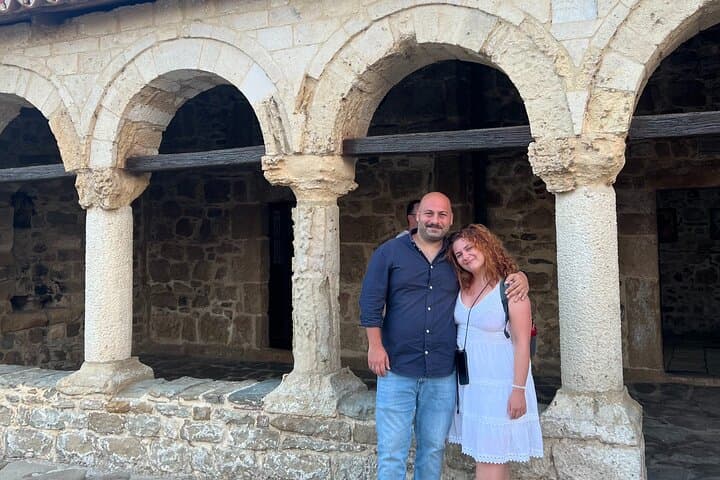
The Church of St. Mary on Zvernec Island dates to the 13th century and showcases regional Byzantine ecclesiastical architecture tied to Vlore’s medieval past.
Narta Lagoon is a protected wetland; stay on marked paths, avoid disturbing wildlife and follow guide instructions to minimize impact.
Trips Albania operates guided outdoor trips and adventures with an emphasis on safety, stewardship, and memorable experiences.
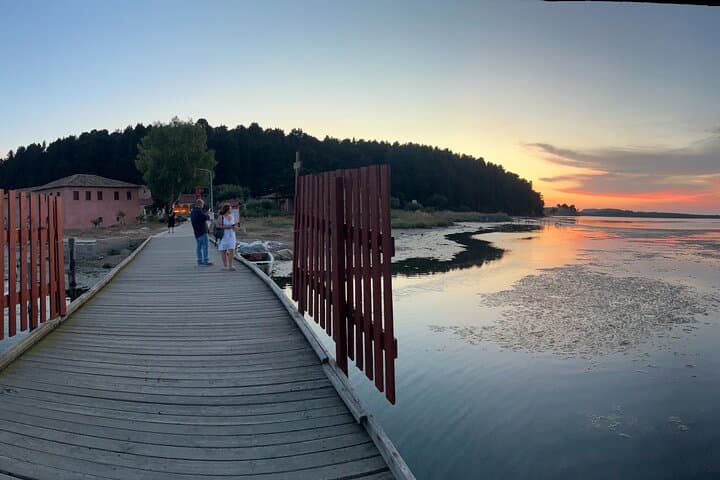
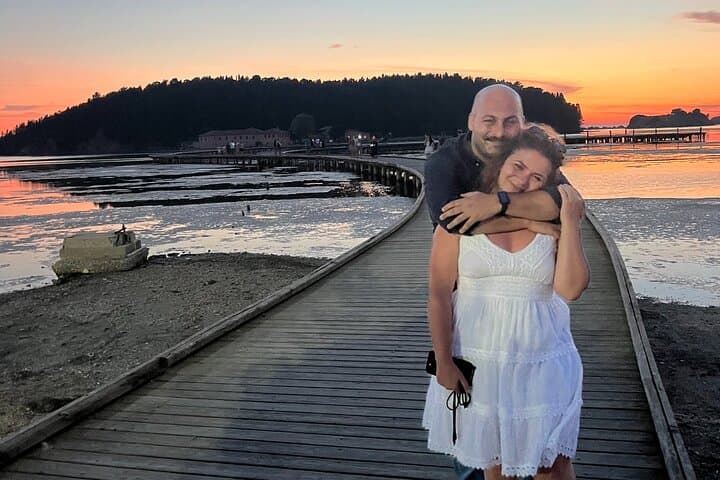
A low wooden bridge arcs over glassy lagoon water as the guide signals the group to cross. Pine needles rattle; reeds lean in like an audience. On Zvernec Island, the air smells faintly of salt and resin, and the 13th‑century Church of St. Mary waits under a ring of pines — quiet, stone‑faced, and oddly alive.
A low wooden bridge arcs over glassy lagoon water as the guide signals the group to cross. Pine needles rattle; reeds lean in like an audience. On Zvernec Island, the air smells faintly of salt and resin, and the 13th‑century Church of St. Mary waits under a ring of pines — quiet, stone‑faced, and oddly alive.
The island sits within Narta Lagoon, a shallow coastal wetland shaped by marine and fluvial deposits over millennia. The monastery reflects Byzantine construction techniques common to medieval Albania, its small chapel a record of the region’s Orthodox heritage and the shifting cultural tides around Vlore. Today the lagoon functions as a protected stopover for migratory birds, its saline flats and marsh channels supporting flamingos, herons and small fish that draw local fishers in summer.
On the guided walk visitors move at a deliberate pace: the bridge crossing, a 45‑minute look around the monastery and time in shaded pine paths focused on ecology and local stories. Expect compact, uneven wooden walkways, soft forest soil and open lagoon viewpoints; binoculars reward patient watchers. The short tour balances interpretation with time for photos and quiet reflection, ending where it began with a chance to ask the guide about conservation and local life.
Practical guidance: arrive with sturdy shoes, a light wind layer and water; the site is exposed to sun and sudden coastal breezes. Photography is welcome; respect the chapel’s quiet and follow marked paths to protect nesting birds. Morning visits bring softer light and calmer water; late afternoon heightens bird activity.