THE ADVENTURE COLLECTIVE® · Independent discovery and booking for outdoor travel

Walk Zurich’s old town and skyline in a focused two-hour small-group tour that hits the Polybahn terrace, Lindenhof, Bahnhofstrasse and lakeside views. Expect history, art highlights and practical tips for making the most of the city’s panoramas.
Walk Zurich’s old town and skyline in a focused two-hour small-group tour that hits the Polybahn terrace, Lindenhof, Bahnhofstrasse and lakeside views. Expect history, art highlights and practical tips for making the most of the city’s panoramas.
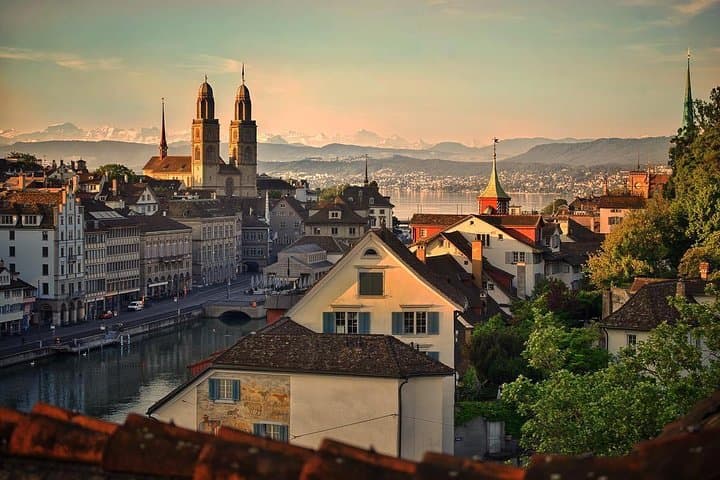
You step out onto Limmatquai and the river seems to dare you forward, its current reflecting the city’s layered history. In two hours a small-group guide threads you through narrow lanes, across stone bridges and up the Polybahn to a terrace that opens a clean view of rooftops, spires and the sweep of Lake Zurich.
Verified experiences and guided adventures in the surrounding area.
Operated by WOW ZURICH TOURS · Zurich, Zurich
You step out onto Limmatquai and the river seems to dare you forward, its current reflecting the city’s layered history. In two hours a small-group guide threads you through narrow lanes, across stone bridges and up the Polybahn to a terrace that opens a clean view of rooftops, spires and the sweep of Lake Zurich.
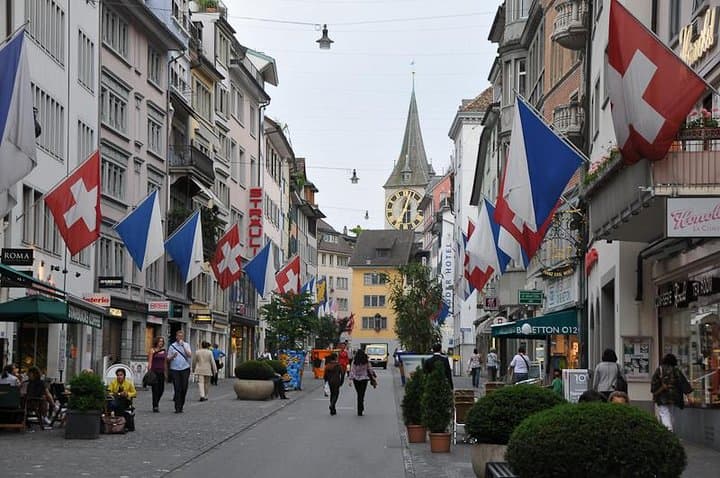
Zurich’s story is readable in stone and glass: Lindenhof’s Roman footprint, Grossmünster’s twin towers from medieval reformations, Fraumünster’s Chagall windows and St. Peter’s oversized clock face — the largest in Europe — all sit within easy walking distance. Geologically, the lake and the Limmat valley are legacy features of glacial carving, giving the city its long, sheltered waterfront and gentle slopes that make for panoramic vistas.
Culturally the tour touches Zurich’s role as a banking hub and an academic center — ETH and the University, where Nobel laureates lectured — and even quieter corners where guild-era facades and modern cafes intersect. Local guides often point out the Lenin apartment and the spots where artists left their mark.
Practical guidance: the tour is two hours, comfortable for most walkers but expect cobbles and short flights of steps. The Polybahn funicular ride is three minutes and included; wear sturdy shoes and layer clothing — Swiss weather shifts fast. Bring a refillable bottle (Zurich has excellent tap water), a small umbrella for sudden showers and a fully charged camera; the best light for photos is morning or late afternoon. Public transport links to the meeting point are frequent; punctuality is appreciated.
easy.
2 hours.
Suitable for most fitness levels; requires steady walking for about 90–120 minutes and negotiating cobbles and short stairways.
Depending on season the guide meets at Hotel LIMMATHOF on Limmatquai or the Landesmuseum; check your confirmation for the correct meeting place and arrive 10–15 minutes early.
The route is stroller-accessible in many parts, but cobbles and stairs may require folding a stroller briefly; contact the operator for specifics if traveling with infants.
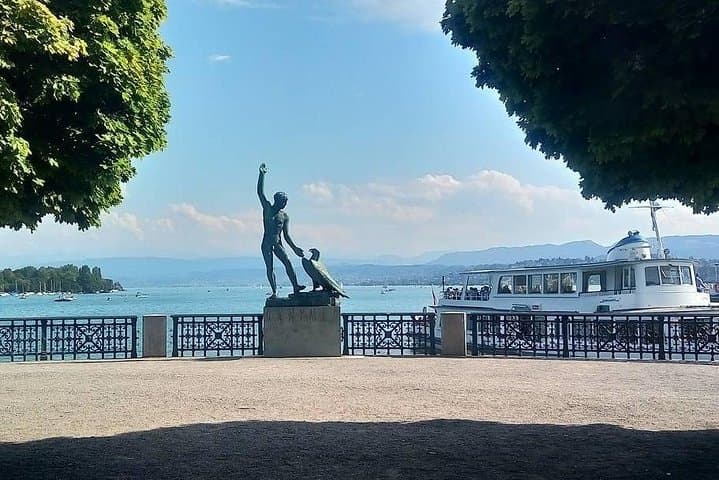
Yes — the tour ends at Bürkliplatz where you can book a short 90-minute cruise; tickets are separate and often available on the pier.
Tours are guided in the listed language (check booking); small groups generally don’t require headsets, but the guide ensures everyone can hear and ask questions.
Lindenhof sits on a Roman-era hill and was later a medieval stronghold; Zurich’s Paradeplatz grew into a banking center that shaped its modern identity.
Lake Zurich’s water quality has improved through decades of treatment and urban planning; visitors are encouraged to use public transport and avoid littering to protect waterways and urban green spaces.
WOW ZURICH TOURS operates guided outdoor trips and adventures with an emphasis on safety, stewardship, and memorable experiences.
You step out onto Limmatquai and the river seems to dare you forward, its current reflecting the city’s layered history. In two hours a small-group guide threads you through narrow lanes, across stone bridges and up the Polybahn to a terrace that opens a clean view of rooftops, spires and the sweep of Lake Zurich.
You step out onto Limmatquai and the river seems to dare you forward, its current reflecting the city’s layered history. In two hours a small-group guide threads you through narrow lanes, across stone bridges and up the Polybahn to a terrace that opens a clean view of rooftops, spires and the sweep of Lake Zurich.
Zurich’s story is readable in stone and glass: Lindenhof’s Roman footprint, Grossmünster’s twin towers from medieval reformations, Fraumünster’s Chagall windows and St. Peter’s oversized clock face — the largest in Europe — all sit within easy walking distance. Geologically, the lake and the Limmat valley are legacy features of glacial carving, giving the city its long, sheltered waterfront and gentle slopes that make for panoramic vistas.
Culturally the tour touches Zurich’s role as a banking hub and an academic center — ETH and the University, where Nobel laureates lectured — and even quieter corners where guild-era facades and modern cafes intersect. Local guides often point out the Lenin apartment and the spots where artists left their mark.
Practical guidance: the tour is two hours, comfortable for most walkers but expect cobbles and short flights of steps. The Polybahn funicular ride is three minutes and included; wear sturdy shoes and layer clothing — Swiss weather shifts fast. Bring a refillable bottle (Zurich has excellent tap water), a small umbrella for sudden showers and a fully charged camera; the best light for photos is morning or late afternoon. Public transport links to the meeting point are frequent; punctuality is appreciated.