THE ADVENTURE COLLECTIVE® · Independent discovery and booking for outdoor travel

Leave Zurich before breakfast and cross four countries in one day: Germany’s Lake Constance, Austria’s Feldkirch, Liechtenstein’s Vaduz and Swiss Rapperswil. This private, full-day tour blends quick cultural stops, dramatic lake views and a compact taste of central Europe’s borderlands.
Leave Zurich before breakfast and cross four countries in one day: Germany’s Lake Constance, Austria’s Feldkirch, Liechtenstein’s Vaduz and Swiss Rapperswil. This private, full-day tour blends quick cultural stops, dramatic lake views and a compact taste of central Europe’s borderlands.
You step onto an air-conditioned minibus in Zurich at dawn and the city slips away as Alpine foothills sweep in. Windows frame villages, mirror-like lakes and castle-crowned hills; in ten hours the borders pass almost unnoticed and each country offers a new rhythm — German lakeside calm, Austrian market-town stone, Liechtenstein’s hilltop castle and Swiss lakeside charm.
Verified experiences and guided adventures in the surrounding area.
Operated by Talwar Travels · Zurich, Canton of Zurich
You step onto an air-conditioned minibus in Zurich at dawn and the city slips away as Alpine foothills sweep in. Windows frame villages, mirror-like lakes and castle-crowned hills; in ten hours the borders pass almost unnoticed and each country offers a new rhythm — German lakeside calm, Austrian market-town stone, Liechtenstein’s hilltop castle and Swiss lakeside charm.
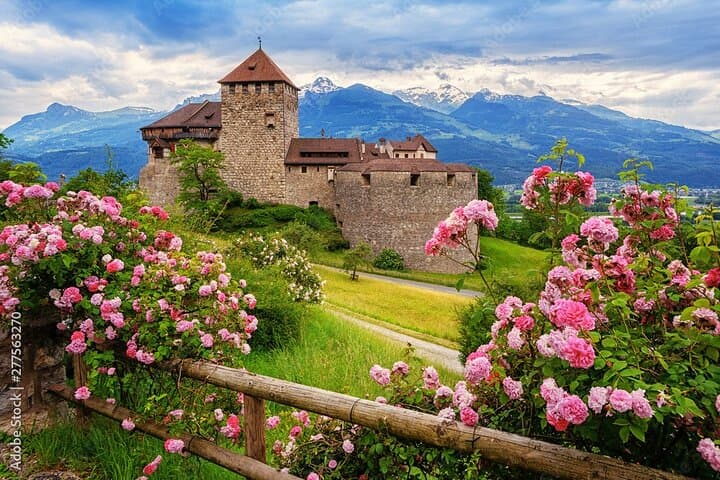
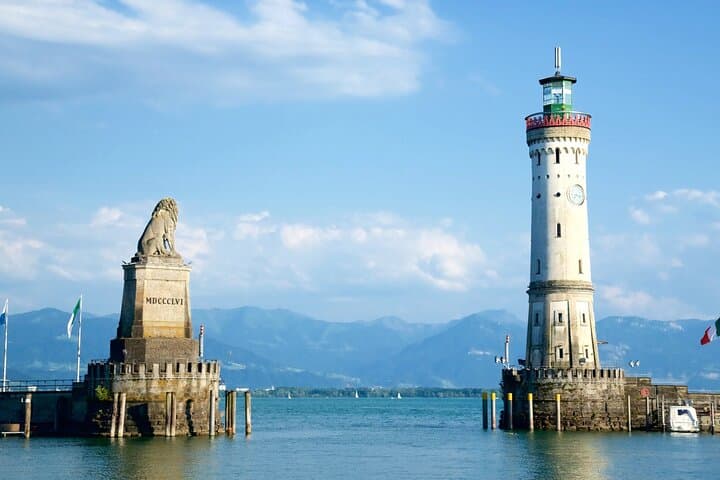
This route threads historic trade corridors around Lake Constance and the Walensee. Lindau’s harbor combines 19th-century promenades with Bavarian architecture; Feldkirch, near Austria’s western edge, keeps a medieval core centered on Schattenburg Castle. Vaduz, capital of the Principality of Liechtenstein, perches below its 12th-century fortress with views back toward the Rätikon range. Rapperswil returns you to Switzerland with cobbled streets and the famous rose garden beside Lake Zurich.
Expect short, guided stops rather than deep exploration — the itinerary favors breadth over time in each place. Geology shifts quickly: glacially carved lakes, limestone ridges and moraine-fed valleys explain the sudden shifts in scenery. Cultural notes: German-speaking regions share language but vary in culinary style and local pace; small states like Liechtenstein prize traditions and princely heritage.
Practical guidance: bring a passport, comfortable walking shoes and a small daypack. Plan for 10–11 hours on the road with multiple 20–120 minute stops; snacks or a light lunch in local cafés are typical. If you prefer longer time at any one site, request a private itinerary tweak when booking. Early starts and traveling midweek avoid crowds; carry water and layered clothing for sudden mountain breezes.
easy.
10–11 hours.
Suitable for most fitness levels; expect multiple short walks and standing during viewpoints.
The tour runs about 10–11 hours and typically departs from Zurich with air-conditioned private transport and onboard Wi‑Fi.
Meals are not included; the itinerary allows time for a café or light lunch in towns like Feldkirch or Vaduz.
Vaduz offers a tourist passport stamp often available at tourist offices or gift shops, but it’s informal—keep your passport with you.
Yes—infant seats and stroller access are available, but expect short walks and some uphill sections to viewpoints.
These borderlands grew from medieval trade routes and fortified towns; Vaduz’s castle and Feldkirch’s Schattenburg reflect centuries of local governance and cross-border commerce.
Cross-border lakes and mountain habitats rely on cooperative management—stay on marked paths, avoid feeding wildlife and minimize waste to protect fragile shorelines.
Talwar Travels operates guided outdoor trips and adventures with an emphasis on safety, stewardship, and memorable experiences.

You step onto an air-conditioned minibus in Zurich at dawn and the city slips away as Alpine foothills sweep in. Windows frame villages, mirror-like lakes and castle-crowned hills; in ten hours the borders pass almost unnoticed and each country offers a new rhythm — German lakeside calm, Austrian market-town stone, Liechtenstein’s hilltop castle and Swiss lakeside charm.
You step onto an air-conditioned minibus in Zurich at dawn and the city slips away as Alpine foothills sweep in. Windows frame villages, mirror-like lakes and castle-crowned hills; in ten hours the borders pass almost unnoticed and each country offers a new rhythm — German lakeside calm, Austrian market-town stone, Liechtenstein’s hilltop castle and Swiss lakeside charm.
This route threads historic trade corridors around Lake Constance and the Walensee. Lindau’s harbor combines 19th-century promenades with Bavarian architecture; Feldkirch, near Austria’s western edge, keeps a medieval core centered on Schattenburg Castle. Vaduz, capital of the Principality of Liechtenstein, perches below its 12th-century fortress with views back toward the Rätikon range. Rapperswil returns you to Switzerland with cobbled streets and the famous rose garden beside Lake Zurich.
Expect short, guided stops rather than deep exploration — the itinerary favors breadth over time in each place. Geology shifts quickly: glacially carved lakes, limestone ridges and moraine-fed valleys explain the sudden shifts in scenery. Cultural notes: German-speaking regions share language but vary in culinary style and local pace; small states like Liechtenstein prize traditions and princely heritage.
Practical guidance: bring a passport, comfortable walking shoes and a small daypack. Plan for 10–11 hours on the road with multiple 20–120 minute stops; snacks or a light lunch in local cafés are typical. If you prefer longer time at any one site, request a private itinerary tweak when booking. Early starts and traveling midweek avoid crowds; carry water and layered clothing for sudden mountain breezes.