THE ADVENTURE COLLECTIVE® · Independent discovery and booking for outdoor travel

Walk Zurich from Roman lanes to lakeside views: a 3.5‑hour guided route that blends history, hidden courtyards and tastings. Practical route details, what to expect, and tips for timing and gear.
Walk Zurich from Roman lanes to lakeside views: a 3.5‑hour guided route that blends history, hidden courtyards and tastings. Practical route details, what to expect, and tips for timing and gear.
You step out of Zürich Hauptbahnhof into a swirl of commuters, tram bells, and river air—the guide is waiting and the city opens like a map pressed into your palm.
Verified experiences and guided adventures in the surrounding area.
Operated by Trip for fun · Zurich, Canton of Zurich
You step out of Zürich Hauptbahnhof into a swirl of commuters, tram bells, and river air—the guide is waiting and the city opens like a map pressed into your palm.
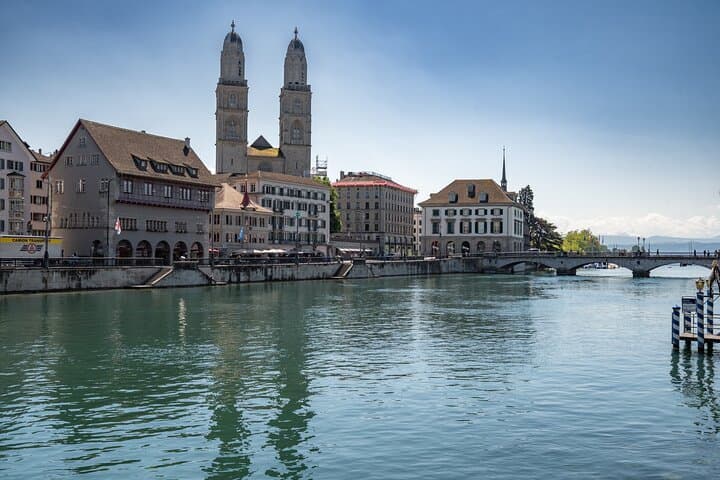
The 3.5‑hour circuit stitches Bahnhofstrasse’s polished shopfronts to the stony calm of Lindenhof, where Roman-era traces meet the broad sweep of the Limmat. Guides thread anecdotes—how Zurich grew from a Roman vicus to a global finance hub—and pop cultural beats: the Dadaists in Cabaret Voltaire, the Reformation stories at Grossmünster, and the clockface at St. Peter’s that claims Europe’s largest dial.
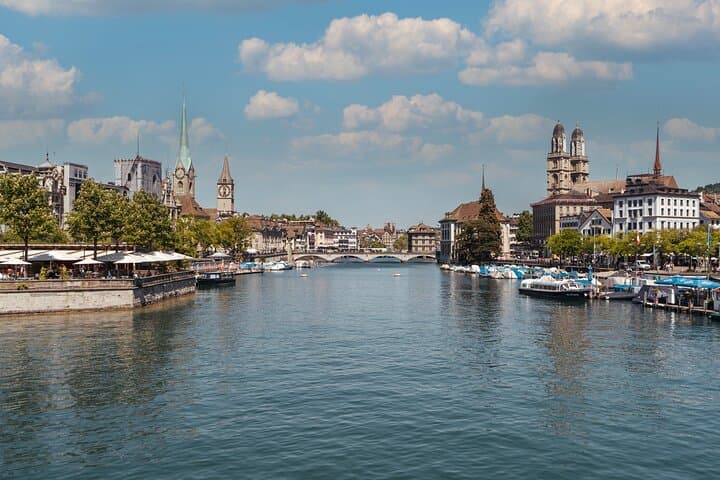
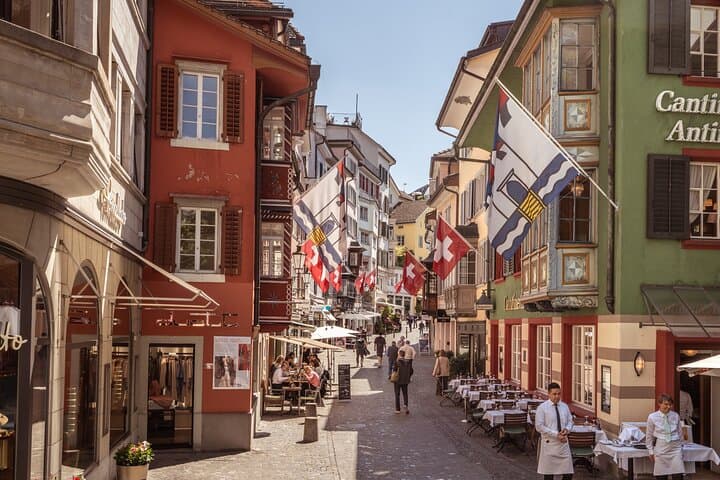
Geologically, the walk skirts glacially carved Lake Zurich and the river corridor; views toward the distant Alps give context to the city’s role as a trading crossroads. Culturally, the route balances civic monuments with neighborhood life: Niederdorf’s narrow lanes, lakeside promenades, and small courtyards where locals meet over coffee.
Practicalities fold into the experience. Expect around 4–6 km of mostly paved, flat walking with cobbles in historic squares, a few short steps and photo stops. Tastings include cheese, chocolate and a regional liqueur—bring a card or small cash for extras. Public transit is ubiquitous if you need a shortcut; the tour starts and ends a few minutes from the main station.
Wear supportive footwear and a light, weatherproof layer; Zurich weather can change quickly. Aim for a morning slot to avoid midday crowds and to catch clearer views toward the Alps. The walk is accessible to most fitness levels and gives a compact, practical primer for deeper exploration after the tour.
easy.
3.5 hours.
Suitable for most walkers with basic stamina; expect several short photo stops and steady pacing
The guide meets in front of Zurich Tourist Information at Zurich Main Train Station; the tour loops back to a central square a few minutes' walk from the station.
The tour includes small tastings such as Swiss cheese, chocolate and a regional liqueur; additional food or full meals are not included.
Much of the route is paved and flat, but historic cobbles and a few short steps may make some sections challenging—contact the operator for accessibility details.
This listing specifies an English live guide; check with the operator for other language options or private arrangements.
Zurich traces back roughly 2,000 years to a Roman settlement; later it became a center of Reformation activity and 20th‑century artistic innovation with the Dada movement.
The historic center is protected; follow local rules, avoid littering, and use public transport to reduce your footprint in the compact urban core.
Trip for fun operates guided outdoor trips and adventures with an emphasis on safety, stewardship, and memorable experiences.
You step out of Zürich Hauptbahnhof into a swirl of commuters, tram bells, and river air—the guide is waiting and the city opens like a map pressed into your palm.
You step out of Zürich Hauptbahnhof into a swirl of commuters, tram bells, and river air—the guide is waiting and the city opens like a map pressed into your palm.
The 3.5‑hour circuit stitches Bahnhofstrasse’s polished shopfronts to the stony calm of Lindenhof, where Roman-era traces meet the broad sweep of the Limmat. Guides thread anecdotes—how Zurich grew from a Roman vicus to a global finance hub—and pop cultural beats: the Dadaists in Cabaret Voltaire, the Reformation stories at Grossmünster, and the clockface at St. Peter’s that claims Europe’s largest dial.
Geologically, the walk skirts glacially carved Lake Zurich and the river corridor; views toward the distant Alps give context to the city’s role as a trading crossroads. Culturally, the route balances civic monuments with neighborhood life: Niederdorf’s narrow lanes, lakeside promenades, and small courtyards where locals meet over coffee.
Practicalities fold into the experience. Expect around 4–6 km of mostly paved, flat walking with cobbles in historic squares, a few short steps and photo stops. Tastings include cheese, chocolate and a regional liqueur—bring a card or small cash for extras. Public transit is ubiquitous if you need a shortcut; the tour starts and ends a few minutes from the main station.
Wear supportive footwear and a light, weatherproof layer; Zurich weather can change quickly. Aim for a morning slot to avoid midday crowds and to catch clearer views toward the Alps. The walk is accessible to most fitness levels and gives a compact, practical primer for deeper exploration after the tour.