THE ADVENTURE COLLECTIVE® · Independent discovery and booking for outdoor travel

A full-day ride from Munich takes you to Germany’s highest peak and the glassy shores of Eibsee. Enjoy a cogwheel train to the lake, a cable car to the summit and compact, high-alpine scenery with minimal hiking required.
A full-day ride from Munich takes you to Germany’s highest peak and the glassy shores of Eibsee. Enjoy a cogwheel train to the lake, a cable car to the summit and compact, high-alpine scenery with minimal hiking required.
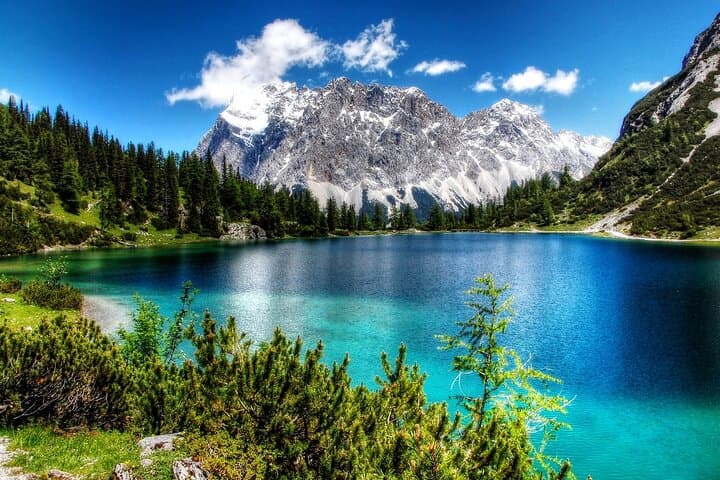
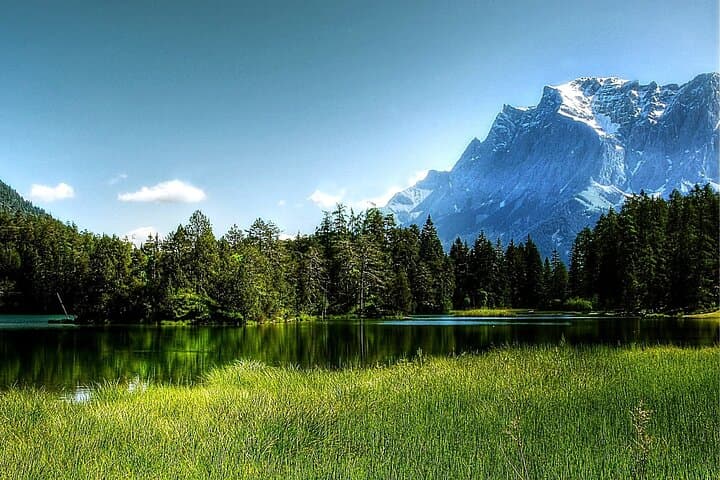
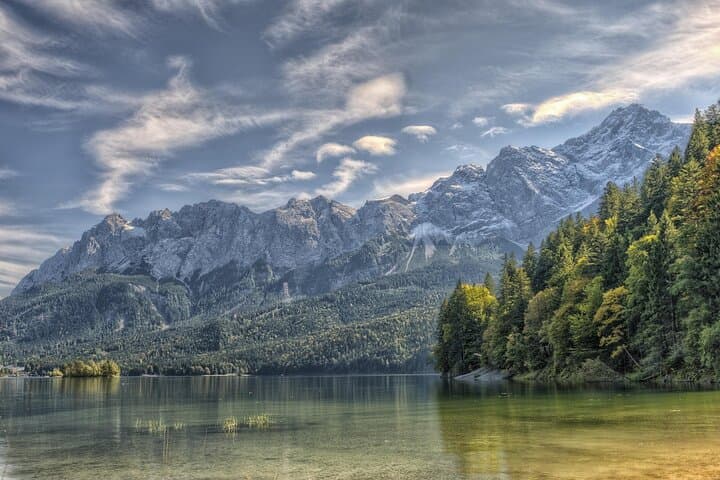
A cold wind climbs the cable car as it lifts you above a necklace of emerald water and forested ridges. From the road out of Munich the landscape tightens — fields give way to dark spruce, then to rock — until Eibsee lays flat and glassy, mirroring the jagged teeth of the Zugspitze.
Verified experiences and guided adventures in the surrounding area.
Operated by Kaytrip · Garmisch-Partenkirchen, Bavaria
A cold wind climbs the cable car as it lifts you above a necklace of emerald water and forested ridges. From the road out of Munich the landscape tightens — fields give way to dark spruce, then to rock — until Eibsee lays flat and glassy, mirroring the jagged teeth of the Zugspitze.
Zugspitze, at nearly 2,962 meters, marks the Bavarian–Austrian divide; its summit gaze has drawn climbers, train builders and day-trippers for well over a century. The cogwheel railway and modern cable cars are engineering answers to a long history of alpine travel. Geologically, the peak is an exposed edge of the Northern Limestone Alps, where glaciers and freeze-thaw cycles sculpt sharp ridgelines and cirques now dotted with summer wildflowers.
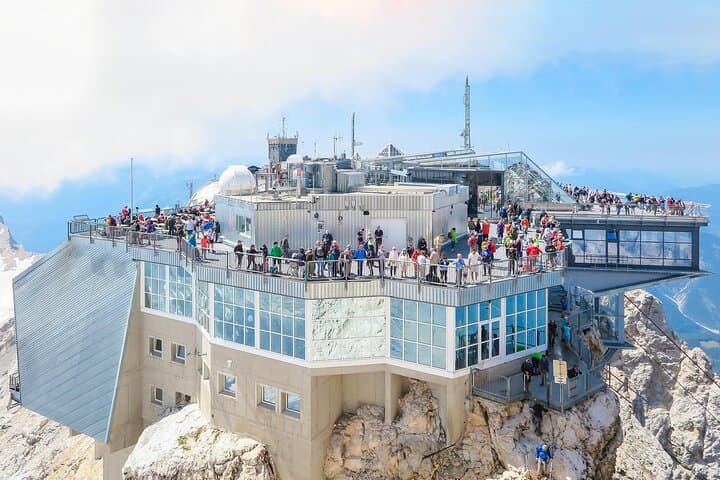
On the shoreline, the Eibsee’s clarity and talus beaches invite short walks, circumnavigation (about 5 km on established trails) and small-boat rentals in summer. The summit platforms offer a cross-border panorama — four countries on a clear day — and year-round mountain gastronomy in hut-style restaurants.
Practically: expect a full-day excursion with about six hours on tour, limited walking required but some steep steps at viewpoints. Weather shifts quickly: bring windproof layers, sun protection and plan for altitude effects. Peak-season mornings bring calmer water at Eibsee and better photos; winter turns the scene to stark, snowy contrast but may change access. Whether chasing alpine light or a fast top-of-Germany experience, this day trip pairs convenient transport with straightforward mountain access — an accessible alpine introduction with big views and small, actionable logistics.
easy.
6 hours.
Light—suitable for most people who can walk short distances and climb steps
The tour is approximately 6 hours and typically departs from central Munich with round-trip transport included.
Yes—this is an easy day trip with minimal walking; infants should sit on laps and travelers over 70 may need to complete a participant statement as required by the operator.
Some visitors experience mild altitude effects; take it slow at the summit, stay hydrated and sit down if you feel lightheaded.
Access includes trains and cable cars; however, steep steps and uneven paths at viewpoints and around the lake can limit full accessibility—check with the operator in advance for specific needs.
The Zugspitze has drawn visitors since the 19th century; the cogwheel railway and later cable cars transformed it into a day-trip destination linking Bavarian and Tyrolean alpine culture.
This alpine environment is fragile—stay on designated trails, pack out waste and avoid disturbing wildlife; seasonal trail closures protect nesting birds and fragile vegetation.
Kaytrip operates guided outdoor trips and adventures with an emphasis on safety, stewardship, and memorable experiences.
A cold wind climbs the cable car as it lifts you above a necklace of emerald water and forested ridges. From the road out of Munich the landscape tightens — fields give way to dark spruce, then to rock — until Eibsee lays flat and glassy, mirroring the jagged teeth of the Zugspitze.
A cold wind climbs the cable car as it lifts you above a necklace of emerald water and forested ridges. From the road out of Munich the landscape tightens — fields give way to dark spruce, then to rock — until Eibsee lays flat and glassy, mirroring the jagged teeth of the Zugspitze.
Zugspitze, at nearly 2,962 meters, marks the Bavarian–Austrian divide; its summit gaze has drawn climbers, train builders and day-trippers for well over a century. The cogwheel railway and modern cable cars are engineering answers to a long history of alpine travel. Geologically, the peak is an exposed edge of the Northern Limestone Alps, where glaciers and freeze-thaw cycles sculpt sharp ridgelines and cirques now dotted with summer wildflowers.
On the shoreline, the Eibsee’s clarity and talus beaches invite short walks, circumnavigation (about 5 km on established trails) and small-boat rentals in summer. The summit platforms offer a cross-border panorama — four countries on a clear day — and year-round mountain gastronomy in hut-style restaurants.
Practically: expect a full-day excursion with about six hours on tour, limited walking required but some steep steps at viewpoints. Weather shifts quickly: bring windproof layers, sun protection and plan for altitude effects. Peak-season mornings bring calmer water at Eibsee and better photos; winter turns the scene to stark, snowy contrast but may change access. Whether chasing alpine light or a fast top-of-Germany experience, this day trip pairs convenient transport with straightforward mountain access — an accessible alpine introduction with big views and small, actionable logistics.