THE ADVENTURE COLLECTIVE® · Independent discovery and booking for outdoor travel

Walk the streets where the Americas' first cathedral stands and learn the Afro-descendent history woven into Santo Domingo’s Colonial City. This four-hour private tour pairs architecture with recent political history for a compact, contextual exploration.
Walk the streets where the Americas' first cathedral stands and learn the Afro-descendent history woven into Santo Domingo’s Colonial City. This four-hour private tour pairs architecture with recent political history for a compact, contextual exploration.
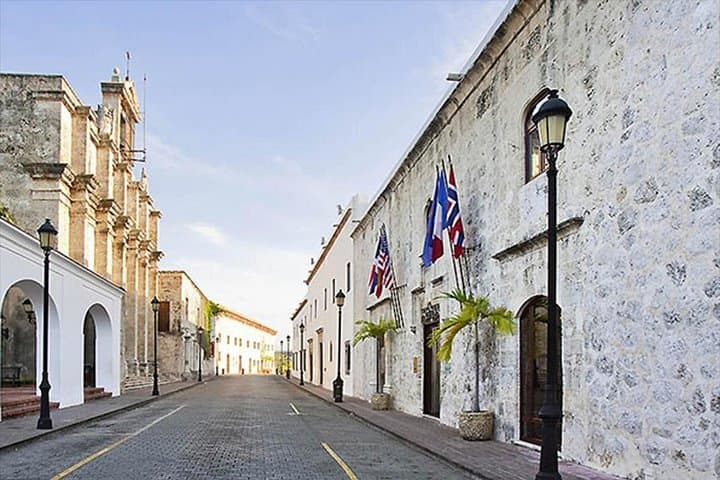
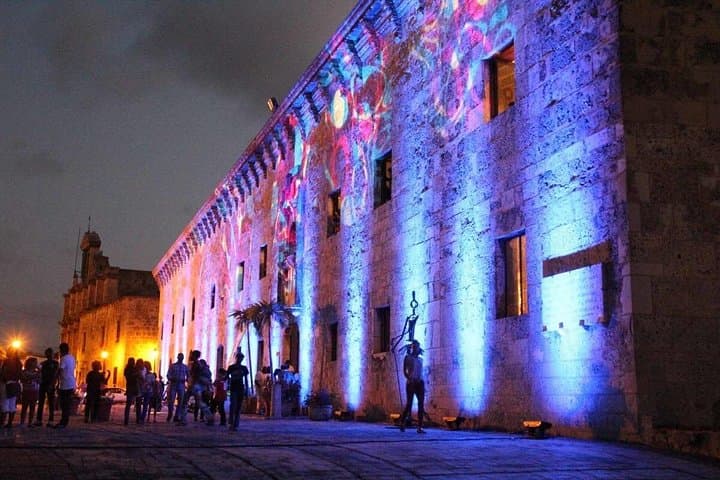
You step off the curb into a square where stone streets remember horse hooves and the river dares the city edge. Sun slides across the facades of limestone and brick; a guide leads you through narrow alleys toward the cathedral whose bell has marked centuries.
Verified experiences and guided adventures in the surrounding area.
Operated by Blip Tours · Santo Domingo, Distrito Nacional
You step off the curb into a square where stone streets remember horse hooves and the river dares the city edge. Sun slides across the facades of limestone and brick; a guide leads you through narrow alleys toward the cathedral whose bell has marked centuries.
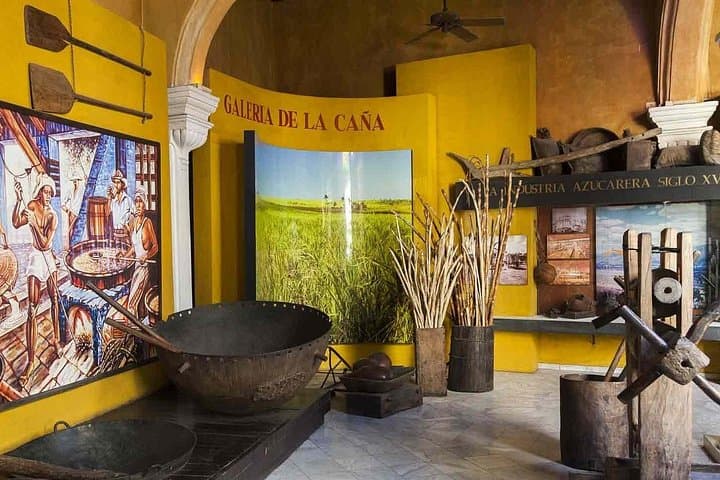
The Zona Colonial is the oldest European-built neighborhood in the Americas, its layered history visible in fortresses, plazas, and carved doorways. Geologically the district sits on a low alluvial terrace beside the Ozama River; the masonry reflects Spanish baroque and early colonial techniques adapted to tropical weather. Culturally, the tour foregrounds Afro-descendent stories: people, music, and resistance that shaped Santo Domingo from the colonial era through U.S. intervention and the Trujillo years.
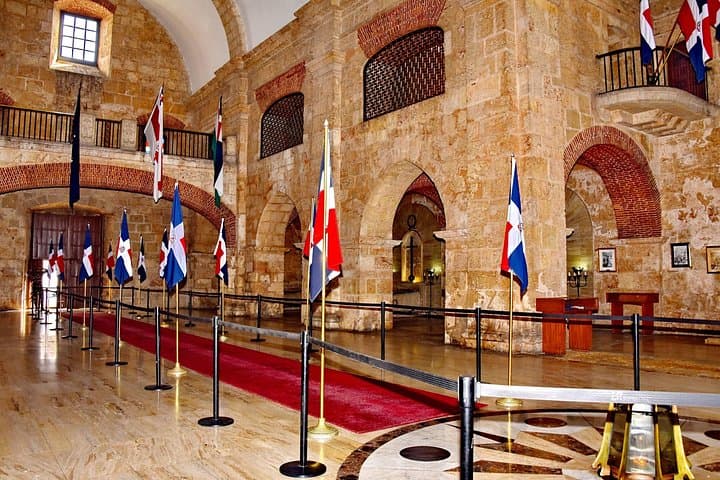
Expect visits to plazas, colonial churches, and monuments with time to absorb street life and architecture. The guide contextualizes the built environment alongside recent political history—useful if you want to connect landmarks to the 20th-century national narrative.
Practical: the route is mostly flat but paved with cobbles; comfortable shoes and a sun hat matter. Bring a refillable water bottle and small cash for museum entry or a lunch stop in a nearby comedor. The tour runs about four hours, often in the morning to avoid midday heat; private-group pacing means questions are welcome. Photographers will appreciate the light in late afternoon, while heritage-minded travelers should book a guide who emphasizes Afro-descendent perspectives to get the most from the experience.
easy.
4 hours.
Light walking over mostly flat, cobbled streets; suitable for most fitness levels
Lunch is not included; the itinerary usually stops at a Colonial City restaurant area where you can buy a meal after the tour.
The tour is rated easy but Colonial City streets are often cobbled and narrow; accessibility may be limited—contact the operator ahead to discuss specific needs.
Meeting points are typically in the heart of the Colonial City such as Plaza de España—confirm exact location on your booking confirmation.
Guides commonly speak Spanish; many operators offer English-speaking guides on request—verify language availability when booking.
The Colonial City is the oldest permanent European settlement in the Americas; its streets and structures chronicle Spanish colonial urban planning and later 20th-century political shifts.
Preservation efforts focus on maintaining historic stonework and managing tourist impact; visitors are asked to respect heritage sites and avoid littering.
Blip Tours operates guided outdoor trips and adventures with an emphasis on safety, stewardship, and memorable experiences.
You step off the curb into a square where stone streets remember horse hooves and the river dares the city edge. Sun slides across the facades of limestone and brick; a guide leads you through narrow alleys toward the cathedral whose bell has marked centuries.
You step off the curb into a square where stone streets remember horse hooves and the river dares the city edge. Sun slides across the facades of limestone and brick; a guide leads you through narrow alleys toward the cathedral whose bell has marked centuries.
The Zona Colonial is the oldest European-built neighborhood in the Americas, its layered history visible in fortresses, plazas, and carved doorways. Geologically the district sits on a low alluvial terrace beside the Ozama River; the masonry reflects Spanish baroque and early colonial techniques adapted to tropical weather. Culturally, the tour foregrounds Afro-descendent stories: people, music, and resistance that shaped Santo Domingo from the colonial era through U.S. intervention and the Trujillo years.
Expect visits to plazas, colonial churches, and monuments with time to absorb street life and architecture. The guide contextualizes the built environment alongside recent political history—useful if you want to connect landmarks to the 20th-century national narrative.
Practical: the route is mostly flat but paved with cobbles; comfortable shoes and a sun hat matter. Bring a refillable water bottle and small cash for museum entry or a lunch stop in a nearby comedor. The tour runs about four hours, often in the morning to avoid midday heat; private-group pacing means questions are welcome. Photographers will appreciate the light in late afternoon, while heritage-minded travelers should book a guide who emphasizes Afro-descendent perspectives to get the most from the experience.