THE ADVENTURE COLLECTIVE® · Independent discovery and booking for outdoor travel

Track white rhinos on foot at Ziwa Rhino Sanctuary, Uganda’s conservation-focused refuge where guided, armed treks bring you close to reintroduced rhinos and a busy bird population. This one-day outing balances hands-on wildlife viewing with clear conservation context.
Track white rhinos on foot at Ziwa Rhino Sanctuary, Uganda’s conservation-focused refuge where guided, armed treks bring you close to reintroduced rhinos and a busy bird population. This one-day outing balances hands-on wildlife viewing with clear conservation context.
The morning sun pushes up over scrub and flat pans as you step out of a vehicle and into the low, grassy savannah of Ziwa Rhino Sanctuary. Dry dust lifts at your boots while a ranger checks the radio and the heavy, deliberate shapes of white rhinos graze just beyond a stand of acacia — the animals here move with a calm that contrasts the sharp, alert calls of nearby birds.
Verified experiences and guided adventures in the surrounding area.
Operated by Ultimate Wild Safaris · Nakasongola, Nakasongola District
The morning sun pushes up over scrub and flat pans as you step out of a vehicle and into the low, grassy savannah of Ziwa Rhino Sanctuary. Dry dust lifts at your boots while a ranger checks the radio and the heavy, deliberate shapes of white rhinos graze just beyond a stand of acacia — the animals here move with a calm that contrasts the sharp, alert calls of nearby birds.
Ziwa was established by the Rhino Fund Uganda with Uganda Wildlife Authority to reintroduce rhinos to the country after decades of local extinction. The sanctuary occupies roughly 7,000 hectares of savannah and woodland, carved into riverine channels and seasonal marshes that support reedbuck, bushbuck, oribi and an impressive roster of birds including the occasional shoebill.
Geologically the area is low-lying and flat, with sandy soils and scattered rock outcrops; walking routes are typically short (a few kilometers) but uneven and exposed. The experience is a guided, armed walking trek — rangers lead at a deliberate pace to locate and observe rhinos from a safe distance while explaining behavior and conservation efforts.
Practical guidance: start early to avoid midday heat, wear closed shoes and neutral colors, bring at least 2 liters of water, sun protection and insect repellent, and keep camera gear ready with a moderate zoom lens. Respect ranger instructions and maintain distance — this is a tracking and conservation visit, not a petting encounter. Flights from Kampala are unnecessary; most visitors make it a long day-trip by road. The sanctuary’s combination of cautious wildlife encounters and active rewilding work makes for a singular half- to full-day wildlife experience in Uganda.
moderate.
10–12 hours (door-to-door from Kampala).
Moderate fitness for short, sometimes brisk walking over uneven ground; comfortable pace but expect heat and dust.
Guides position the group at a safe observational distance; proximity varies with animal movement but the aim is a respectful, non-invasive viewing rather than touching.
Walks are short (typically a few kilometers at a slow pace) but occur on uneven terrain and in heat, so moderate mobility is helpful.
Many operators list accessibility for transport, but the walking trek itself may not suit infants in strollers or some wheelchair users — confirm specific accessibility needs when booking.
Dry-season months often concentrate wildlife and make walking easier, while early mornings are best year-round for animal activity and birdwatching.
Ziwa was created by the Rhino Fund Uganda and Uganda Wildlife Authority to rehabilitate and reintroduce rhinos after local extirpation, now serving as a breeding and protection site.
The sanctuary combines guided tracking tourism with anti-poaching patrols and breeding programs; visitor fees support rhino protection and habitat management.
Ultimate Wild Safaris operates guided outdoor trips and adventures with an emphasis on safety, stewardship, and memorable experiences.
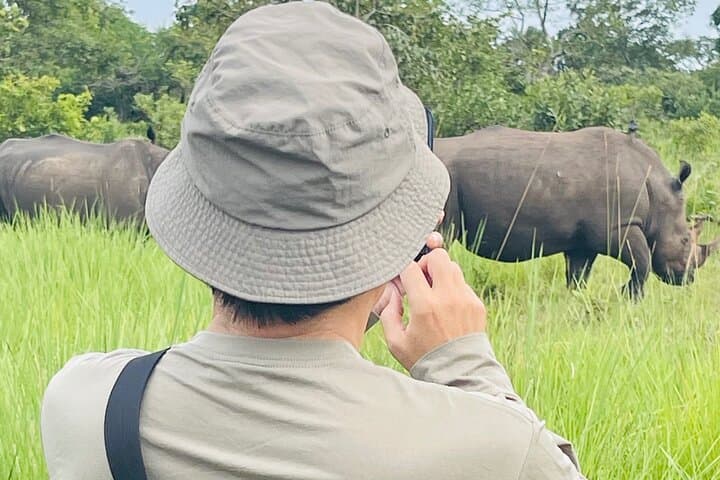
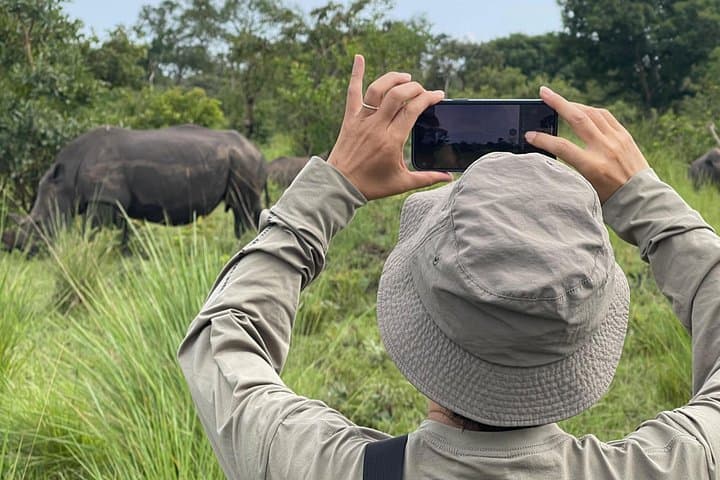
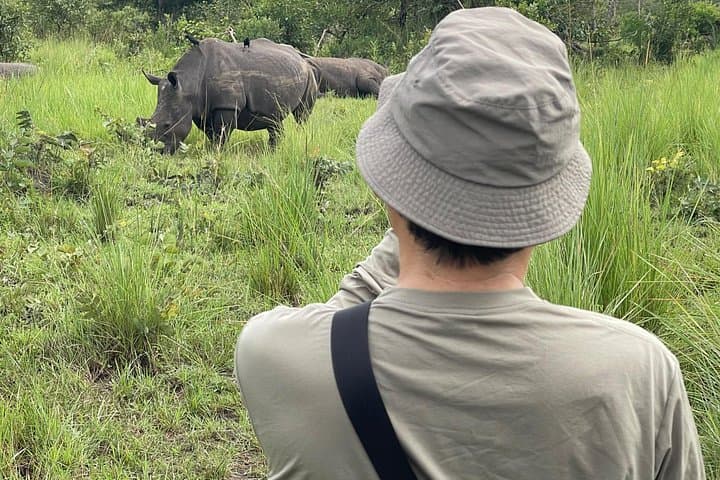
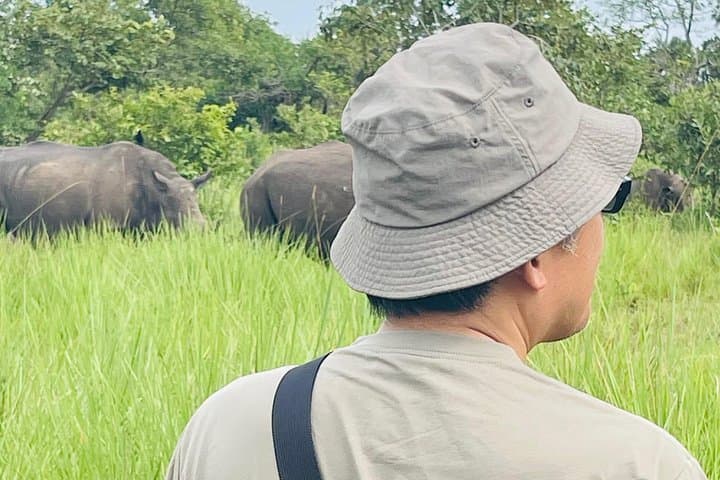
The morning sun pushes up over scrub and flat pans as you step out of a vehicle and into the low, grassy savannah of Ziwa Rhino Sanctuary. Dry dust lifts at your boots while a ranger checks the radio and the heavy, deliberate shapes of white rhinos graze just beyond a stand of acacia — the animals here move with a calm that contrasts the sharp, alert calls of nearby birds.
The morning sun pushes up over scrub and flat pans as you step out of a vehicle and into the low, grassy savannah of Ziwa Rhino Sanctuary. Dry dust lifts at your boots while a ranger checks the radio and the heavy, deliberate shapes of white rhinos graze just beyond a stand of acacia — the animals here move with a calm that contrasts the sharp, alert calls of nearby birds.
Ziwa was established by the Rhino Fund Uganda with Uganda Wildlife Authority to reintroduce rhinos to the country after decades of local extinction. The sanctuary occupies roughly 7,000 hectares of savannah and woodland, carved into riverine channels and seasonal marshes that support reedbuck, bushbuck, oribi and an impressive roster of birds including the occasional shoebill.
Geologically the area is low-lying and flat, with sandy soils and scattered rock outcrops; walking routes are typically short (a few kilometers) but uneven and exposed. The experience is a guided, armed walking trek — rangers lead at a deliberate pace to locate and observe rhinos from a safe distance while explaining behavior and conservation efforts.
Practical guidance: start early to avoid midday heat, wear closed shoes and neutral colors, bring at least 2 liters of water, sun protection and insect repellent, and keep camera gear ready with a moderate zoom lens. Respect ranger instructions and maintain distance — this is a tracking and conservation visit, not a petting encounter. Flights from Kampala are unnecessary; most visitors make it a long day-trip by road. The sanctuary’s combination of cautious wildlife encounters and active rewilding work makes for a singular half- to full-day wildlife experience in Uganda.