THE ADVENTURE COLLECTIVE® · Independent discovery and booking for outdoor travel

Fly over jungle canopy on six zip lines, traverse ten towers, then cool off with a swim in a limestone cenote — all in a well-paced 4‑hour tour from Cancun. This guided excursion blends geology, Maya history, and adventure with hotel transfers and safety gear included.
Fly over jungle canopy on six zip lines, traverse ten towers, then cool off with a swim in a limestone cenote — all in a well-paced 4‑hour tour from Cancun. This guided excursion blends geology, Maya history, and adventure with hotel transfers and safety gear included.
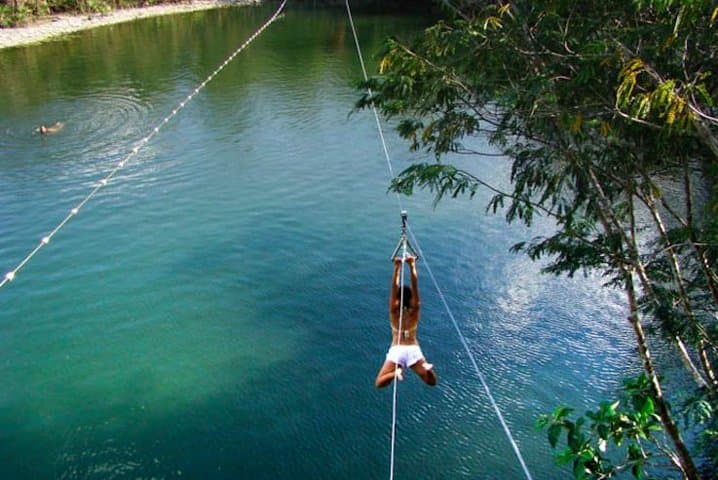
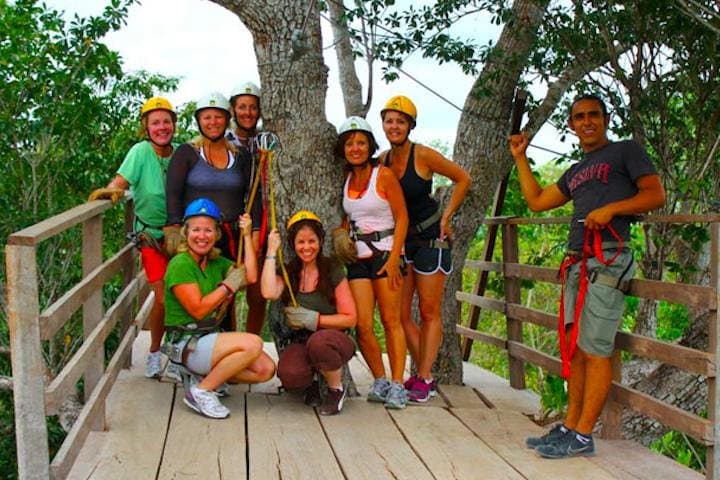
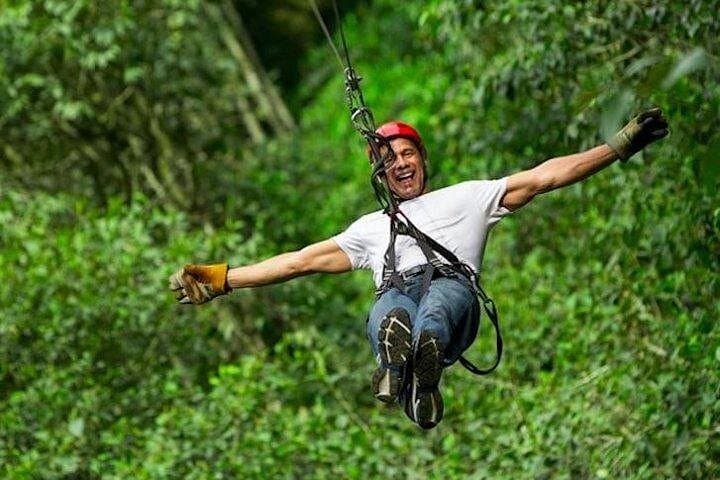
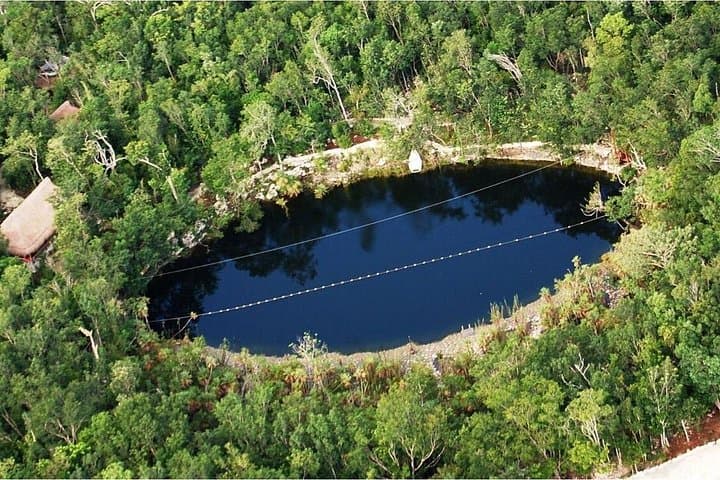
You step off the transfer bus and the heat of the hotel strip is replaced by a cooler, green hush. A line of towers rises through palms; guides clip harnesses with practiced hands while the jungle seems to lean closer, curious. The first zip makes your stomach drop and the world narrows to wind, rope, and the broad, sun-mottled canopy rushing past. Later, after six lines and ten platforms, the trees open to a raw hole in the earth — a cenote — its water the color of a heavy jewel daring you to jump.
Verified experiences and guided adventures in the surrounding area.
Operated by Wisest Travel · Cancun, Quintana Roo
You step off the transfer bus and the heat of the hotel strip is replaced by a cooler, green hush. A line of towers rises through palms; guides clip harnesses with practiced hands while the jungle seems to lean closer, curious. The first zip makes your stomach drop and the world narrows to wind, rope, and the broad, sun-mottled canopy rushing past. Later, after six lines and ten platforms, the trees open to a raw hole in the earth — a cenote — its water the color of a heavy jewel daring you to jump.
Cenotes are the reason the Yucatán’s limestone plateau matters. These sinkholes form where rainwater has dissolved subterranean rock for millennia, exposing groundwater that ancient Maya called xʼóokʼ (sacred wells) and used for ritual and survival. The area around Cancun and the Riviera Maya sits on karstic geology: caverns, underground rivers, and a dense network of cenotes that fed settlements and guided trade routes. Ziplining parks here were built to thread modern adventure through that deep natural history — towers anchored in soils shaped by water over eons.
The culture you pass through is part-ruin, part-resort: small Maya communities still in the region; coastal towns where fishermen still bring in spiny lobsters at dawn; and a tourism economy that balances visitor demand with conserving fragile cenotes. Your bilingual guide will point out native fauna — howler monkeys give territory calls from the canopy and great-tailed grackles patrol the understory — and explain simple, respectful ways to enjoy the water without harming it.
Practical details: the tour runs about four hours and includes round-trip transfers with A/C from Cancun and Riviera Maya hotels (pickup windows vary; confirmation is emailed). Groups are shared — up to 15 riders — and every participant is weighed and briefed for safety; the operator caps weight at 240 lb and requires a minimum of 55 lb. Basic swimming skills are needed for the cenote segment, and the company provides life vests, helmets, and medical insurance. The experience suits those comfortable with heights and moderate physical activity; it’s not recommended for pregnant travelers, people with serious cardiovascular or respiratory conditions, or those with recent surgeries.
Timing and packing matter. Morning departures avoid the mid-afternoon heat and make for clearer water in the cenote; bring sturdy closed-toe shoes, a quick-dry swimsuit, and a small waterproof bag for your phone or camera. Stay hydrated — the guides provide bottled water and a snack — and follow briefings closely; the ropes and platforms are managed by trained staff, but attentiveness keeps the day fun and safe.
Ziplining then slipping into cenote water is a compact slice of the Yucatán: a physical jolt followed by the cool, still hush of underground-fed water. It’s a short, efficient way to feel how geology, history, and simple adrenaline meet just outside Cancun.
moderate.
4 hours.
Moderate fitness recommended — comfortable with heights, short climbs and basic swimming are required.
Pickup windows start around 8:00 AM but exact times depend on hotel location; you’ll receive confirmation by email after booking.
Yes — participants must weigh between 55 and 240 lb; age minimums vary by platform but the tour is suitable for most children who meet the weight requirement and can follow safety instructions.
Basic swimming skills are required for the cenote portion; life vests are provided if you prefer extra buoyancy.
Guides are bilingual and trained, helmets and harnesses are provided, weight checks are done, and the tour includes medical insurance.
No — the tour is not recommended for pregnant travelers or anyone with recent surgeries or serious cardiovascular/respiratory conditions.
Round-trip transfer, bilingual guide, zipline equipment, swim in a cenote, a snack, bottled water, and medical insurance are included.
Cenotes were central to Maya life and ritual; many communities in the Yucatán were sited near these freshwater sources and some were used for offerings and ceremonies.
Cenotes are fragile freshwater systems; avoid sunscreens or lotions before swimming and follow guide instructions to minimize chemical and physical impact.
Wisest Travel operates guided outdoor trips and adventures with an emphasis on safety, stewardship, and memorable experiences.
You step off the transfer bus and the heat of the hotel strip is replaced by a cooler, green hush. A line of towers rises through palms; guides clip harnesses with practiced hands while the jungle seems to lean closer, curious. The first zip makes your stomach drop and the world narrows to wind, rope, and the broad, sun-mottled canopy rushing past. Later, after six lines and ten platforms, the trees open to a raw hole in the earth — a cenote — its water the color of a heavy jewel daring you to jump.
You step off the transfer bus and the heat of the hotel strip is replaced by a cooler, green hush. A line of towers rises through palms; guides clip harnesses with practiced hands while the jungle seems to lean closer, curious. The first zip makes your stomach drop and the world narrows to wind, rope, and the broad, sun-mottled canopy rushing past. Later, after six lines and ten platforms, the trees open to a raw hole in the earth — a cenote — its water the color of a heavy jewel daring you to jump.
Cenotes are the reason the Yucatán’s limestone plateau matters. These sinkholes form where rainwater has dissolved subterranean rock for millennia, exposing groundwater that ancient Maya called xʼóokʼ (sacred wells) and used for ritual and survival. The area around Cancun and the Riviera Maya sits on karstic geology: caverns, underground rivers, and a dense network of cenotes that fed settlements and guided trade routes. Ziplining parks here were built to thread modern adventure through that deep natural history — towers anchored in soils shaped by water over eons.
The culture you pass through is part-ruin, part-resort: small Maya communities still in the region; coastal towns where fishermen still bring in spiny lobsters at dawn; and a tourism economy that balances visitor demand with conserving fragile cenotes. Your bilingual guide will point out native fauna — howler monkeys give territory calls from the canopy and great-tailed grackles patrol the understory — and explain simple, respectful ways to enjoy the water without harming it.
Practical details: the tour runs about four hours and includes round-trip transfers with A/C from Cancun and Riviera Maya hotels (pickup windows vary; confirmation is emailed). Groups are shared — up to 15 riders — and every participant is weighed and briefed for safety; the operator caps weight at 240 lb and requires a minimum of 55 lb. Basic swimming skills are needed for the cenote segment, and the company provides life vests, helmets, and medical insurance. The experience suits those comfortable with heights and moderate physical activity; it’s not recommended for pregnant travelers, people with serious cardiovascular or respiratory conditions, or those with recent surgeries.
Timing and packing matter. Morning departures avoid the mid-afternoon heat and make for clearer water in the cenote; bring sturdy closed-toe shoes, a quick-dry swimsuit, and a small waterproof bag for your phone or camera. Stay hydrated — the guides provide bottled water and a snack — and follow briefings closely; the ropes and platforms are managed by trained staff, but attentiveness keeps the day fun and safe.
Ziplining then slipping into cenote water is a compact slice of the Yucatán: a physical jolt followed by the cool, still hush of underground-fed water. It’s a short, efficient way to feel how geology, history, and simple adrenaline meet just outside Cancun.