THE ADVENTURE COLLECTIVE® · Independent discovery and booking for outdoor travel

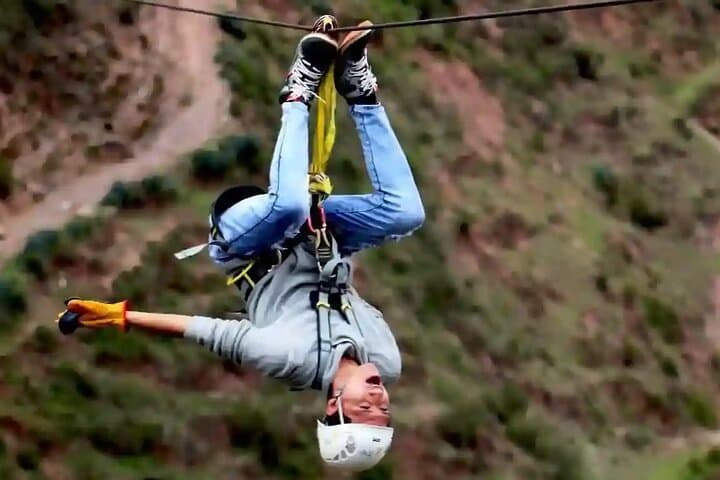
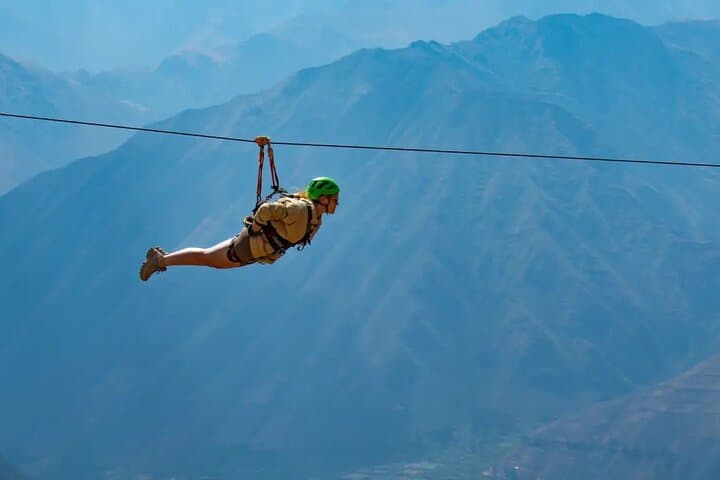
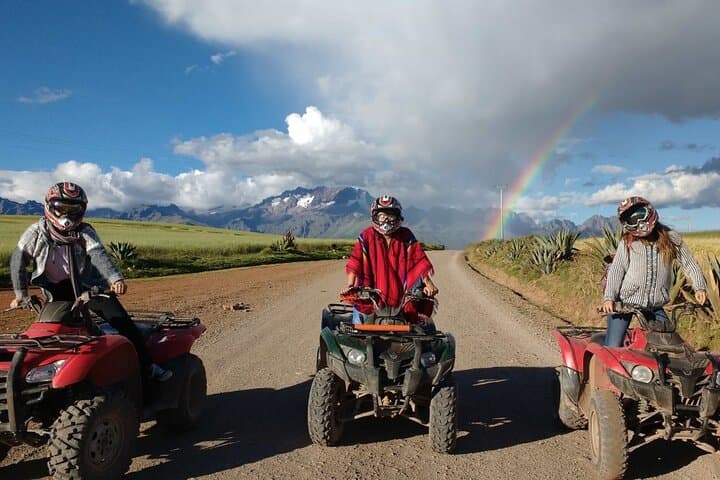
Combine adrenaline and archaeology on a half-day from Cusco: ride ATVs past Inca terraces, photograph the thousand-plus salt ponds at Maras, and finish with four ziplines over the Sacred Valley. Expect high-altitude trails, short technical sections, and vivid landscape photography opportunities.
Combine adrenaline and archaeology on a half-day from Cusco: ride ATVs past Inca terraces, photograph the thousand-plus salt ponds at Maras, and finish with four ziplines over the Sacred Valley. Expect high-altitude trails, short technical sections, and vivid landscape photography opportunities.
You step out of the van and the air feels thinner, colder—Cusco’s altitude follows you into the valley. The road opens to terraces carved into the Andes; the first rev of an ATV throws dust into a canyon that frames Moray’s concentric bowls. Wind pushes across salt pans below, and the zipline cables in Racchi cut like silver threads over terraced slopes.
Verified experiences and guided adventures in the surrounding area.
Operated by Machupicchu Adventure · Maras, Cusco Region
You step out of the van and the air feels thinner, colder—Cusco’s altitude follows you into the valley. The road opens to terraces carved into the Andes; the first rev of an ATV throws dust into a canyon that frames Moray’s concentric bowls. Wind pushes across salt pans below, and the zipline cables in Racchi cut like silver threads over terraced slopes.
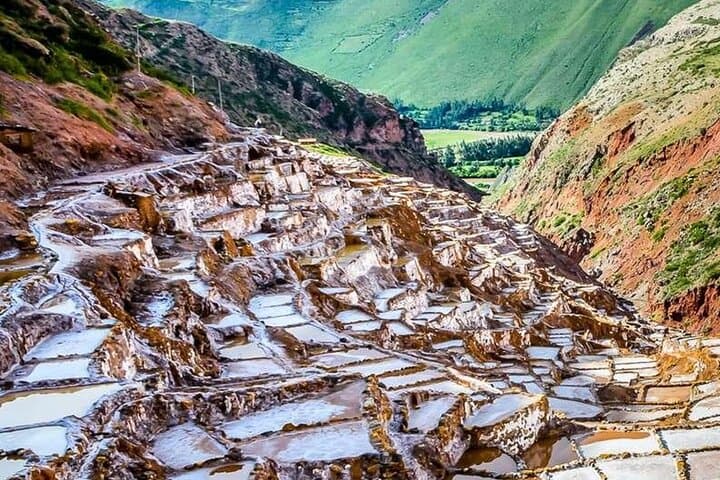
Moray’s circular depressions are an Inca agricultural laboratory, deliberate steps of stone that create distinct microclimates. Nearby Maras holds over 3,000 hand-fed salt ponds whose bright pools reflect the sky and the long lineage of salt harvesters who still manage them by family parcel.
Geology here is sharp: uplifted volcanic rock shaped by glacial runoff, with fragile soils that the Incas once engineered into living test plots. Culturally, the valley remains Andes-first—Quechua-speaking communities, market towns, and centuries-old salt rights.
On the ground expect 4–6 hours out of Cusco, riding on rough dirt and narrow tracks at roughly 3,200–3,500 m elevation. ATVs follow undulating singletrack and agricultural lanes; zipline runs include four cables of varied length and height, offering fast, exposed glides across the valley. Safety briefings and full gear are provided; basic ATV control and steady balance on ziplines suffice.
Plan for altitude: hydrate, eat well, and move cautiously the first day. Wear layers and sturdy closed-toe shoes for dust and rocky approaches. Bring a camera, sunscreen, and respect private salt terraces—stay on marked paths. The day combines adrenaline and quiet observation: speed on an ATV, then the slow, meticulous work of salt harvesters—two sides of the Sacred Valley in one trip.
moderate.
5–6 hours.
Moderate fitness; comfortable with short bursts of physical effort and handling an ATV for several kilometers at altitude.
The full excursion is about 5–6 hours with pickup in central Cusco (Plaza Regocijo or nearby hotels) and return to the same area.
No—operators provide a briefing and practice run; riders should be comfortable with basic vehicle control and balance.
Yes—visitors can view and photograph the salt pools from designated walkways; refrain from entering ponds unless clearly permitted by local caretakers.
Yes—full harnesses, helmets, and professional guides are provided; participants should be free of major heart or spinal conditions and not be pregnant.
Moray’s concentric terraces were used by the Incas to experiment with microclimates; Maras' salt pans predate the Inca and operate under long-standing communal rights.
Stay on marked paths and avoid contaminating salt ponds; local communities manage the pools and rely on tourism revenue, so responsible behavior supports conservation.
Machupicchu Adventure operates guided outdoor trips and adventures with an emphasis on safety, stewardship, and memorable experiences.
You step out of the van and the air feels thinner, colder—Cusco’s altitude follows you into the valley. The road opens to terraces carved into the Andes; the first rev of an ATV throws dust into a canyon that frames Moray’s concentric bowls. Wind pushes across salt pans below, and the zipline cables in Racchi cut like silver threads over terraced slopes.
You step out of the van and the air feels thinner, colder—Cusco’s altitude follows you into the valley. The road opens to terraces carved into the Andes; the first rev of an ATV throws dust into a canyon that frames Moray’s concentric bowls. Wind pushes across salt pans below, and the zipline cables in Racchi cut like silver threads over terraced slopes.
Moray’s circular depressions are an Inca agricultural laboratory, deliberate steps of stone that create distinct microclimates. Nearby Maras holds over 3,000 hand-fed salt ponds whose bright pools reflect the sky and the long lineage of salt harvesters who still manage them by family parcel.
Geology here is sharp: uplifted volcanic rock shaped by glacial runoff, with fragile soils that the Incas once engineered into living test plots. Culturally, the valley remains Andes-first—Quechua-speaking communities, market towns, and centuries-old salt rights.
On the ground expect 4–6 hours out of Cusco, riding on rough dirt and narrow tracks at roughly 3,200–3,500 m elevation. ATVs follow undulating singletrack and agricultural lanes; zipline runs include four cables of varied length and height, offering fast, exposed glides across the valley. Safety briefings and full gear are provided; basic ATV control and steady balance on ziplines suffice.
Plan for altitude: hydrate, eat well, and move cautiously the first day. Wear layers and sturdy closed-toe shoes for dust and rocky approaches. Bring a camera, sunscreen, and respect private salt terraces—stay on marked paths. The day combines adrenaline and quiet observation: speed on an ATV, then the slow, meticulous work of salt harvesters—two sides of the Sacred Valley in one trip.