THE ADVENTURE COLLECTIVE® · Independent discovery and booking for outdoor travel

Descend into a functioning salt mine turned cathedral and stroll Zipaquirá’s colonial plazas on this half-day private tour from Bogotá. Experience a light show in the subterranean cathedral and a guided walk through the town’s historic squares.
Descend into a functioning salt mine turned cathedral and stroll Zipaquirá’s colonial plazas on this half-day private tour from Bogotá. Experience a light show in the subterranean cathedral and a guided walk through the town’s historic squares.
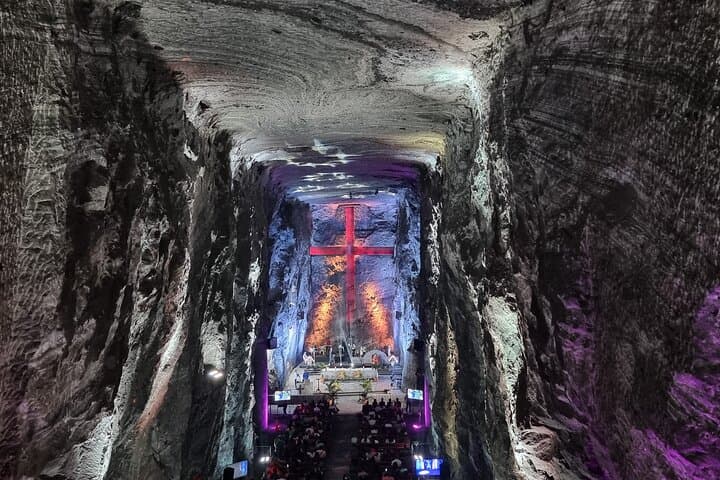
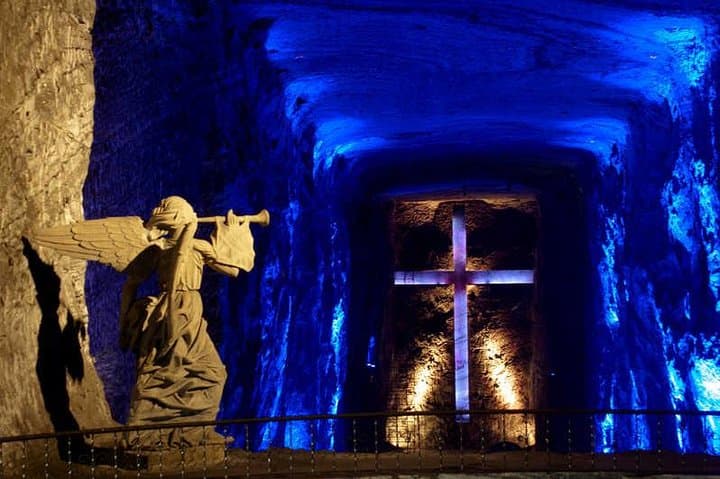
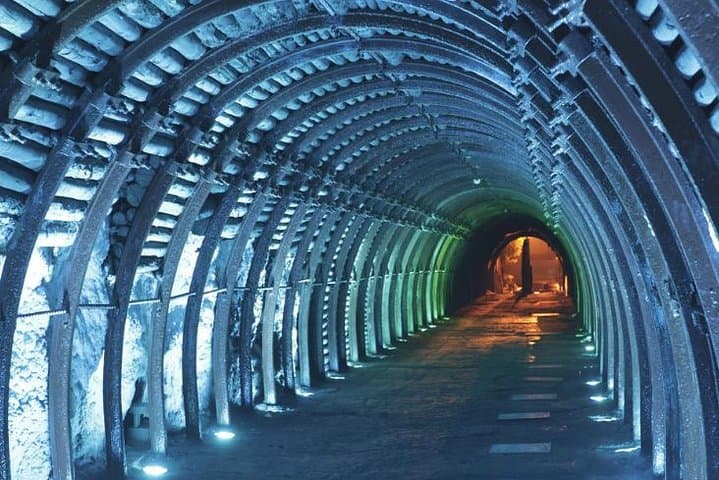
You step off the van as a cool, mineral-scented air meets the afternoon sun — the hill above Zipaquirá is no ordinary churchyard. Below that calm town, tunnels cut into Permian salt hold a cathedral hewn by miners: vaulted salt walls reflect light, carved stations of the cross peer from shadow, and a mapping projection animates the white rock with color.
Verified experiences and guided adventures in the surrounding area.
Operated by transfers & tours Colombia · Zipaquirá, Cundinamarca
You step off the van as a cool, mineral-scented air meets the afternoon sun — the hill above Zipaquirá is no ordinary churchyard. Below that calm town, tunnels cut into Permian salt hold a cathedral hewn by miners: vaulted salt walls reflect light, carved stations of the cross peer from shadow, and a mapping projection animates the white rock with color.
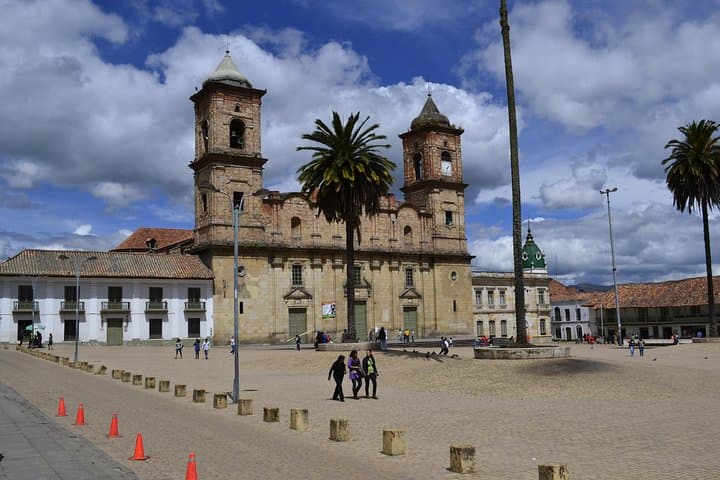
The Salt Cathedral is both a modern devotional space and a reused mining gallery. Formed by ancient evaporated seas, the salt deposits under Zipaquirá were mined for centuries; the present cathedral, completed inside a disused gallery, blends mining engineering with contemporary religious art. Around town, the Plaza de la Independencia and Plaza de Armas show colonial facades and one of Colombia’s older churches, giving a compact lesson in regional architecture and civic life.
Expect roughly six hours door-to-door from Bogotá including private transport, a guided visit to the Salt Cathedral (light show, short film, brine museum, and audio guide), lunch, and a 30-minute walking tour of the main squares. Terrain is mainly paved streets and wide underground passageways with steps and ramps; the site is wheelchair-accessible but includes stairs on some viewing platforms.
Practical notes: bring a light layer for the cathedral’s cool interior, wear grippy shoes for stone steps, and allow time for peak traffic back to Bogotá. Cameras are allowed; follow posted rules in devotional spaces. The tour suits history and architecture fans and anyone curious about the geology and labor history that shaped this subterranean landmark.
easy.
6 hours.
Suitable for most fitness levels; involves short walks on paved streets and stairs underground.
The full tour is approximately six hours including private transport, the cathedral visit, lunch, and a short walking tour of the main squares.
Yes; the tour price includes entrance to the Salt Cathedral, the short film and light show, lunch, and the audio guide provided inside the cathedral.
The main facilities are wheelchair-accessible, with ramps and accessible surfaces, though some viewpoints and stairs may be challenging—check with your operator for specifics.
Photography is generally allowed, but obey any posted restrictions in devotional areas and avoid using large tripods during services or crowded times.
Salt extraction around Zipaquirá dates back to pre-Colombian times and later grew into an industrial mining center; the modern cathedral repurposes former mining galleries into a place of worship and cultural display.
The site balances tourism with mine preservation; visitors are asked to follow designated routes to protect vulnerable salt formations and adhere to local waste-reduction practices.
transfers & tours Colombia operates guided outdoor trips and adventures with an emphasis on safety, stewardship, and memorable experiences.
You step off the van as a cool, mineral-scented air meets the afternoon sun — the hill above Zipaquirá is no ordinary churchyard. Below that calm town, tunnels cut into Permian salt hold a cathedral hewn by miners: vaulted salt walls reflect light, carved stations of the cross peer from shadow, and a mapping projection animates the white rock with color.
You step off the van as a cool, mineral-scented air meets the afternoon sun — the hill above Zipaquirá is no ordinary churchyard. Below that calm town, tunnels cut into Permian salt hold a cathedral hewn by miners: vaulted salt walls reflect light, carved stations of the cross peer from shadow, and a mapping projection animates the white rock with color.
The Salt Cathedral is both a modern devotional space and a reused mining gallery. Formed by ancient evaporated seas, the salt deposits under Zipaquirá were mined for centuries; the present cathedral, completed inside a disused gallery, blends mining engineering with contemporary religious art. Around town, the Plaza de la Independencia and Plaza de Armas show colonial facades and one of Colombia’s older churches, giving a compact lesson in regional architecture and civic life.
Expect roughly six hours door-to-door from Bogotá including private transport, a guided visit to the Salt Cathedral (light show, short film, brine museum, and audio guide), lunch, and a 30-minute walking tour of the main squares. Terrain is mainly paved streets and wide underground passageways with steps and ramps; the site is wheelchair-accessible but includes stairs on some viewing platforms.
Practical notes: bring a light layer for the cathedral’s cool interior, wear grippy shoes for stone steps, and allow time for peak traffic back to Bogotá. Cameras are allowed; follow posted rules in devotional spaces. The tour suits history and architecture fans and anyone curious about the geology and labor history that shaped this subterranean landmark.