THE ADVENTURE COLLECTIVE® · Independent discovery and booking for outdoor travel

A compact four-day loop from Los Angeles to Las Vegas, Zion, Bryce and Antelope Canyon that combines epic canyon viewpoints, guided Navajo slot-canyon visits and optional Lake Powell kayaking. Ideal for travelers who want a packaged route through the red-rock high country with practical logistics handled.
A compact four-day loop from Los Angeles to Las Vegas, Zion, Bryce and Antelope Canyon that combines epic canyon viewpoints, guided Navajo slot-canyon visits and optional Lake Powell kayaking. Ideal for travelers who want a packaged route through the red-rock high country with practical logistics handled.
The bus peels out of Los Angeles with the city’s smudged skyline receding behind, and within hours the neon of Las Vegas gives way to a flat, sun-baked sweep of the Mojave. By the second day the landscape transforms—sandstone cliffs rise like pages turned in slow motion as you enter Utah’s high desert. The air sharpens; the rock takes on bands of cream, salmon and rust that change with the angle of the sun, daring you to stop and stare.
Verified experiences and guided adventures in the surrounding area.
Operated by Jupiter Legend Corporation · Las Vegas, Nevada
The bus peels out of Los Angeles with the city’s smudged skyline receding behind, and within hours the neon of Las Vegas gives way to a flat, sun-baked sweep of the Mojave. By the second day the landscape transforms—sandstone cliffs rise like pages turned in slow motion as you enter Utah’s high desert. The air sharpens; the rock takes on bands of cream, salmon and rust that change with the angle of the sun, daring you to stop and stare.
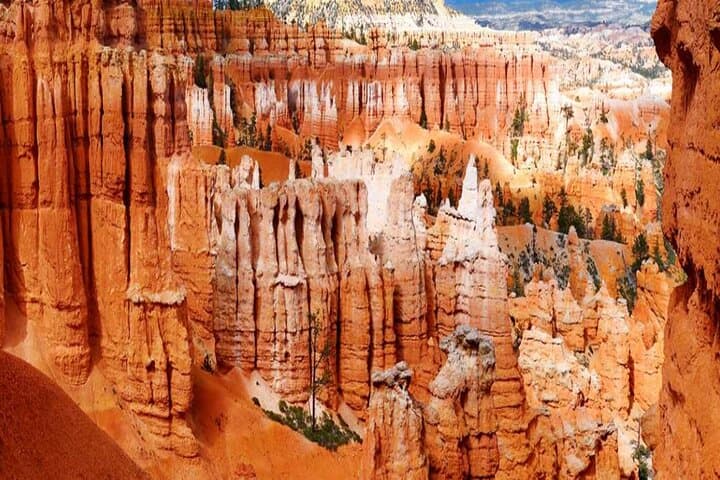
This four-day loop stitches together three of the Southwest’s most photographed places: Zion National Park, where steep canyon walls fold into narrow slots and cottonwoods cling to riverbanks; Bryce Canyon, an amphitheater of hoodoos sitting at 8,000–9,000 feet where frost has carved spires into lacework; and the otherworldly curves of Lower Antelope Canyon and the vertiginous sweep of Horseshoe Bend near Page and Lake Powell. Geology here reads like slow motion: uplifted plateaus, volcanic ash layers, and millennia of water and frost sculpting the sandstone into cliffs, fins and chimneys.
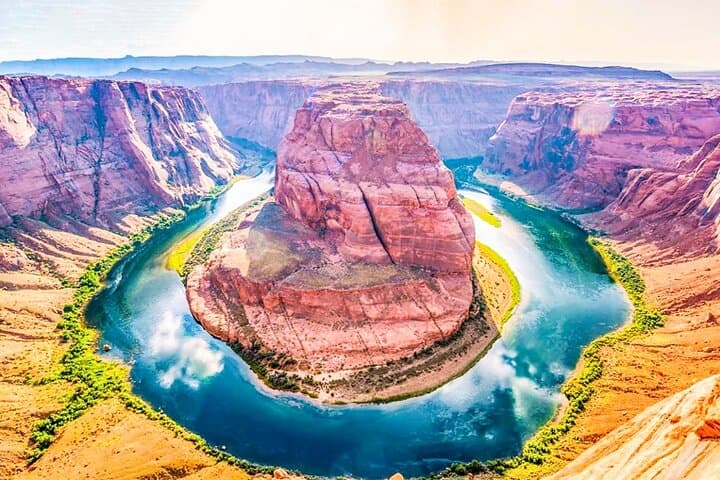
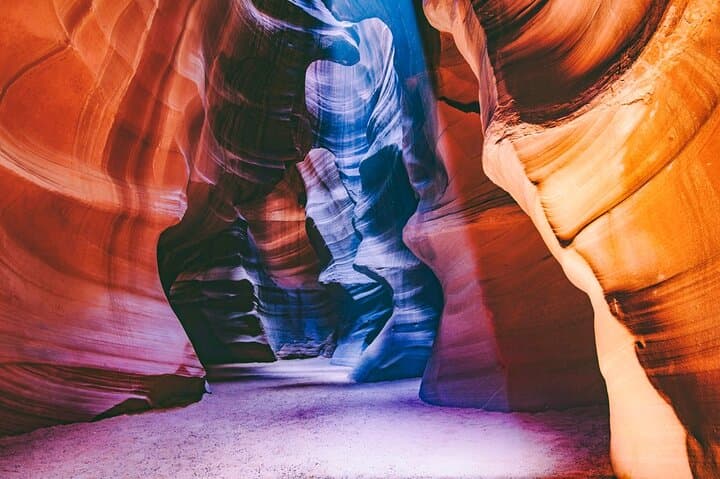
Antelope Canyon sits on Navajo Nation land and visits are guided—the soft, narrow corridors are as much cultural landscape as geological one. Horseshoe Bend demands little more than a short 1.5-mile round-trip walk from the parking area, but the view is immediate and vast—Colorado River below, a ribbon of turquoise curling through rust-colored rock. Lake Powell punctuates the route with wide water and possibilities: guided kayaking is available seasonally and the lake’s shoreline tells a story of fluctuating water levels and human engineering at Glen Canyon Dam.
Practicalities anchor the romance. Expect long drives—Los Angeles to Las Vegas about 4–5 hours, Las Vegas to Zion roughly 2.5–3 hours, and Zion to Bryce about 1.5–2 hours—so pack snacks, a refillable water bottle and motion-sickness remedies if you’re sensitive. Bryce’s altitude can surprise; move slowly, hydrate and layer up—the temperature can swing 20–30°F between canyon bottom and rim. Antelope Canyon tours run on Navajo schedules and closures happen; the operator substitutes Antelope X when Lower Antelope is unavailable.
Comfortable, broken-in hiking shoes are a must; sun protection and a light windproof jacket will keep you comfortable from arid lowlands to chilly high rims. Camera-wise, bring a wide-angle lens and a small tripod for Antelope’s low-light shafts, but listen to guides—tripod rules vary. Plan for early starts to beat the heat and crowds, and leave time in Las Vegas or Page if you want to add a kayak at Lake Powell. The route is theatrical—rock that moves slowly, light that changes quickly, and a landscape that quietly insists you pay attention.
moderate.
4 days (multi-day tour).
Suitable for travelers in average physical condition; involves short walks (1–2 miles) and standing at viewpoints—some sites have uneven trails and moderate elevation changes.
Expect 4–5 hours LA→Las Vegas, ~2.5–3 hours Las Vegas→Zion, ~1.5–2 hours Zion→Bryce, and about 2–3 hours to Page depending on traffic and stops.
Antelope Canyon visits are optional in some itineraries; when included they run as guided tours on Navajo Nation land—confirm which canyon (Lower or X) is scheduled for your travel dates.
Yes—kayaking is seasonal (typically available Mar 20–Oct 23) and offered at additional cost; check availability and book early in summer months.
Children are allowed but those under 6 may require booster seats per state law; strollers are not practical at canyon viewpoints—expect short walks on uneven terrain.
A wide-angle lens, neutral density filter for long exposures on the river, and a small tripod—note that tripod rules inside Antelope Canyon vary by tour operator.
Full refund if canceled at least 6 days before departure; 50% refund 2–6 days prior; no refund within 2 days—check exact terms when booking.
This corridor crosses ancestral Navajo lands and pioneering routes of settlers; the slot canyons and river systems shaped life here for Indigenous people long before tourism.
Visitors are asked to stay on trails, pack out trash and respect Navajo Nation regulations; water conservation and reduced vehicle idling help protect fragile desert ecosystems.
Jupiter Legend Corporation operates guided outdoor trips and adventures with an emphasis on safety, stewardship, and memorable experiences.

The bus peels out of Los Angeles with the city’s smudged skyline receding behind, and within hours the neon of Las Vegas gives way to a flat, sun-baked sweep of the Mojave. By the second day the landscape transforms—sandstone cliffs rise like pages turned in slow motion as you enter Utah’s high desert. The air sharpens; the rock takes on bands of cream, salmon and rust that change with the angle of the sun, daring you to stop and stare.
The bus peels out of Los Angeles with the city’s smudged skyline receding behind, and within hours the neon of Las Vegas gives way to a flat, sun-baked sweep of the Mojave. By the second day the landscape transforms—sandstone cliffs rise like pages turned in slow motion as you enter Utah’s high desert. The air sharpens; the rock takes on bands of cream, salmon and rust that change with the angle of the sun, daring you to stop and stare.
This four-day loop stitches together three of the Southwest’s most photographed places: Zion National Park, where steep canyon walls fold into narrow slots and cottonwoods cling to riverbanks; Bryce Canyon, an amphitheater of hoodoos sitting at 8,000–9,000 feet where frost has carved spires into lacework; and the otherworldly curves of Lower Antelope Canyon and the vertiginous sweep of Horseshoe Bend near Page and Lake Powell. Geology here reads like slow motion: uplifted plateaus, volcanic ash layers, and millennia of water and frost sculpting the sandstone into cliffs, fins and chimneys.
Antelope Canyon sits on Navajo Nation land and visits are guided—the soft, narrow corridors are as much cultural landscape as geological one. Horseshoe Bend demands little more than a short 1.5-mile round-trip walk from the parking area, but the view is immediate and vast—Colorado River below, a ribbon of turquoise curling through rust-colored rock. Lake Powell punctuates the route with wide water and possibilities: guided kayaking is available seasonally and the lake’s shoreline tells a story of fluctuating water levels and human engineering at Glen Canyon Dam.
Practicalities anchor the romance. Expect long drives—Los Angeles to Las Vegas about 4–5 hours, Las Vegas to Zion roughly 2.5–3 hours, and Zion to Bryce about 1.5–2 hours—so pack snacks, a refillable water bottle and motion-sickness remedies if you’re sensitive. Bryce’s altitude can surprise; move slowly, hydrate and layer up—the temperature can swing 20–30°F between canyon bottom and rim. Antelope Canyon tours run on Navajo schedules and closures happen; the operator substitutes Antelope X when Lower Antelope is unavailable.
Comfortable, broken-in hiking shoes are a must; sun protection and a light windproof jacket will keep you comfortable from arid lowlands to chilly high rims. Camera-wise, bring a wide-angle lens and a small tripod for Antelope’s low-light shafts, but listen to guides—tripod rules vary. Plan for early starts to beat the heat and crowds, and leave time in Las Vegas or Page if you want to add a kayak at Lake Powell. The route is theatrical—rock that moves slowly, light that changes quickly, and a landscape that quietly insists you pay attention.