THE ADVENTURE COLLECTIVE® · Independent discovery and booking for outdoor travel

In a single, long day from Las Vegas you can stand among Bryce Canyon’s hoodoos and peer up at Zion’s towering red walls. This small-group van tour packs two of Utah’s most iconic parks into a guided, photography-ready day.
In a single, long day from Las Vegas you can stand among Bryce Canyon’s hoodoos and peer up at Zion’s towering red walls. This small-group van tour packs two of Utah’s most iconic parks into a guided, photography-ready day.
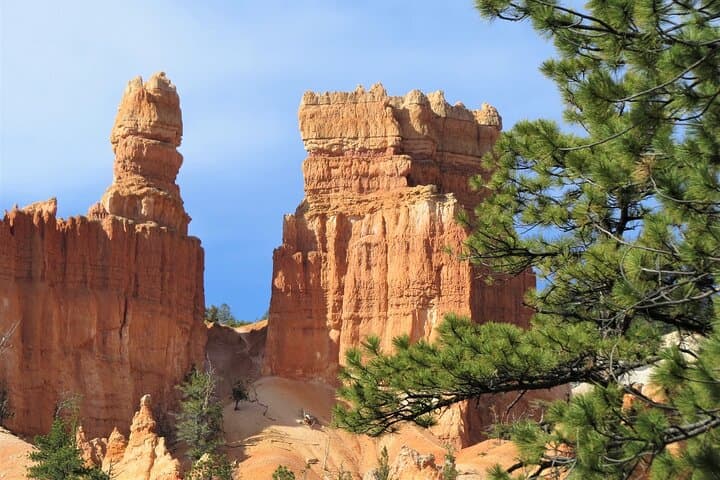
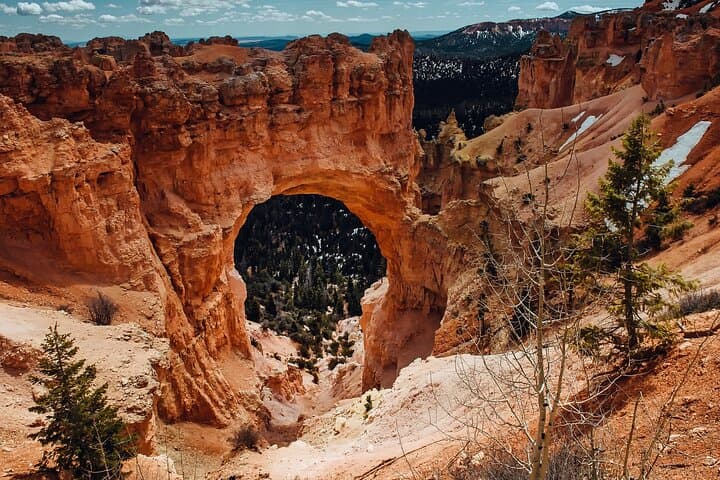
A pre-dawn van idles on the Strip while passengers rub sleep from their eyes and sip coffee — the desert is waking faster than Vegas. By mid-morning the group is parked at Bryce Canyon’s rim, where tens of thousands of weather-sculpted spires tilt and stack in colors that push the light into oranges and rust. Two hours here means brisk viewpoint stops: Bryce Amphitheater, Sunrise Point, and a quick walk along the rim where hoodoos stretch like a city of earthen columns daring the sky.
Verified experiences and guided adventures in the surrounding area.
Operated by MARVIT TOURS LLC · Bryce Canyon City, Utah
A pre-dawn van idles on the Strip while passengers rub sleep from their eyes and sip coffee — the desert is waking faster than Vegas. By mid-morning the group is parked at Bryce Canyon’s rim, where tens of thousands of weather-sculpted spires tilt and stack in colors that push the light into oranges and rust. Two hours here means brisk viewpoint stops: Bryce Amphitheater, Sunrise Point, and a quick walk along the rim where hoodoos stretch like a city of earthen columns daring the sky.
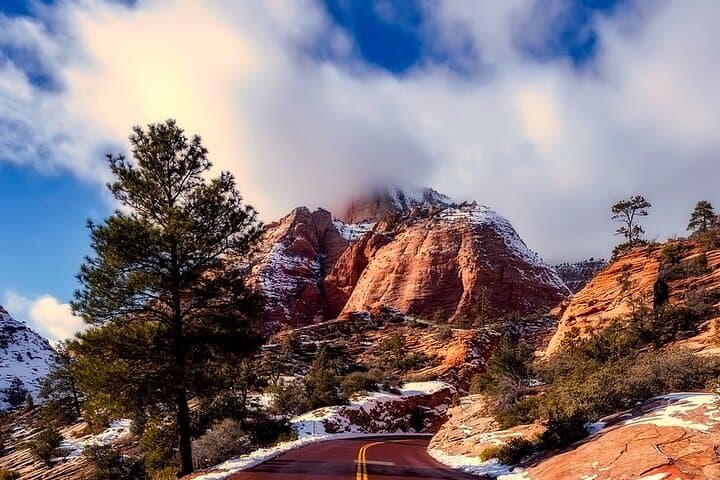
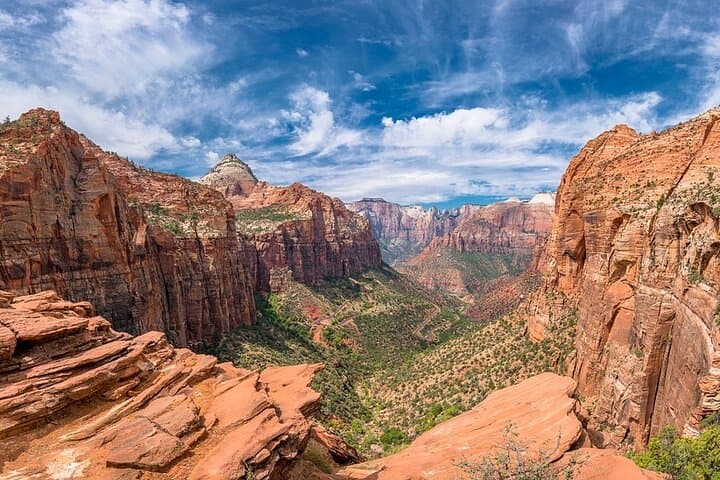
Hours later the route turns west and the landscape rearranges itself: plateaus give way to sheer, red walls as the van threads Zion’s approach road. A stop at the Zion Visitor Center or Canyon Overlook is less about mileage and more about scale — the Navajo Sandstone cliffs here have been lifted and washed into canyons that swallow sound and make footsteps feel small.
Geology is the quiet star of the day. Bryce’s hoodoos are products of the Claron Formation and relentless freeze-thaw cycles that pry rock apart; Zion’s deep canyons trace the Virgin River cutting downward through tilted sandstone layers. Human history threads through both parks: Southern Paiute bands camped, hunted, and named the places long before they were set aside as public lands.
This small-group tour balances easy access with photographic payoff. Expect roughly 12–14 hours door-to-door from Las Vegas with about two hours of walking time at each park and several short, guided viewpoint stops. The van ride is part of the experience — vast high desert and juniper-scalloped benches roll by as a guide highlights geology and park lore and handles entrance logistics.
Practical edge: wear broken-in hiking shoes for uneven rim trails, bring 2–3 liters of water (desert sun and elevation can sneak up on you), and layer for a 20–40°F swing between the Strip and the parks. Sunscreen, a wide-brim hat, and a compact daypack are non-negotiable. If you want extra frames, charge batteries and carry a telephoto for canyon textures and a wide-angle for amphitheater shots.
Timing matters. Sunrise and late afternoon yield the best light at Bryce; midday can flatten color but works for Zion’s shaded canyons. For crowds, weekdays and shoulder seasons (spring, fall) are quieter.
For travelers pressed for time, this one-day loop is efficient: it folds two of Utah’s most dramatic public lands into a single, well-orchestrated day. The van brings you to the viewpoints; the parks bring the moments that linger long after you’re back under the neon.
moderate.
12–14 hours.
Normal fitness for long days and short walks; be comfortable standing and walking on uneven ground for up to two hours at each park.
Pickup is offered from many Las Vegas hotels on the Strip and downtown; confirm your hotel at booking.
Yes — National Park admission fees are included in the tour price.
Each park visit includes short walks from parking areas to viewpoints — expect 1–2 hours of light walking per park on mostly maintained trails.
Bottled water is provided; bring snacks or a light lunch as the schedule is tight and on-the-go options are limited.
The tour is generally family-friendly but involves long vehicle time and some walking; check medical considerations for those with mobility or heart issues.
Bring a wide-angle lens for amphitheaters, a short telephoto for details, extra batteries, and a small tripod for sunrise/sunset shots.
Southern Paiute communities lived and traveled these plateaus and canyons for centuries; the parks preserve both natural features and cultural sites. Bryce and Zion became national parks in the early 20th century, protecting unique geologic landscapes.
Both parks face increasing visitation and resource pressure; stay on marked trails, pack out trash, and follow Leave No Trace to protect fragile soils and cryptobiotic crusts.
MARVIT TOURS LLC operates guided outdoor trips and adventures with an emphasis on safety, stewardship, and memorable experiences.
A pre-dawn van idles on the Strip while passengers rub sleep from their eyes and sip coffee — the desert is waking faster than Vegas. By mid-morning the group is parked at Bryce Canyon’s rim, where tens of thousands of weather-sculpted spires tilt and stack in colors that push the light into oranges and rust. Two hours here means brisk viewpoint stops: Bryce Amphitheater, Sunrise Point, and a quick walk along the rim where hoodoos stretch like a city of earthen columns daring the sky.
A pre-dawn van idles on the Strip while passengers rub sleep from their eyes and sip coffee — the desert is waking faster than Vegas. By mid-morning the group is parked at Bryce Canyon’s rim, where tens of thousands of weather-sculpted spires tilt and stack in colors that push the light into oranges and rust. Two hours here means brisk viewpoint stops: Bryce Amphitheater, Sunrise Point, and a quick walk along the rim where hoodoos stretch like a city of earthen columns daring the sky.
Hours later the route turns west and the landscape rearranges itself: plateaus give way to sheer, red walls as the van threads Zion’s approach road. A stop at the Zion Visitor Center or Canyon Overlook is less about mileage and more about scale — the Navajo Sandstone cliffs here have been lifted and washed into canyons that swallow sound and make footsteps feel small.
Geology is the quiet star of the day. Bryce’s hoodoos are products of the Claron Formation and relentless freeze-thaw cycles that pry rock apart; Zion’s deep canyons trace the Virgin River cutting downward through tilted sandstone layers. Human history threads through both parks: Southern Paiute bands camped, hunted, and named the places long before they were set aside as public lands.
This small-group tour balances easy access with photographic payoff. Expect roughly 12–14 hours door-to-door from Las Vegas with about two hours of walking time at each park and several short, guided viewpoint stops. The van ride is part of the experience — vast high desert and juniper-scalloped benches roll by as a guide highlights geology and park lore and handles entrance logistics.
Practical edge: wear broken-in hiking shoes for uneven rim trails, bring 2–3 liters of water (desert sun and elevation can sneak up on you), and layer for a 20–40°F swing between the Strip and the parks. Sunscreen, a wide-brim hat, and a compact daypack are non-negotiable. If you want extra frames, charge batteries and carry a telephoto for canyon textures and a wide-angle for amphitheater shots.
Timing matters. Sunrise and late afternoon yield the best light at Bryce; midday can flatten color but works for Zion’s shaded canyons. For crowds, weekdays and shoulder seasons (spring, fall) are quieter.
For travelers pressed for time, this one-day loop is efficient: it folds two of Utah’s most dramatic public lands into a single, well-orchestrated day. The van brings you to the viewpoints; the parks bring the moments that linger long after you’re back under the neon.