THE ADVENTURE COLLECTIVE® · Independent discovery and booking for outdoor travel

Spend a slow day among stone bridges and Ming‑era shopfronts in Zhujiajiao, then head to a nearby family farm to pick seasonal fruit. This private, guide‑led outing pairs cultural walking with hands‑on agritourism—ideal for travelers seeking an easy day trip from Shanghai.
Spend a slow day among stone bridges and Ming‑era shopfronts in Zhujiajiao, then head to a nearby family farm to pick seasonal fruit. This private, guide‑led outing pairs cultural walking with hands‑on agritourism—ideal for travelers seeking an easy day trip from Shanghai.
You step off the air‑conditioned car onto flagstone alleys where canal water nudges the wooden hulls of long‑served boats. A guide leads you past Ming and Qing facades—gray bricks, carved eaves—that lean toward narrow canals as if eavesdropping on the water’s gossip.
Verified experiences and guided adventures in the surrounding area.
Operated by Sunny Private Tours · Zhujiajiao, Shanghai
You step off the air‑conditioned car onto flagstone alleys where canal water nudges the wooden hulls of long‑served boats. A guide leads you past Ming and Qing facades—gray bricks, carved eaves—that lean toward narrow canals as if eavesdropping on the water’s gossip.
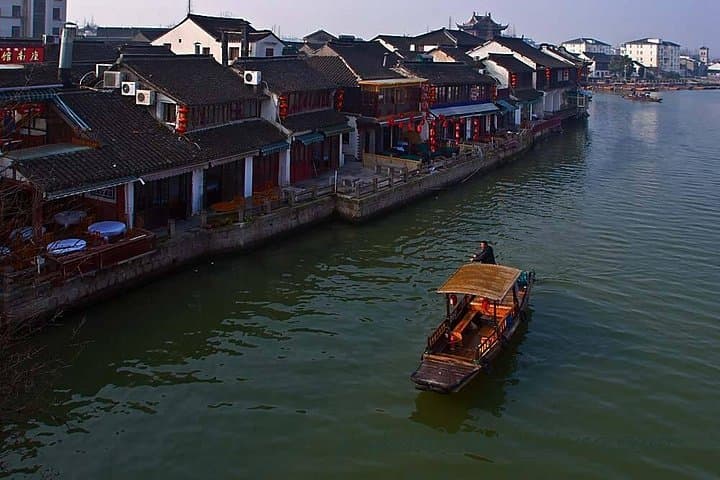
Zhujiajiao sits in Shanghai’s Qingpu District and grew around a network of canals and bridges that date back several centuries. The town’s stone bridges and lanes reflect regional Jiangnan architecture; beneath the tourist footfall, local life continues in riverside markets, tea houses and small family farms that supply the city. Geologically the area is flat alluvial plain reclaimed and shaped by centuries of water management, which is why canals still define circulation and agriculture here.
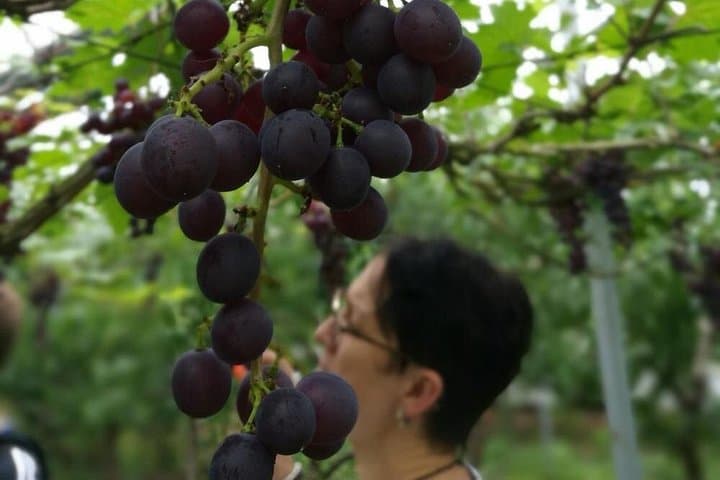
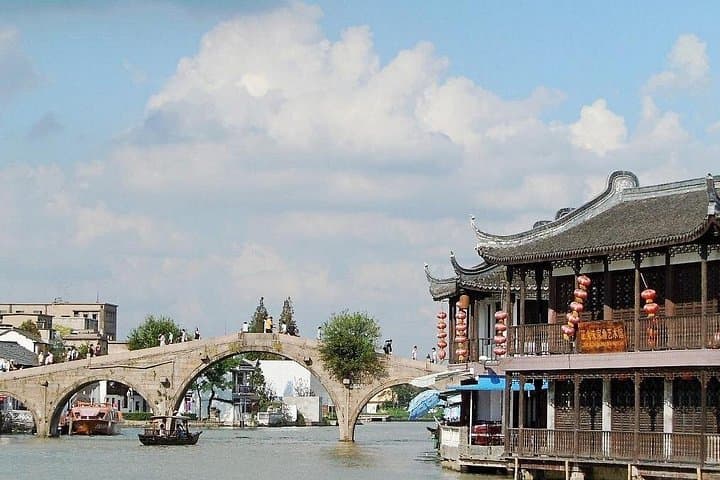
Expect a day split between slow wandering in the town—photo ops at Fangsheng Bridge, a stop in a traditional teahouse—and an afternoon at a nearby farm where seasonal fruit and vegetables are ripe for picking. The farm visit is hands‑on: you’ll harvest and take home a small allowance of produce. The outing is private and guide‑led, so pacing is gentle and questions about local customs are welcome.
Practical notes: wear sturdy, dry‑grip shoes for slippery alleys, bring a sun hat and reusable water bottle, and time your visit outside peak midday crowds (early morning or late afternoon is quieter). If rain is forecast, a lightweight rain shell helps—alleys can get slick. This is a low‑impact, accessible way to combine cultural walking with simple agritourism close to Shanghai.
easy.
6–7 hours.
Minimal fitness required—sustained walking on flat, uneven stone surfaces and short standing periods.
Yes; the tour price listed includes the Zhujiajiao entrance fee.
The tour includes free taking of about half a kilo of fruit or vegetables from the farm.
Yes; a private driver in an air‑conditioned car will pick you up and return you to your hotel.
The tour is stroller accessible and suitable for most families, but children must be accompanied by an adult.
Zhujiajiao’s bridges and shopfronts reflect centuries of Jiangnan canal culture, with much of the visible architecture dating from the Ming and Qing periods.
Visitors should avoid littering and respect farm harvesting rules; supporting local eateries and farms helps keep traditional livelihoods viable.
Sunny Private Tours operates guided outdoor trips and adventures with an emphasis on safety, stewardship, and memorable experiences.
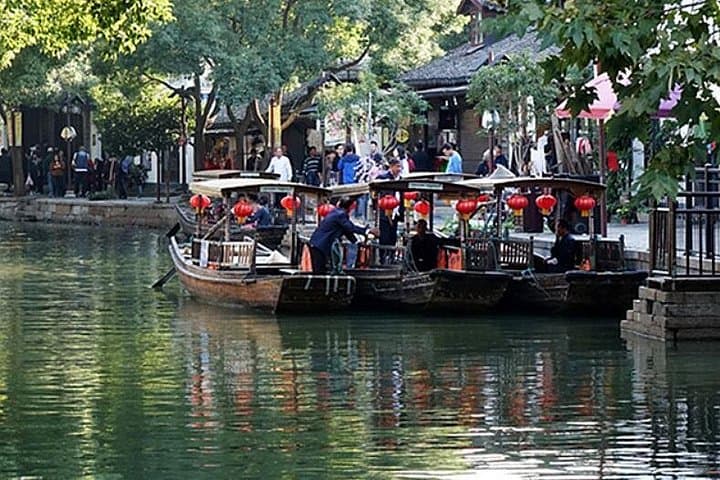
You step off the air‑conditioned car onto flagstone alleys where canal water nudges the wooden hulls of long‑served boats. A guide leads you past Ming and Qing facades—gray bricks, carved eaves—that lean toward narrow canals as if eavesdropping on the water’s gossip.
You step off the air‑conditioned car onto flagstone alleys where canal water nudges the wooden hulls of long‑served boats. A guide leads you past Ming and Qing facades—gray bricks, carved eaves—that lean toward narrow canals as if eavesdropping on the water’s gossip.
Zhujiajiao sits in Shanghai’s Qingpu District and grew around a network of canals and bridges that date back several centuries. The town’s stone bridges and lanes reflect regional Jiangnan architecture; beneath the tourist footfall, local life continues in riverside markets, tea houses and small family farms that supply the city. Geologically the area is flat alluvial plain reclaimed and shaped by centuries of water management, which is why canals still define circulation and agriculture here.
Expect a day split between slow wandering in the town—photo ops at Fangsheng Bridge, a stop in a traditional teahouse—and an afternoon at a nearby farm where seasonal fruit and vegetables are ripe for picking. The farm visit is hands‑on: you’ll harvest and take home a small allowance of produce. The outing is private and guide‑led, so pacing is gentle and questions about local customs are welcome.
Practical notes: wear sturdy, dry‑grip shoes for slippery alleys, bring a sun hat and reusable water bottle, and time your visit outside peak midday crowds (early morning or late afternoon is quieter). If rain is forecast, a lightweight rain shell helps—alleys can get slick. This is a low‑impact, accessible way to combine cultural walking with simple agritourism close to Shanghai.