THE ADVENTURE COLLECTIVE® · Independent discovery and booking for outdoor travel

Float under old stone bridges and learn to fold local dumplings in Zhujiajiao, a 1,700-year-old water town west of Shanghai. This day trip combines a gentle boat ride with market strolls, temple visits, and an optional hands-on culinary session.
Float under old stone bridges and learn to fold local dumplings in Zhujiajiao, a 1,700-year-old water town west of Shanghai. This day trip combines a gentle boat ride with market strolls, temple visits, and an optional hands-on culinary session.
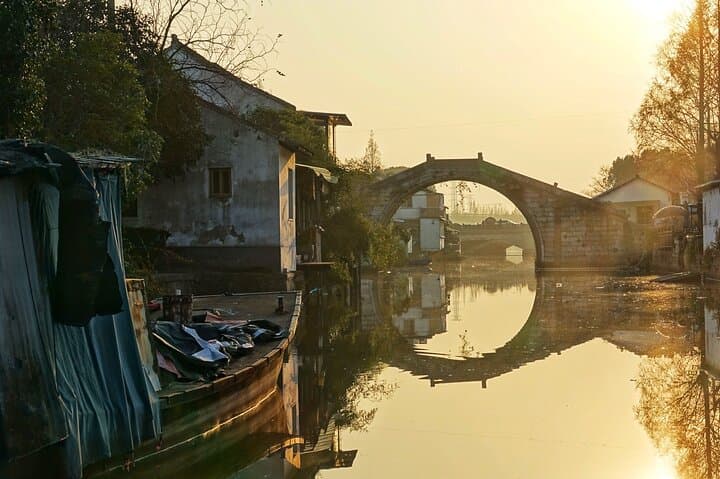
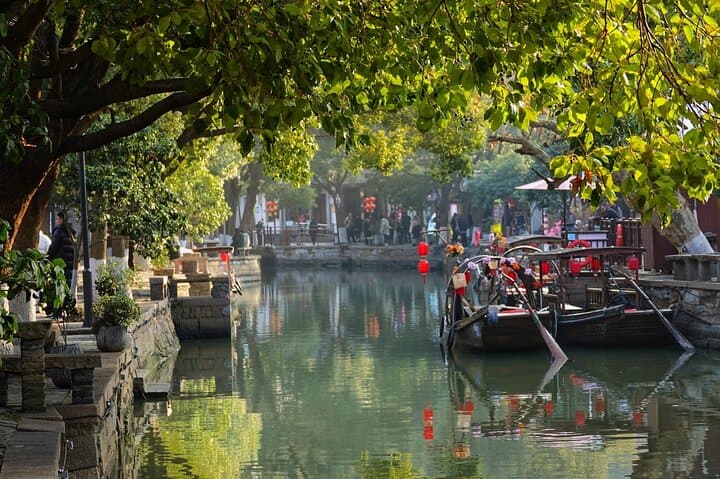
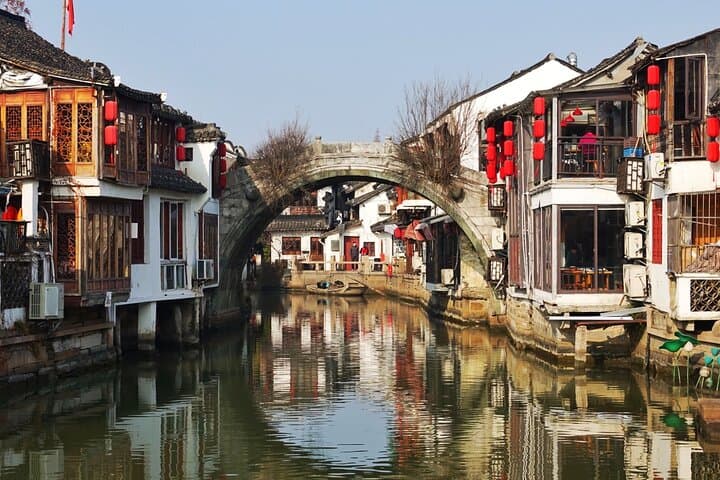
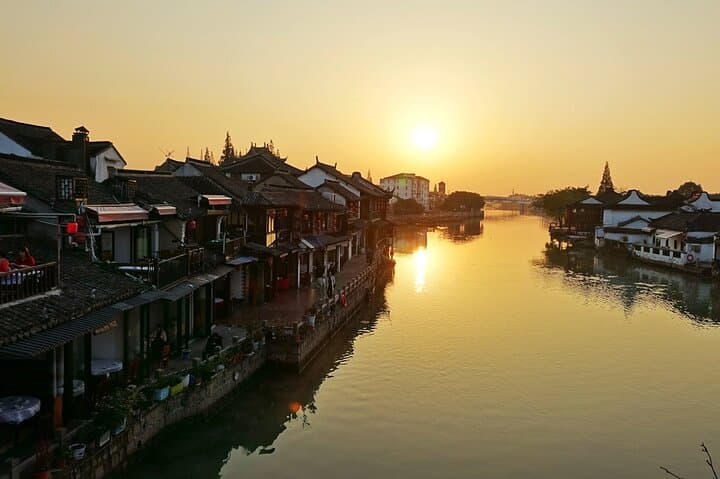
A narrow canal parts the town like a silver ribbon; a wooden skiff eases forward and the water seems to dare you to slow down. In Zhujiajiao, bridges stack like pages of a book and the sound of oars keeps time with the chatter of markets and temple bells.
Verified experiences and guided adventures in the surrounding area.
Operated by iTour Shanghai · Zhujiajiao (Qingpu District), Shanghai
A narrow canal parts the town like a silver ribbon; a wooden skiff eases forward and the water seems to dare you to slow down. In Zhujiajiao, bridges stack like pages of a book and the sound of oars keeps time with the chatter of markets and temple bells.
The town dates back roughly 1,700 years and sits in Shanghai’s Qingpu district where river-channel geology shaped human settlement — shallow waterways, bluestone lanes, and compact two-story houses built to face the water. Local crafts—embroidery, woodcarving, freshwater pearl jewelry—reflect a river economy that once moved goods between Jiangnan villages. Temples like Chenghuang honor city guardians; private gardens, such as Kezhi (Garden of Inseparable Hearts), preserve Ming and Qing-era design and domestic artifacts.
On this day trip you’ll glide past arched bridges, hop small markets, and optionally join a Watertown aunt for a hands-on dumpling session that ties food, history, and ritual together. The boat stretches the pace; the dumpling lesson pulls you into a living kitchen where rice wine and regional fillings explain more than guidebooks can.
Practical guidance: expect 5–8 hours depending on transport choices; bring cash for small stalls, wear non-slip shoes for wet stone bridges, and plan early or late in the day to avoid peak crowds. If you take public transit from central Shanghai, add roughly 90 minutes each way. The experience suits easy fitness levels and travelers wanting low-impact cultural immersion with an outdoor focus.
easy.
5–8 hours.
Suitable for most fitness levels; involves short walks on uneven stone and sitting in boats for up to 30 minutes at a stretch
You can take the metro and local bus (about 1.5 hours), or book a private car for a faster, door-to-door option; many tours include round-trip transport.
Yes—boats are short, slow, and staffed by experienced rowers; infants and seniors should take care boarding and bring jackets for cool breezes.
Yes—most operators can accommodate vegetarian or allergy-friendly fillings if you indicate restrictions at booking time.
Some gardens have steps and narrow paths; accessibility varies—check with the operator ahead of time to arrange closer access or alternate viewpoints.
Zhujiajiao developed as a river trading post in the Jiangnan region and grew wealthy through salt, grain and silk trade; many surviving gardens and houses date to Ming and Qing periods.
Water quality and heritage preservation are local concerns; visitors can help by minimizing plastic waste, sticking to paths, and supporting licensed craft workshops.
iTour Shanghai operates guided outdoor trips and adventures with an emphasis on safety, stewardship, and memorable experiences.
A narrow canal parts the town like a silver ribbon; a wooden skiff eases forward and the water seems to dare you to slow down. In Zhujiajiao, bridges stack like pages of a book and the sound of oars keeps time with the chatter of markets and temple bells.
A narrow canal parts the town like a silver ribbon; a wooden skiff eases forward and the water seems to dare you to slow down. In Zhujiajiao, bridges stack like pages of a book and the sound of oars keeps time with the chatter of markets and temple bells.
The town dates back roughly 1,700 years and sits in Shanghai’s Qingpu district where river-channel geology shaped human settlement — shallow waterways, bluestone lanes, and compact two-story houses built to face the water. Local crafts—embroidery, woodcarving, freshwater pearl jewelry—reflect a river economy that once moved goods between Jiangnan villages. Temples like Chenghuang honor city guardians; private gardens, such as Kezhi (Garden of Inseparable Hearts), preserve Ming and Qing-era design and domestic artifacts.
On this day trip you’ll glide past arched bridges, hop small markets, and optionally join a Watertown aunt for a hands-on dumpling session that ties food, history, and ritual together. The boat stretches the pace; the dumpling lesson pulls you into a living kitchen where rice wine and regional fillings explain more than guidebooks can.
Practical guidance: expect 5–8 hours depending on transport choices; bring cash for small stalls, wear non-slip shoes for wet stone bridges, and plan early or late in the day to avoid peak crowds. If you take public transit from central Shanghai, add roughly 90 minutes each way. The experience suits easy fitness levels and travelers wanting low-impact cultural immersion with an outdoor focus.