THE ADVENTURE COLLECTIVE® · Independent discovery and booking for outdoor travel

Step onto a 2,000-square-foot game floor where wireless headsets let you roam freely through cooperative VR worlds. Fast, social, and accessible, sessions are short but high-energy—perfect for groups, parties, and team-building.
Step onto a 2,000-square-foot game floor where wireless headsets let you roam freely through cooperative VR worlds. Fast, social, and accessible, sessions are short but high-energy—perfect for groups, parties, and team-building.
The air hums with quiet anticipation as players step from downtown Austin into a 2,000-square-foot game floor, wireless headsets in hand and open space ahead. Movement replaces thumbstick navigation; teammates scatter and regroup, and the room becomes an improvised battlefield, escape room, or sci‑fi frontier depending on the game selected.
Verified experiences and guided adventures in the surrounding area.
Operated by Taylor Young · Austin, Texas
The air hums with quiet anticipation as players step from downtown Austin into a 2,000-square-foot game floor, wireless headsets in hand and open space ahead. Movement replaces thumbstick navigation; teammates scatter and regroup, and the room becomes an improvised battlefield, escape room, or sci‑fi frontier depending on the game selected.
Austin’s rise as a tech and live‑entertainment hub makes it a natural home for large‑format VR. Zero Latency’s system favors free-roam multiplayer—up to eight people can navigate synced virtual worlds that map to the real floor. The venue’s concrete bones and industrial lighting recall Austin’s post‑industrial corridors, while the games borrow influences from shooter, puzzle, and cooperative genres.
Expect short, intense sessions (standard bookings run 30 minutes) that emphasize mobility, spatial awareness, and teamwork rather than endurance. The experience is sensory: audio cues pull players toward objectives, haptic feedback underlines impacts, and stair-step pacing alternates bursts of sprinting with careful tactical pauses. Staff typically brief groups on safety, fit headsets, and monitor play—accessibility options and stroller/wheelchair accommodations are common.
Practical advice: arrive 10–15 minutes early for check‑in, wear close‑toed shoes and comfortable clothing, and consider ginger or anti‑nausea measures if you’re prone to motion sickness. Larger groups should reserve private blocks to avoid wait times. For downtown visitors, pair a session with nearby food trucks or an evening at South Congress; public transit and rideshares keep the trip simple. This is a compact, social high‑adrenaline activity—digestible in half an hour but memorable in its intensity.
easy.
30 minutes.
Basic mobility and the ability to walk and turn quickly; suitable for most fitness levels.
Standard sessions are 30 minutes of gameplay with additional time for check‑in and a safety briefing—plan for a 45‑minute visit overall.
Yes; the venue lists wheelchair‑accessible surfaces and offers accommodations—notify staff when booking to arrange suitable play options.
Age policies vary by game and operator; many locations allow younger players with guardian consent—check with the venue when booking.
Yes; the arena supports private bookings and corporate or birthday events—reserve in advance to secure contiguous slots for larger groups.
Austin’s entertainment scene evolved alongside its tech boom; experiential venues like VR arenas are part of a broader shift toward interactive, tech-driven leisure.
Urban venues often emphasize sanitation and gear longevity; opt for public transit or rideshares to reduce trip emissions and ask staff about electronic-waste disposal programs.
Taylor Young operates guided outdoor trips and adventures with an emphasis on safety, stewardship, and memorable experiences.
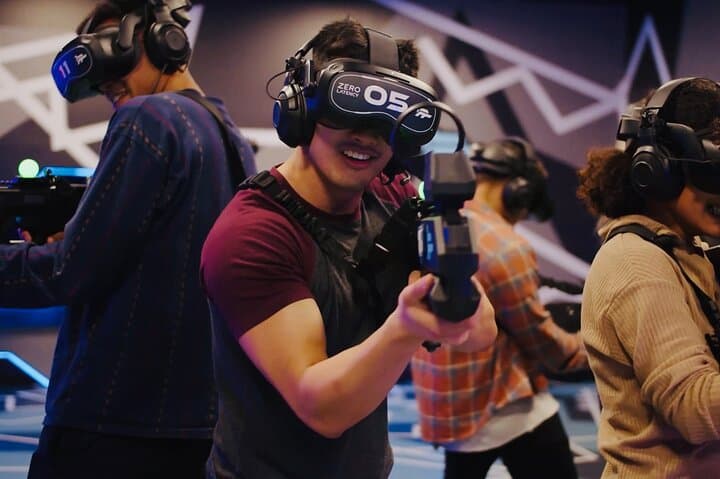
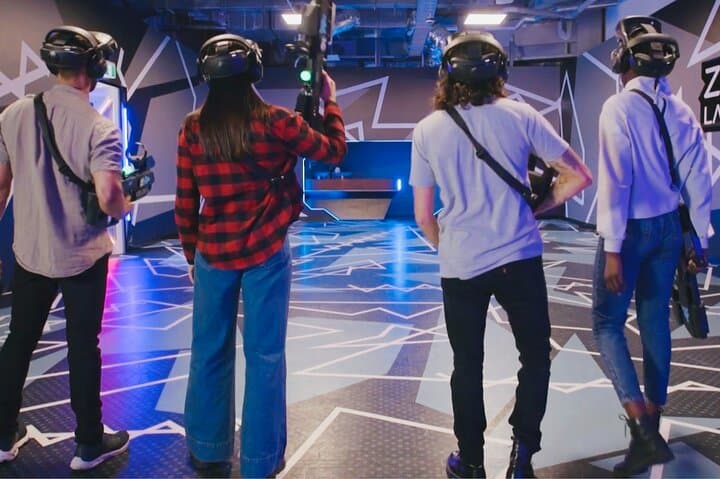
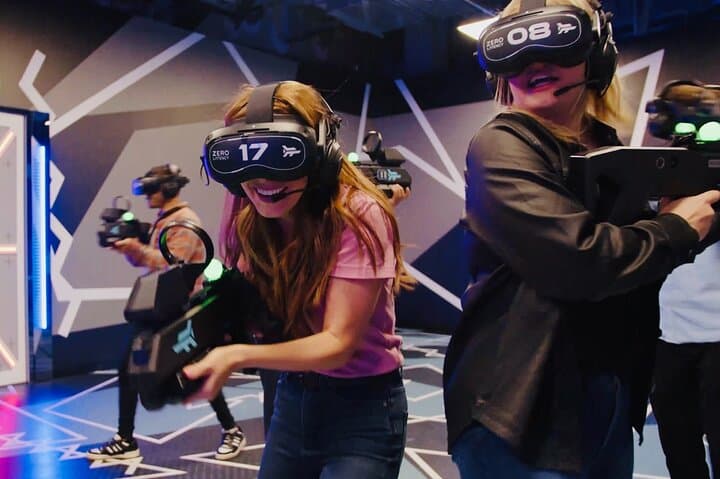
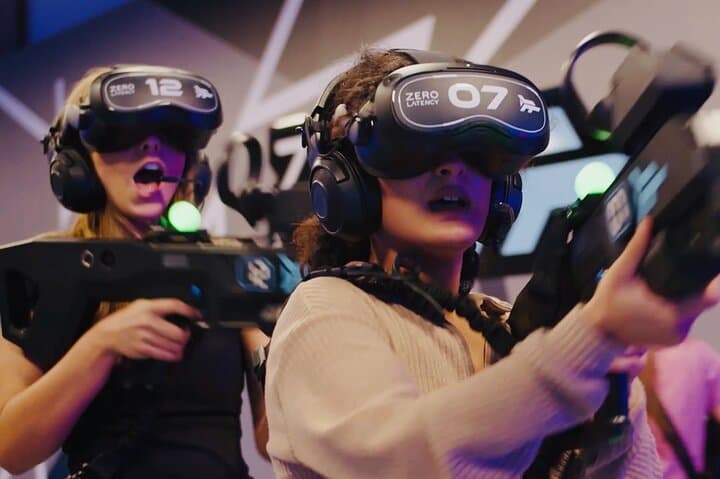
The air hums with quiet anticipation as players step from downtown Austin into a 2,000-square-foot game floor, wireless headsets in hand and open space ahead. Movement replaces thumbstick navigation; teammates scatter and regroup, and the room becomes an improvised battlefield, escape room, or sci‑fi frontier depending on the game selected.
The air hums with quiet anticipation as players step from downtown Austin into a 2,000-square-foot game floor, wireless headsets in hand and open space ahead. Movement replaces thumbstick navigation; teammates scatter and regroup, and the room becomes an improvised battlefield, escape room, or sci‑fi frontier depending on the game selected.
Austin’s rise as a tech and live‑entertainment hub makes it a natural home for large‑format VR. Zero Latency’s system favors free-roam multiplayer—up to eight people can navigate synced virtual worlds that map to the real floor. The venue’s concrete bones and industrial lighting recall Austin’s post‑industrial corridors, while the games borrow influences from shooter, puzzle, and cooperative genres.
Expect short, intense sessions (standard bookings run 30 minutes) that emphasize mobility, spatial awareness, and teamwork rather than endurance. The experience is sensory: audio cues pull players toward objectives, haptic feedback underlines impacts, and stair-step pacing alternates bursts of sprinting with careful tactical pauses. Staff typically brief groups on safety, fit headsets, and monitor play—accessibility options and stroller/wheelchair accommodations are common.
Practical advice: arrive 10–15 minutes early for check‑in, wear close‑toed shoes and comfortable clothing, and consider ginger or anti‑nausea measures if you’re prone to motion sickness. Larger groups should reserve private blocks to avoid wait times. For downtown visitors, pair a session with nearby food trucks or an evening at South Congress; public transit and rideshares keep the trip simple. This is a compact, social high‑adrenaline activity—digestible in half an hour but memorable in its intensity.