THE ADVENTURE COLLECTIVE® · Independent discovery and booking for outdoor travel

Glide through Kyoto in a private electric car with a local guide—see Fushimi Inari’s torii, the Imperial Palace, and Kinkaku‑ji in a flexible 3–4 hour itinerary. Perfect for small groups who want efficient, low‑emission cultural touring with insider context.
Glide through Kyoto in a private electric car with a local guide—see Fushimi Inari’s torii, the Imperial Palace, and Kinkaku‑ji in a flexible 3–4 hour itinerary. Perfect for small groups who want efficient, low‑emission cultural touring with insider context.
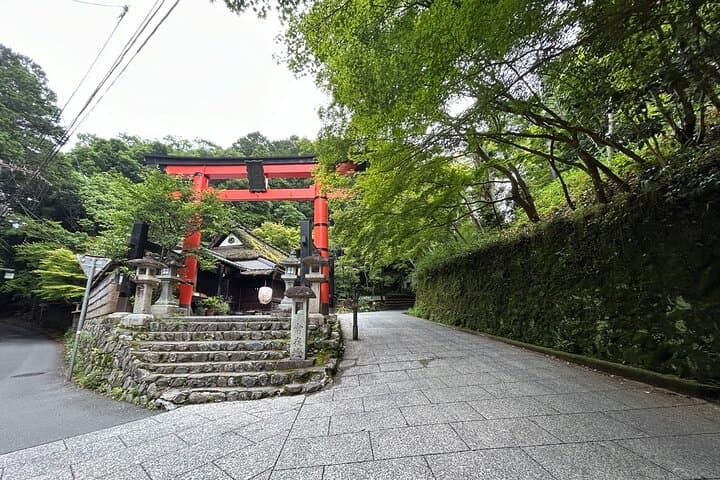
You step into a quiet electric sedan as Kyoto wakes: narrow streets framed by wooden machiya, the Kamo River nudging the city’s edge, and the low hum of the motor replacing engine noise. Your guide slides open a tablet map and the car glides toward a first stop—torii gates that march up a hillside, then a gilded pavilion catching light like a held coin.
Verified experiences and guided adventures in the surrounding area.
Operated by TonTon Travel · Kyoto, Kyoto Prefecture
You step into a quiet electric sedan as Kyoto wakes: narrow streets framed by wooden machiya, the Kamo River nudging the city’s edge, and the low hum of the motor replacing engine noise. Your guide slides open a tablet map and the car glides toward a first stop—torii gates that march up a hillside, then a gilded pavilion catching light like a held coin.
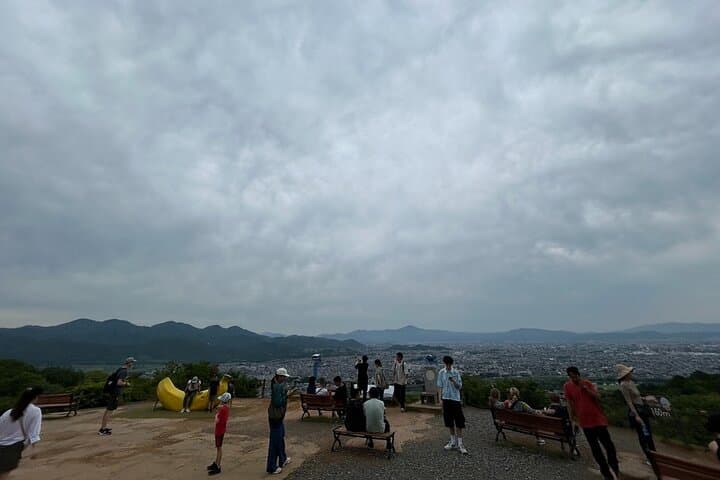
Kyoto’s streets follow patterns set when it was Japan’s capital from 794 to 1868. The city sits in a basin ringed by low mountains; granite ridgelines feed streams that cut terraces into temple gardens. Shrines and temples here record layers of political and artistic history—from Heian court rituals to Momoyama-era castles and Zen landscapes refined by tea-culture patrons.
Culturally the tour cycles between public ritual and private aesthetics: the crowds at Fushimi Inari give way to the quiet geometry of Kodaiji’s gardens and the courtly rooms of the Imperial Palace. Guides often point out inscriptions on torii, shrine fox statues, and the seasonal rituals that shape local life—cherry-blossom light-ups in spring, maple viewing in autumn.
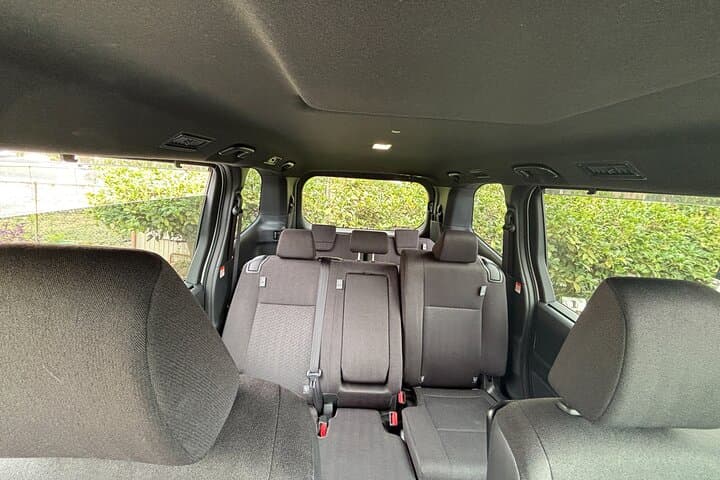
Practically, expect a flexible 3–4 hour itinerary, door-to-door pickup, onboard Wi‑Fi and bottled water, and inclusion of stated entrance fees. The vehicle is best for small parties—up to three adults or four with a child—due to rear seat space. Walks at each site vary from paved paths to short uphill trails; wear comfortable shoes and plan mornings to dodge peak crowds. Respect shrine etiquette (remove hats, keep voices low) and note cancellation is refundable with 24‑hour notice. The electric car minimizes urban noise and emissions—letting the city speak for itself.
moderate.
3–4 hours.
Light to moderate fitness; involves short to moderate walks at each stop and some uphill steps
The vehicle comfortably fits up to three adults, or up to four if one passenger is a child, due to rear seat space limitations.
Entrance tickets listed in the sample itinerary are included; additional sites requested during the tour may incur extra fees.
Yes—transportation and many meeting points are wheelchair accessible, but some temple grounds include steps or uneven paths; please notify your guide in advance.
Full refund available if you cancel at least 24 hours before the scheduled departure; within 24 hours no refund is issued.
Kyoto was Japan’s imperial capital for over a millennium; many sites reflect shifts from courtly Heian aesthetics to later Zen and Momoyama patronage.
Choosing an electric vehicle reduces urban emissions and noise; visitors should follow site rules to protect fragile temple gardens and historic structures.
TonTon Travel operates guided outdoor trips and adventures with an emphasis on safety, stewardship, and memorable experiences.
You step into a quiet electric sedan as Kyoto wakes: narrow streets framed by wooden machiya, the Kamo River nudging the city’s edge, and the low hum of the motor replacing engine noise. Your guide slides open a tablet map and the car glides toward a first stop—torii gates that march up a hillside, then a gilded pavilion catching light like a held coin.
You step into a quiet electric sedan as Kyoto wakes: narrow streets framed by wooden machiya, the Kamo River nudging the city’s edge, and the low hum of the motor replacing engine noise. Your guide slides open a tablet map and the car glides toward a first stop—torii gates that march up a hillside, then a gilded pavilion catching light like a held coin.
Kyoto’s streets follow patterns set when it was Japan’s capital from 794 to 1868. The city sits in a basin ringed by low mountains; granite ridgelines feed streams that cut terraces into temple gardens. Shrines and temples here record layers of political and artistic history—from Heian court rituals to Momoyama-era castles and Zen landscapes refined by tea-culture patrons.
Culturally the tour cycles between public ritual and private aesthetics: the crowds at Fushimi Inari give way to the quiet geometry of Kodaiji’s gardens and the courtly rooms of the Imperial Palace. Guides often point out inscriptions on torii, shrine fox statues, and the seasonal rituals that shape local life—cherry-blossom light-ups in spring, maple viewing in autumn.
Practically, expect a flexible 3–4 hour itinerary, door-to-door pickup, onboard Wi‑Fi and bottled water, and inclusion of stated entrance fees. The vehicle is best for small parties—up to three adults or four with a child—due to rear seat space. Walks at each site vary from paved paths to short uphill trails; wear comfortable shoes and plan mornings to dodge peak crowds. Respect shrine etiquette (remove hats, keep voices low) and note cancellation is refundable with 24‑hour notice. The electric car minimizes urban noise and emissions—letting the city speak for itself.