THE ADVENTURE COLLECTIVE® · Independent discovery and booking for outdoor travel

Ride a historic rack railway from Bern to the Gornergrat summit for close-up Matterhorn panoramas and a guided stroll through Zermatt Village. This day trip pairs social history, alpine geology, and accessible high-mountain views.
Ride a historic rack railway from Bern to the Gornergrat summit for close-up Matterhorn panoramas and a guided stroll through Zermatt Village. This day trip pairs social history, alpine geology, and accessible high-mountain views.
You step off the train and the air feels thinner, cooler — a hard-edged alpine light carving the Matterhorn’s summit into precision. The village of Zermatt spreads beneath you: compact streets, wooden chalets, and the low hum of travelers preparing for the mountain. From Bern the day unfolds as a planned ascent of scenery rather than an alpine climb — a historic railway doing the heavy lifting while you take in the views.
Verified experiences and guided adventures in the surrounding area.
Operated by Tours of Switzerland · Zermatt, Valais
You step off the train and the air feels thinner, cooler — a hard-edged alpine light carving the Matterhorn’s summit into precision. The village of Zermatt spreads beneath you: compact streets, wooden chalets, and the low hum of travelers preparing for the mountain. From Bern the day unfolds as a planned ascent of scenery rather than an alpine climb — a historic railway doing the heavy lifting while you take in the views.
Zermatt grew from a farming community into a mountaineering hub in the 19th century when alpinism and early tourism brought guides and hotels. The Gornergrat Bahn, opened in 1898 as Switzerland’s pioneering electric rack railway, climbs to 3,089 m (10,135 ft), crossing moraines and offering vistas of the Monte Rosa massif and the Gorner Glacier, one of the largest in the Alps.
Culture here blends German-speaking Valais traditions, mountain guiding lore, and a strong hospitality scene — cafés, boutique makers, and après-ski energy even outside winter.
Practical guide: expect half-day walking in Zermatt’s village (paved and compact) and a three-hour window on the Gornergrat summit for photos, short hikes, and the panoramic platform. Weather changes fast at altitude — layer for wind and sun, and allow time for the return rail. Trains are regular but booked in high season; bring a charged phone, Swiss francs for small purchases, and comfortable shoes for uneven cobblestones. Mobility access is good on the railway, but summit pathways include snow patches depending on season. This is a reveal-by-rail: dramatic mountain geometry delivered with historically rich, low-effort access.
easy.
8 hours.
Minimal fitness required — mostly seated rail travel and short village walks; able-bodied mobility recommended for uneven surfaces
The tour includes a Gornergrat Railway pass; follow booking instructions and bring the ticket provided by the operator.
The railway and many station areas are wheelchair accessible, but some summit viewpoints and paths can be uneven; check with the operator for assistance options.
Expect roughly 2–3 hours at the summit and surrounding viewpoints — enough for photos and short walks but not long treks.
Mountain visibility is weather-dependent; tours generally proceed unless canceled per policy — bring layers and enjoy alternative alpine scenery and glacier views.
Zermatt transformed from an agricultural valley village to a center of alpinism in the 1800s; the Gornergrat Bahn was an early electric rack railway that opened in 1898.
Glaciers in the Monte Rosa region are retreating; visitors are encouraged to follow marked paths, minimize waste, and support local conservation initiatives.
Tours of Switzerland operates guided outdoor trips and adventures with an emphasis on safety, stewardship, and memorable experiences.
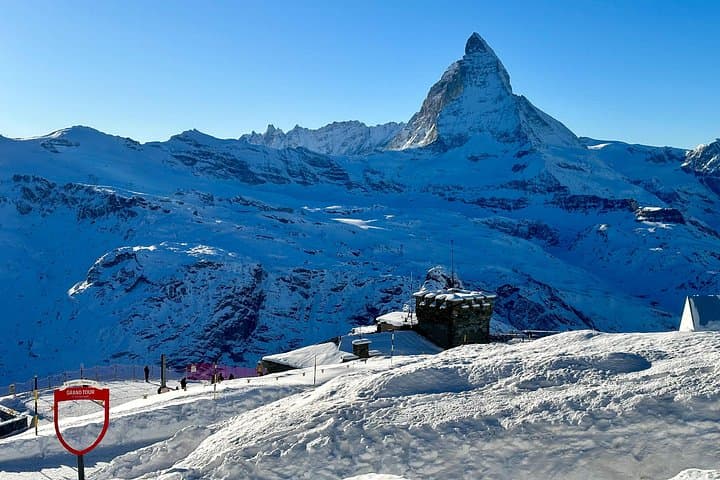
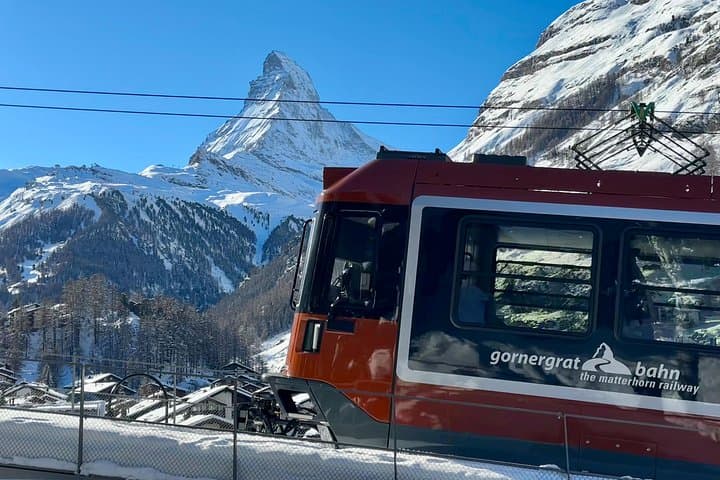
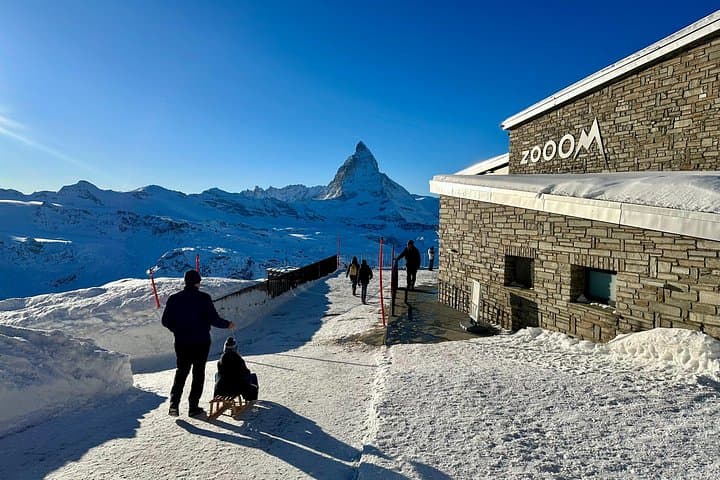
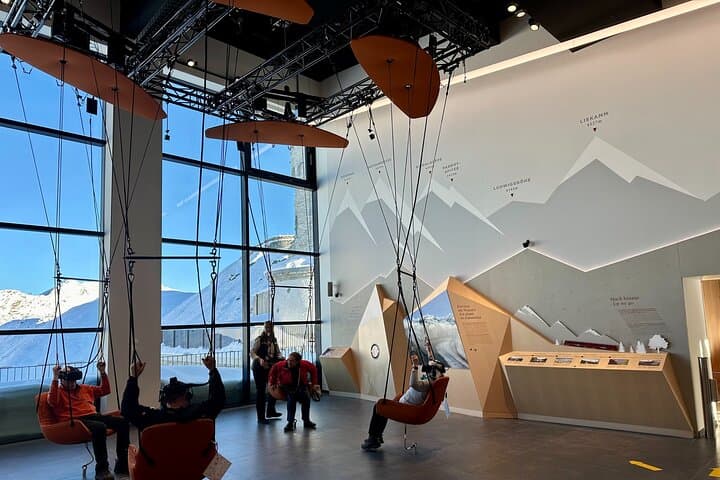
You step off the train and the air feels thinner, cooler — a hard-edged alpine light carving the Matterhorn’s summit into precision. The village of Zermatt spreads beneath you: compact streets, wooden chalets, and the low hum of travelers preparing for the mountain. From Bern the day unfolds as a planned ascent of scenery rather than an alpine climb — a historic railway doing the heavy lifting while you take in the views.
You step off the train and the air feels thinner, cooler — a hard-edged alpine light carving the Matterhorn’s summit into precision. The village of Zermatt spreads beneath you: compact streets, wooden chalets, and the low hum of travelers preparing for the mountain. From Bern the day unfolds as a planned ascent of scenery rather than an alpine climb — a historic railway doing the heavy lifting while you take in the views.
Zermatt grew from a farming community into a mountaineering hub in the 19th century when alpinism and early tourism brought guides and hotels. The Gornergrat Bahn, opened in 1898 as Switzerland’s pioneering electric rack railway, climbs to 3,089 m (10,135 ft), crossing moraines and offering vistas of the Monte Rosa massif and the Gorner Glacier, one of the largest in the Alps.
Culture here blends German-speaking Valais traditions, mountain guiding lore, and a strong hospitality scene — cafés, boutique makers, and après-ski energy even outside winter.
Practical guide: expect half-day walking in Zermatt’s village (paved and compact) and a three-hour window on the Gornergrat summit for photos, short hikes, and the panoramic platform. Weather changes fast at altitude — layer for wind and sun, and allow time for the return rail. Trains are regular but booked in high season; bring a charged phone, Swiss francs for small purchases, and comfortable shoes for uneven cobblestones. Mobility access is good on the railway, but summit pathways include snow patches depending on season. This is a reveal-by-rail: dramatic mountain geometry delivered with historically rich, low-effort access.