THE ADVENTURE COLLECTIVE® · Independent discovery and booking for outdoor travel

Learn to ski beneath the towering Matterhorn with certified instructors in Zermatt. This half-day experience combines tailored lessons, included equipment, and time to savor alpine views and village charm.
Learn to ski beneath the towering Matterhorn with certified instructors in Zermatt. This half-day experience combines tailored lessons, included equipment, and time to savor alpine views and village charm.
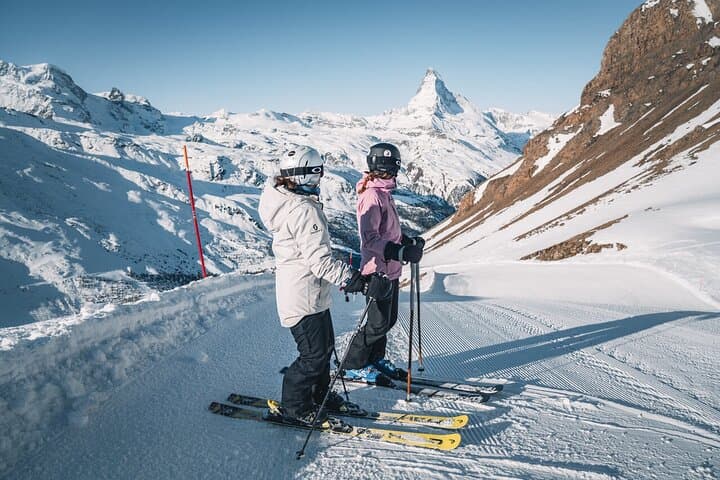
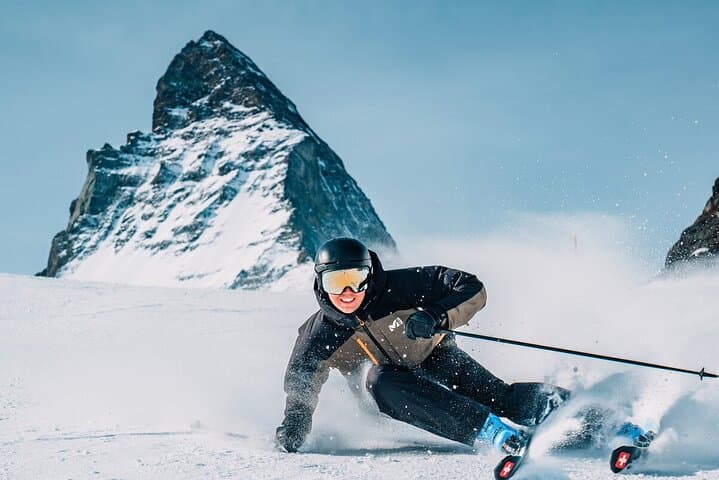
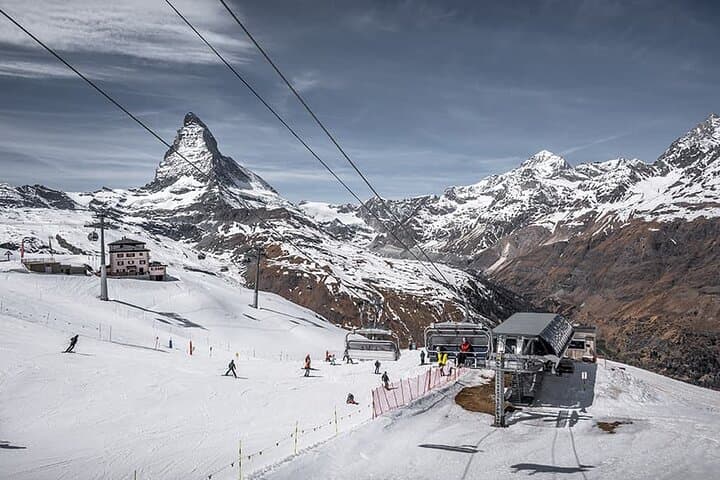
You step off the private transfer into Zermatt's thin, cold air and the Matterhorn fills the sky — an abrupt, angular face that seems to lean toward the village. The streets are car-free; skis and boots click past historic wooden chalets as certified instructors meet groups at the lift station. On the beginner slopes the snow feels purposeful, the runs wide and forgiving, while higher ridgelines promise serrated panoramas of the Pennine Alps.
Verified experiences and guided adventures in the surrounding area.
Operated by Swiss Epic Tours · Zermatt, Valais
You step off the private transfer into Zermatt's thin, cold air and the Matterhorn fills the sky — an abrupt, angular face that seems to lean toward the village. The streets are car-free; skis and boots click past historic wooden chalets as certified instructors meet groups at the lift station. On the beginner slopes the snow feels purposeful, the runs wide and forgiving, while higher ridgelines promise serrated panoramas of the Pennine Alps.
Geology here is on display: sedimentary strata turned to steel by tectonic collision, forming the jagged peaks that drilled mountaineering lore in the 19th century. Zermatt built its culture around the mountain — guides, lodges, and a hospitality rhythm keyed to summit attempts and ski seasons. Local cafés pour espresso with an alpine practicality; mountain huts lean into warmth after a lesson.
Practically, expect a structured lesson: warm-up, fundamentals (stance, wedge, controlled turns), and guided practice on gentle runs. Class equipment, ski pass, and transfers are typically included, and instructors tailor drills to progression rate. Elevation at the village is about 1,600 m with ski terrain reaching glaciers above 3,800 m — bring layers for temperature swings, and allow time to acclimate.
Timing matters: mornings offer firmer snow and clearer views; afternoons soften and demand sharper edge control. Hydrate, wear a helmet and goggles, and leave room in your schedule to explore Sunnegga or ride the Gornergrat cog for a different perspective. Whether you're first-timering or refining parallel turns, the mix of professional instruction, alpine logistics, and Matterhorn theatre makes for an efficient, memorable day on snow.
moderate.
4 hours.
Suitable for people with moderate fitness who can stand for extended periods and walk in ski boots; some basic balance helps.
No — classes accommodate beginners through intermediate skiers; instructors tailor lessons to your level.
Yes; typical bookings include skis, boots, poles, and a ski pass for the lesson area as well as professional instruction.
Most packages include round-trip hotel transport; otherwise arrive at the designated lift station or meeting point indicated on your booking confirmation.
Cancellation policies vary, but many operators require 24-hour notice for full refunds; lessons may be rescheduled when conditions permit.
Zermatt evolved from a small alpine settlement into a global mountaineering hub after Matterhorn ascents in the 19th century; tourism shaped its car-free design and guiding traditions.
The region balances tourism with protections for fragile alpine ecosystems — stick to marked runs, use gondolas responsibly, and pack out waste.
Swiss Epic Tours operates guided outdoor trips and adventures with an emphasis on safety, stewardship, and memorable experiences.
You step off the private transfer into Zermatt's thin, cold air and the Matterhorn fills the sky — an abrupt, angular face that seems to lean toward the village. The streets are car-free; skis and boots click past historic wooden chalets as certified instructors meet groups at the lift station. On the beginner slopes the snow feels purposeful, the runs wide and forgiving, while higher ridgelines promise serrated panoramas of the Pennine Alps.
You step off the private transfer into Zermatt's thin, cold air and the Matterhorn fills the sky — an abrupt, angular face that seems to lean toward the village. The streets are car-free; skis and boots click past historic wooden chalets as certified instructors meet groups at the lift station. On the beginner slopes the snow feels purposeful, the runs wide and forgiving, while higher ridgelines promise serrated panoramas of the Pennine Alps.
Geology here is on display: sedimentary strata turned to steel by tectonic collision, forming the jagged peaks that drilled mountaineering lore in the 19th century. Zermatt built its culture around the mountain — guides, lodges, and a hospitality rhythm keyed to summit attempts and ski seasons. Local cafés pour espresso with an alpine practicality; mountain huts lean into warmth after a lesson.
Practically, expect a structured lesson: warm-up, fundamentals (stance, wedge, controlled turns), and guided practice on gentle runs. Class equipment, ski pass, and transfers are typically included, and instructors tailor drills to progression rate. Elevation at the village is about 1,600 m with ski terrain reaching glaciers above 3,800 m — bring layers for temperature swings, and allow time to acclimate.
Timing matters: mornings offer firmer snow and clearer views; afternoons soften and demand sharper edge control. Hydrate, wear a helmet and goggles, and leave room in your schedule to explore Sunnegga or ride the Gornergrat cog for a different perspective. Whether you're first-timering or refining parallel turns, the mix of professional instruction, alpine logistics, and Matterhorn theatre makes for an efficient, memorable day on snow.