THE ADVENTURE COLLECTIVE® · Independent discovery and booking for outdoor travel

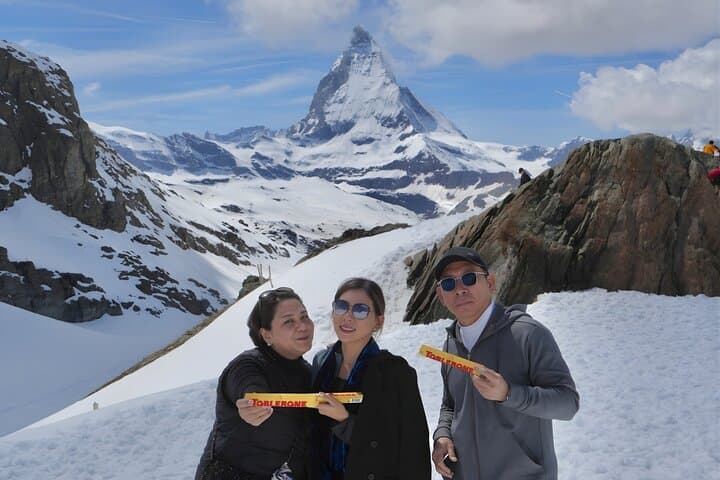
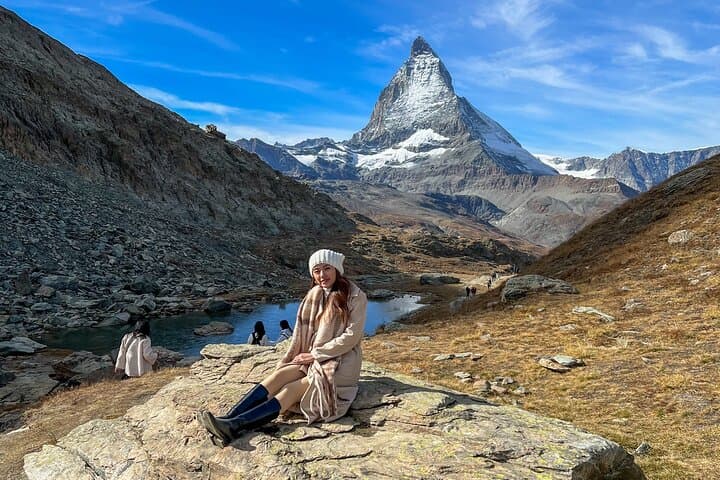
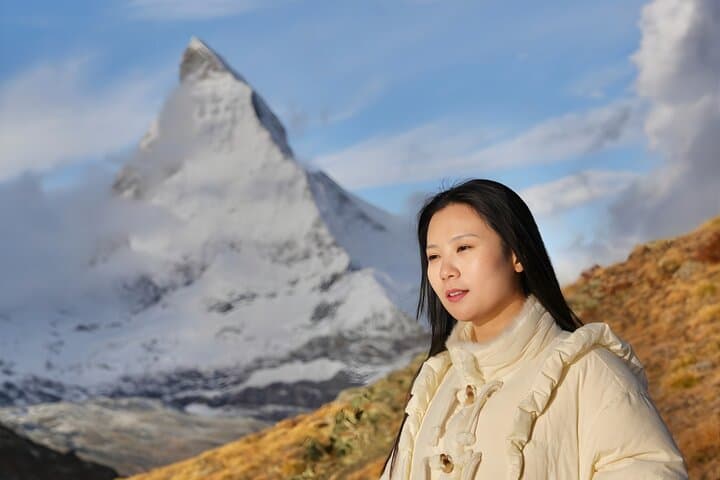
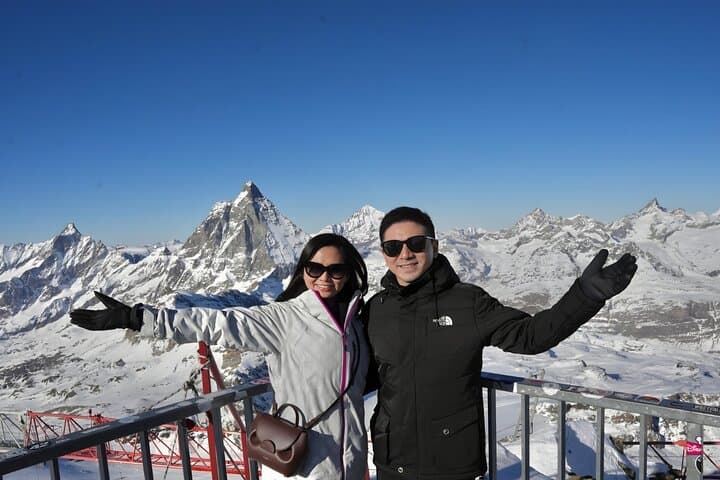
Explore Zermatt through a private guided walk that mixes village history, Matterhorn viewpoints and optional mountain excursions to Gornergrat or Matterhorn Glacier Paradise. Choose a short cultural tour or a full-day alpine experience tailored to your pace.
Explore Zermatt through a private guided walk that mixes village history, Matterhorn viewpoints and optional mountain excursions to Gornergrat or Matterhorn Glacier Paradise. Choose a short cultural tour or a full-day alpine experience tailored to your pace.
You step from the car-free main street into a village that still moves at mountain time: wooden roofs creak, church bells mark the hour, and the Matterhorn peeks between alleys as if checking on the town. A local guide leads you past Pfarrkirche St. Mauritius and into Hinterdorfstrasse, where carved beams and stone thresholds speak of climbers and shepherds who shaped this place.
Verified experiences and guided adventures in the surrounding area.
Operated by Lino · Zermatt, Valais
You step from the car-free main street into a village that still moves at mountain time: wooden roofs creak, church bells mark the hour, and the Matterhorn peeks between alleys as if checking on the town. A local guide leads you past Pfarrkirche St. Mauritius and into Hinterdorfstrasse, where carved beams and stone thresholds speak of climbers and shepherds who shaped this place.
Zermatt grew from a remote alpine settlement into the epicenter of mountaineering after attempts on the Matterhorn in the 19th century made headlines across Europe. The region sits on ancient crystalline rocks; glaciers have carved the valleys and left ridges like the Gornergrat as natural viewing platforms. Culture here blends Swiss mountain pragmatism with hospitality — bakeries still sell fresh butterzopf and museums catalogue both triumph and tragedy.
Practically, a private walk gives flexibility: a focused two-hour village tour, a half-day that adds the Glacier Paradise or a Gornergrat rail ride, or a full-day combination. Expect cobbled lanes, short stair sections and modest inclines—nothing technical, but high-altitude sun and sudden weather shifts demand preparation. Guides often capture video moments and can pause for photos at Kirchbrücke or the Mountaineers’ Cemetery.
Plan to move slowly at first to adjust to elevation, carry a light layer for gusty ridgelines, and allow extra time for cable car queues during peak season. Whether you choose a gentle cultural stroll or a full alpine sweep, Zermatt hands you the mountain’s angles and stories; you supply the pace and curiosity.
moderate.
2–9 hours.
Suitable for those comfortable walking 2–6 miles with short elevation changes; full-day option requires moderate stamina for longer time at altitude.
Tours typically begin near Pfarrkirche St. Mauritius in central Zermatt and finish in the village; mountain options return by cable car or train to town.
Yes—mountain access is included only if you select those options; otherwise purchases can be arranged on the day but pre-booking is recommended in high season.
The village section is stroller-accessible on most streets; steeper mountain areas are not suited for strollers and include steps.
Standard policy allows full refund up to 24 hours before departure; mountain segments may be impacted by weather though village tours often continue in light precipitation.
Zermatt’s global fame rose after 19th-century aspirants attempted the Matterhorn; the village evolved alongside mountaineering tourism and alpine rescue traditions.
Zermatt is car-free to reduce emissions; visitors are encouraged to stick to marked paths to prevent erosion and respect fragile alpine habitats.
Lino operates guided outdoor trips and adventures with an emphasis on safety, stewardship, and memorable experiences.
You step from the car-free main street into a village that still moves at mountain time: wooden roofs creak, church bells mark the hour, and the Matterhorn peeks between alleys as if checking on the town. A local guide leads you past Pfarrkirche St. Mauritius and into Hinterdorfstrasse, where carved beams and stone thresholds speak of climbers and shepherds who shaped this place.
You step from the car-free main street into a village that still moves at mountain time: wooden roofs creak, church bells mark the hour, and the Matterhorn peeks between alleys as if checking on the town. A local guide leads you past Pfarrkirche St. Mauritius and into Hinterdorfstrasse, where carved beams and stone thresholds speak of climbers and shepherds who shaped this place.
Zermatt grew from a remote alpine settlement into the epicenter of mountaineering after attempts on the Matterhorn in the 19th century made headlines across Europe. The region sits on ancient crystalline rocks; glaciers have carved the valleys and left ridges like the Gornergrat as natural viewing platforms. Culture here blends Swiss mountain pragmatism with hospitality — bakeries still sell fresh butterzopf and museums catalogue both triumph and tragedy.
Practically, a private walk gives flexibility: a focused two-hour village tour, a half-day that adds the Glacier Paradise or a Gornergrat rail ride, or a full-day combination. Expect cobbled lanes, short stair sections and modest inclines—nothing technical, but high-altitude sun and sudden weather shifts demand preparation. Guides often capture video moments and can pause for photos at Kirchbrücke or the Mountaineers’ Cemetery.
Plan to move slowly at first to adjust to elevation, carry a light layer for gusty ridgelines, and allow extra time for cable car queues during peak season. Whether you choose a gentle cultural stroll or a full alpine sweep, Zermatt hands you the mountain’s angles and stories; you supply the pace and curiosity.