THE ADVENTURE COLLECTIVE® · Independent discovery and booking for outdoor travel

Short, guided photo walk from central Zermatt to viewpoints that frame the Matterhorn. Ideal for beginners, this private 75-minute outing focuses on composition, local history, and the best light windows for iconic shots.
Short, guided photo walk from central Zermatt to viewpoints that frame the Matterhorn. Ideal for beginners, this private 75-minute outing focuses on composition, local history, and the best light windows for iconic shots.
A crisp bell of a Swiss train eases into Zermatt and you step into a car-free main street framed by wooden chalets and a constant, patient backdrop: the Matterhorn. The hike starts from the very center — five minutes on foot from the station — and within fifteen minutes the village falls away and the classic north face of the Matterhorn fills the frame. Light shifts quickly at altitude; clouds edge across the peak like a hand altering a portrait.
Verified experiences and guided adventures in the surrounding area.
Operated by Soulful Hospitality · Zermatt, Valais
A crisp bell of a Swiss train eases into Zermatt and you step into a car-free main street framed by wooden chalets and a constant, patient backdrop: the Matterhorn. The hike starts from the very center — five minutes on foot from the station — and within fifteen minutes the village falls away and the classic north face of the Matterhorn fills the frame. Light shifts quickly at altitude; clouds edge across the peak like a hand altering a portrait.
Zermatt’s climb from an alpine hamlet to an international mountaineering hub began in the mid-19th century when climbers first tackled the Matterhorn, reshaping local culture and economy. Geologically the pyramid is a tusk of gneiss thrust skyward during the Alpine orogeny; its sharp ridges and glacial bowls make for dramatic, compositional photography.
Locals still guide by sightlines — where the mountain reflects perfectly in small tarns, which alley frames the horn against classic shops, and when the low sun turns snow to molten silver. The walk is short and deliberately easy: good for beginners but rich in photographic opportunity.
Practical edge: time your hike for hour after sunrise or late afternoon for the best side light; bring a small tripod and spare batteries; wear grippy shoes for wet stone and a wind layer for sudden chill. Expect steady walking on village paths and easy trails, private guided attention, and a fast return to Zermatt’s cafés and museum exhibits when you’re done.
easy.
1–1.5 hours.
Light walking fitness; accessible to most people comfortable with short uphill sections.
The activity lasts about 75 minutes with mostly gentle walking; key viewpoints are reached within 10–20 minutes from the meeting point.
Meeting is in central Zermatt, a five-minute walk from the train station; Zermatt is car-free, so arrive by train or electric taxi to nearby Täsch.
Yes — it’s designed for beginners and families comfortable with short walks; guides tailor pace to the group.
Pack layers, sun protection, water, and spare camera batteries; mornings and late afternoons offer the best photographic light.
Zermatt transformed from an agrarian valley to a global mountaineering destination after 19th-century ascents of the Matterhorn, shaping its tourism and cultural identity.
Zermatt is car-free to reduce emissions and protect fragile alpine environments; stick to trails and follow local guidelines to minimize impact.
Soulful Hospitality operates guided outdoor trips and adventures with an emphasis on safety, stewardship, and memorable experiences.

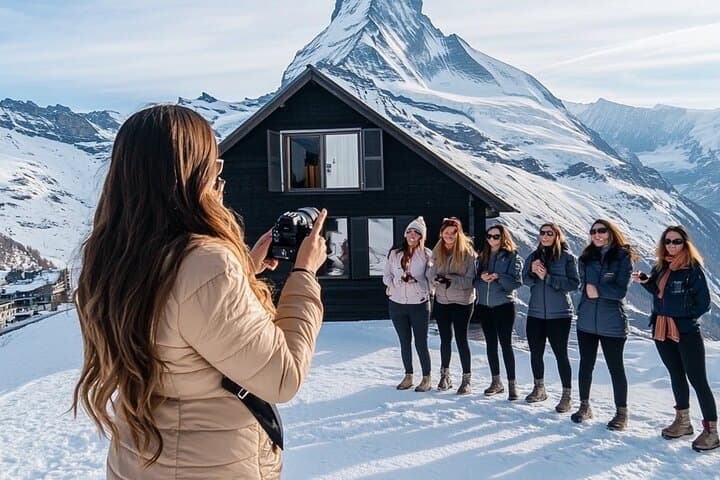
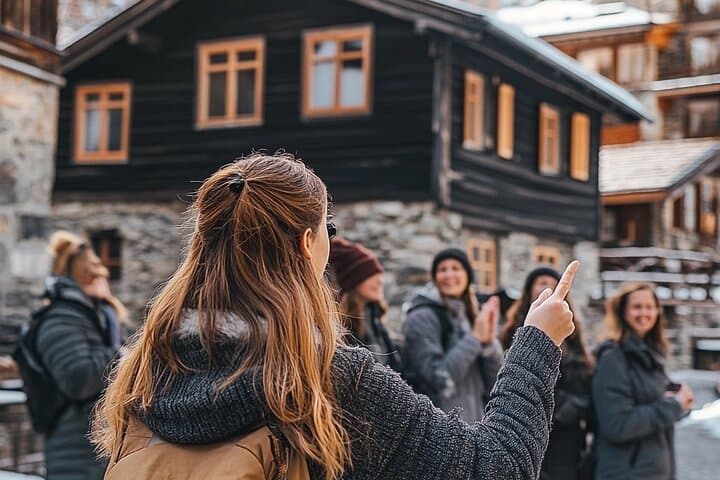
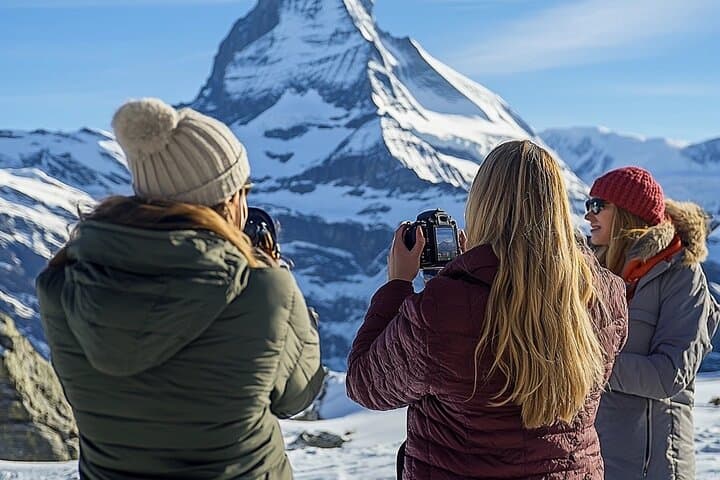
A crisp bell of a Swiss train eases into Zermatt and you step into a car-free main street framed by wooden chalets and a constant, patient backdrop: the Matterhorn. The hike starts from the very center — five minutes on foot from the station — and within fifteen minutes the village falls away and the classic north face of the Matterhorn fills the frame. Light shifts quickly at altitude; clouds edge across the peak like a hand altering a portrait.
A crisp bell of a Swiss train eases into Zermatt and you step into a car-free main street framed by wooden chalets and a constant, patient backdrop: the Matterhorn. The hike starts from the very center — five minutes on foot from the station — and within fifteen minutes the village falls away and the classic north face of the Matterhorn fills the frame. Light shifts quickly at altitude; clouds edge across the peak like a hand altering a portrait.
Zermatt’s climb from an alpine hamlet to an international mountaineering hub began in the mid-19th century when climbers first tackled the Matterhorn, reshaping local culture and economy. Geologically the pyramid is a tusk of gneiss thrust skyward during the Alpine orogeny; its sharp ridges and glacial bowls make for dramatic, compositional photography.
Locals still guide by sightlines — where the mountain reflects perfectly in small tarns, which alley frames the horn against classic shops, and when the low sun turns snow to molten silver. The walk is short and deliberately easy: good for beginners but rich in photographic opportunity.
Practical edge: time your hike for hour after sunrise or late afternoon for the best side light; bring a small tripod and spare batteries; wear grippy shoes for wet stone and a wind layer for sudden chill. Expect steady walking on village paths and easy trails, private guided attention, and a fast return to Zermatt’s cafés and museum exhibits when you’re done.