THE ADVENTURE COLLECTIVE® · Independent discovery and booking for outdoor travel

Take a full‑day small‑group journey from Bern to Zermatt and ride the cogwheel train to Gornergrat for glacier and Matterhorn panoramas. This practical day trip blends scenic rail travel, a village walk, and high‑alpine viewpoints with a local guide.
Take a full‑day small‑group journey from Bern to Zermatt and ride the cogwheel train to Gornergrat for glacier and Matterhorn panoramas. This practical day trip blends scenic rail travel, a village walk, and high‑alpine viewpoints with a local guide.
You step onto the platform in Bern and the Alpine landscape opens like a map: lowland trains thread past Lake Thun, then climb toward Visp as granite and snow begin to assert themselves. By midmorning the sharp silhouette of the Matterhorn slices the horizon as you arrive in car‑free Zermatt — a village of wood facades, mountain boots and brisk alpine air.
Verified experiences and guided adventures in the surrounding area.
Operated by SwissTravelGuide.ch · Zermatt, Valais
You step onto the platform in Bern and the Alpine landscape opens like a map: lowland trains thread past Lake Thun, then climb toward Visp as granite and snow begin to assert themselves. By midmorning the sharp silhouette of the Matterhorn slices the horizon as you arrive in car‑free Zermatt — a village of wood facades, mountain boots and brisk alpine air.
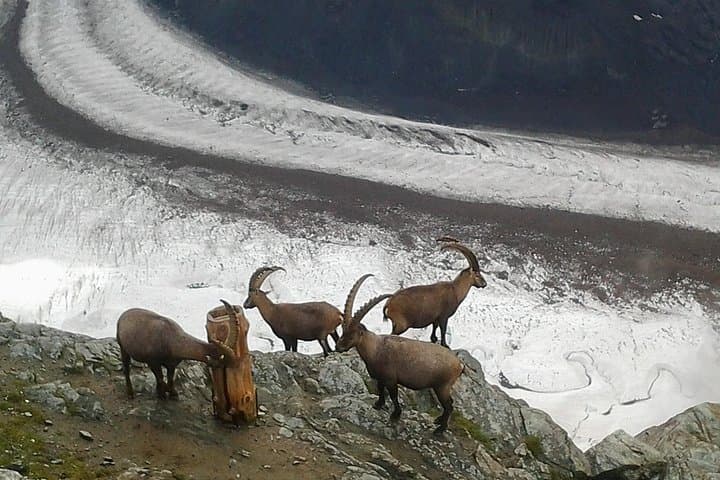
Zermatt grew from a remote farming settlement into a climbing hub after the first attempts on the Matterhorn in the 19th century; the Monte Rosa Hotel and the graveyard on the church hill both tell that history in quiet ways. Geologically the route crosses the Valais Alps where glaciers like the Gorner and Findel still push low, carving U‑shaped valleys and exposing moraine and rockfaces that speak to slow, powerful forces.
The cogwheel ride to Gornergrat climbs nearly 1,500 metres in under an hour, delivering a panoramic theater of more than 20 peaks above 4,000 m and a view down onto polyglacial sweeps. The Kulmhotel and the summit viewpoint are practical staging points for photos, a snack, and short, accessible walks in an all‑year snowy zone.
Practicalities: this is a long, guided day—expect about nine hours roundtrip from Bern. Dress in layers for rapid temperature change, carry water and sunscreen, and plan for limited free time in Zermatt itself. Trains run on schedule and the tour includes priority boarding; weather can close higher viewpoints, so a flexible itinerary and sensible footwear will keep the day rewarding rather than rushed.
easy.
9 hours.
Suitable for travelers in average fitness; involves short village walks, standing on platforms, and light walking at altitude
You meet the guide at the Bern tourist information desk at the train station (ground floor, near the railway ticket office). Be there 10–15 minutes early.
The tour notes wheelchair accessible transport and sites, but some viewpoints and cobbled streets have limited accessibility; contact the operator to confirm specific needs.
Yes—Gornergrat offers one of the classic panoramic views of the Matterhorn and surrounding 4,000‑metre peaks, though summit visibility depends on weather and light conditions.
Trains have limited onboard facilities; Zermatt and Gornergrat both have restaurants and restrooms—but options are limited at high altitude, so bring small snacks.
Zermatt’s transformation from alpine farming hamlet to mountaineering center accelerated after 19th‑century ascents of the Matterhorn; the town preserves climbing history in its hotels and museums.
The area is ecologically sensitive—stick to marked paths, avoid disturbing wildlife, and favor rail travel and guided tours which reduce local traffic and emissions.
SwissTravelGuide.ch operates guided outdoor trips and adventures with an emphasis on safety, stewardship, and memorable experiences.
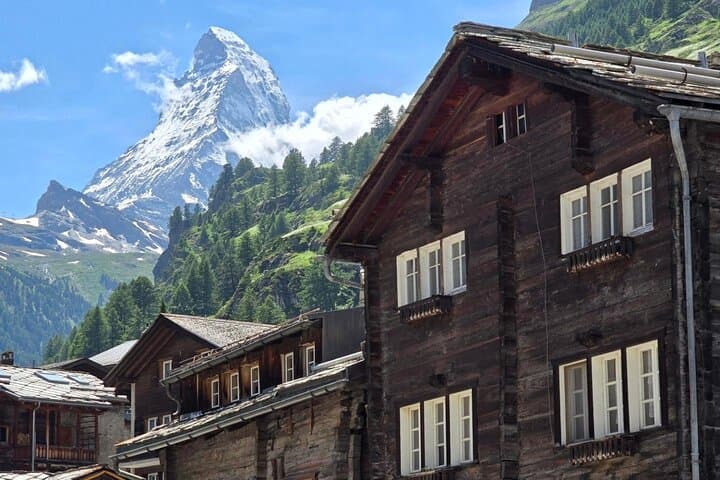
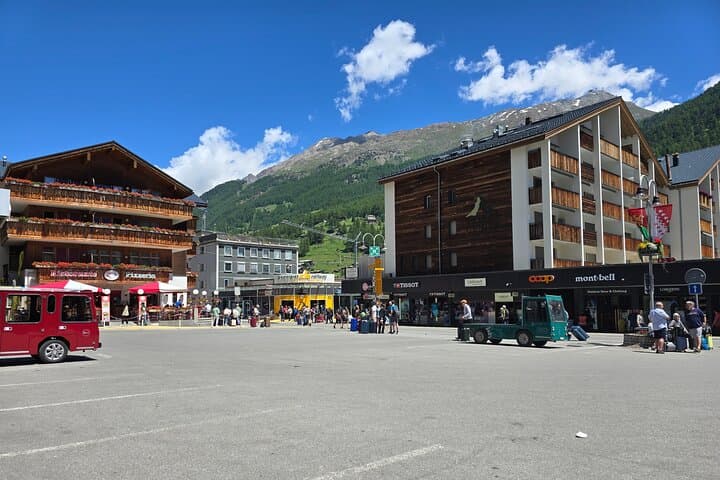
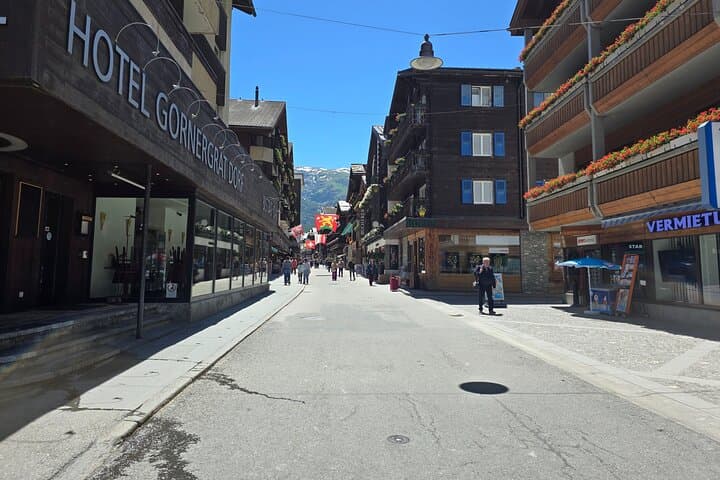
You step onto the platform in Bern and the Alpine landscape opens like a map: lowland trains thread past Lake Thun, then climb toward Visp as granite and snow begin to assert themselves. By midmorning the sharp silhouette of the Matterhorn slices the horizon as you arrive in car‑free Zermatt — a village of wood facades, mountain boots and brisk alpine air.
You step onto the platform in Bern and the Alpine landscape opens like a map: lowland trains thread past Lake Thun, then climb toward Visp as granite and snow begin to assert themselves. By midmorning the sharp silhouette of the Matterhorn slices the horizon as you arrive in car‑free Zermatt — a village of wood facades, mountain boots and brisk alpine air.
Zermatt grew from a remote farming settlement into a climbing hub after the first attempts on the Matterhorn in the 19th century; the Monte Rosa Hotel and the graveyard on the church hill both tell that history in quiet ways. Geologically the route crosses the Valais Alps where glaciers like the Gorner and Findel still push low, carving U‑shaped valleys and exposing moraine and rockfaces that speak to slow, powerful forces.
The cogwheel ride to Gornergrat climbs nearly 1,500 metres in under an hour, delivering a panoramic theater of more than 20 peaks above 4,000 m and a view down onto polyglacial sweeps. The Kulmhotel and the summit viewpoint are practical staging points for photos, a snack, and short, accessible walks in an all‑year snowy zone.
Practicalities: this is a long, guided day—expect about nine hours roundtrip from Bern. Dress in layers for rapid temperature change, carry water and sunscreen, and plan for limited free time in Zermatt itself. Trains run on schedule and the tour includes priority boarding; weather can close higher viewpoints, so a flexible itinerary and sensible footwear will keep the day rewarding rather than rushed.