THE ADVENTURE COLLECTIVE® · Independent discovery and booking for outdoor travel

Two guided boat dives on the iconic MS Zenobia—one of the Mediterranean’s most accessible large wrecks. Expect clear water, abundant marine life, and configurable routes for Open Water through technical divers.
Two guided boat dives on the iconic MS Zenobia—one of the Mediterranean’s most accessible large wrecks. Expect clear water, abundant marine life, and configurable routes for Open Water through technical divers.
You step off the dive boat and the water takes you: a cool, clear Mediterranean blue that makes the silhouette of a 172‑meter freighter appear like a sunken cathedral. The Zenobia, lying on her starboard side with bow and stern attractively spaced, fills the view as schools of fish thread through rusted cab doors and the cargo of articulated lorries.
Verified experiences and guided adventures in the surrounding area.
Operated by Pissouri Bay Divers · Larnaca, Larnaca District
You step off the dive boat and the water takes you: a cool, clear Mediterranean blue that makes the silhouette of a 172‑meter freighter appear like a sunken cathedral. The Zenobia, lying on her starboard side with bow and stern attractively spaced, fills the view as schools of fish thread through rusted cab doors and the cargo of articulated lorries.
Sank in 1980 during her maiden voyage, the MS Zenobia is now the island’s most famous wreck—an unintended artificial reef that ranges from about 16–43 meters depth. Geologically the site sits over a gently sloping shelf outside Larnaca Bay; culturally it’s become a pillar of Cyprus’s dive tourism, drawing recreational and technical divers for decades.
Expect two boat dives with a 90‑minute surface interval: commonly a stern dive first, then the bow. Visibility tends to be excellent—often 20–30 meters—though thermoclines and occasional currents can push you horizontally. Marine life is lively: groupers, amberjacks, morays and colorful macro life inhabit crevices and cargo bays.
Practicalities: Open Water certification is the minimum; deeper penetration and longer bottom times require advanced or technical credentials. The operator provides full scuba kit and private transport from pickup points; boats leave early from Pissouri Bay or Larnaca. Bring a dive computer, SMB for safety stops, and a reliable torch for interior vaults. Hydrate, plan gas and depth conservatively, and follow the guide’s brief for wreck penetration rules. Weather and sea conditions can change; operators may cancel with 24‑hour notice. For divers who want a single day of intense exploration, the Zenobia delivers historic structure, abundant life and the rare thrill of swimming through a modern ship’s remains.
challenging.
8 hours.
Moderate; must be comfortable with boat transfers, surface swims and repeated dives over a full day.
Minimum Open Water certification is required; Advanced/Tech certification recommended for deeper or extensive penetration dives.
Typical routes range 16–28m for recreational profiles; technical routes can access deeper sections to ~43m under specialist supervision.
Yes, but only within guide limits—penetration depends on group certification, briefing and the guide’s assessment of conditions.
Visibility is often 20–30m; water temps range roughly 15–26°C depending on season.
The Zenobia sank in 1980 during her maiden voyage, carrying trucks whose silhouettes now frame interior dive routes and provide substrate for reef life.
The wreck functions as an artificial reef; divers should follow no‑touch rules to protect fragile encrusting life and avoid disturbing resident species.
Pissouri Bay Divers operates guided outdoor trips and adventures with an emphasis on safety, stewardship, and memorable experiences.
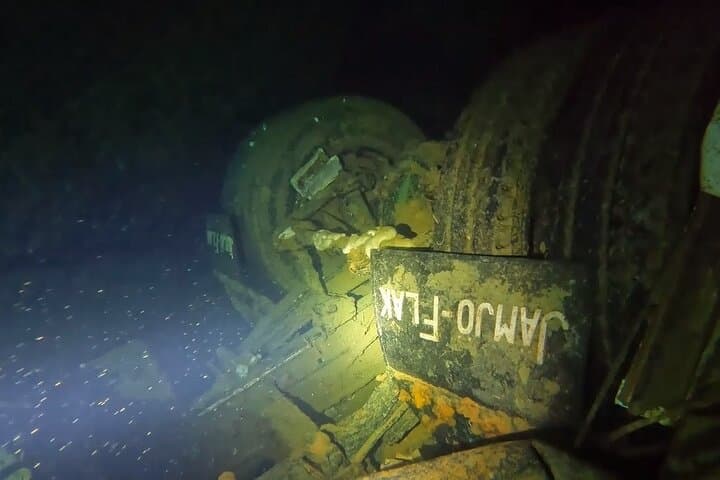
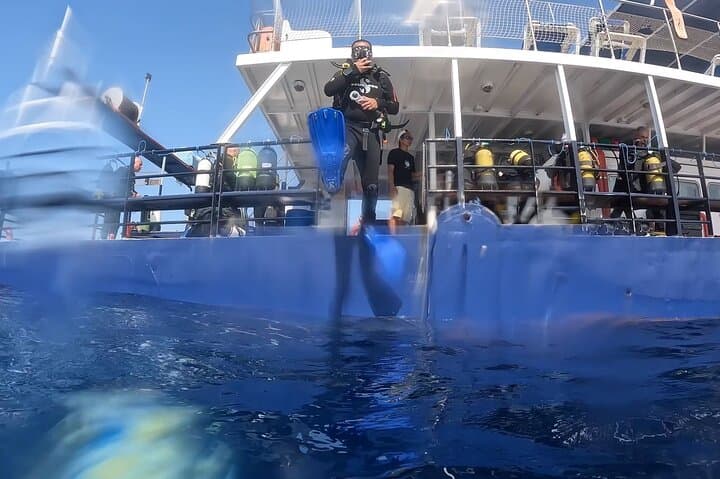
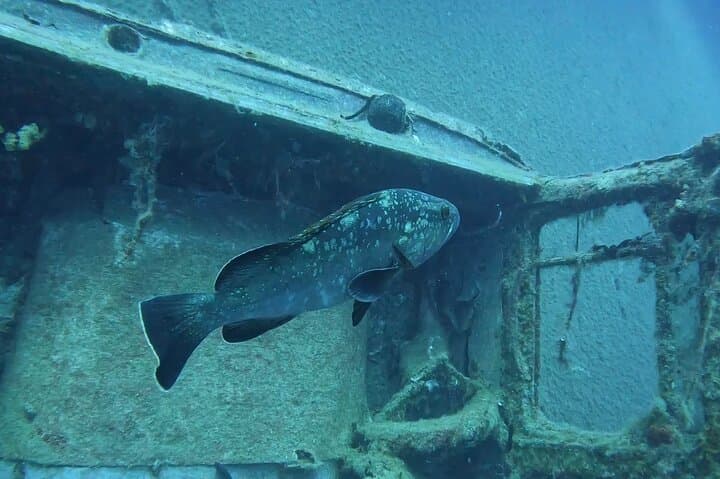
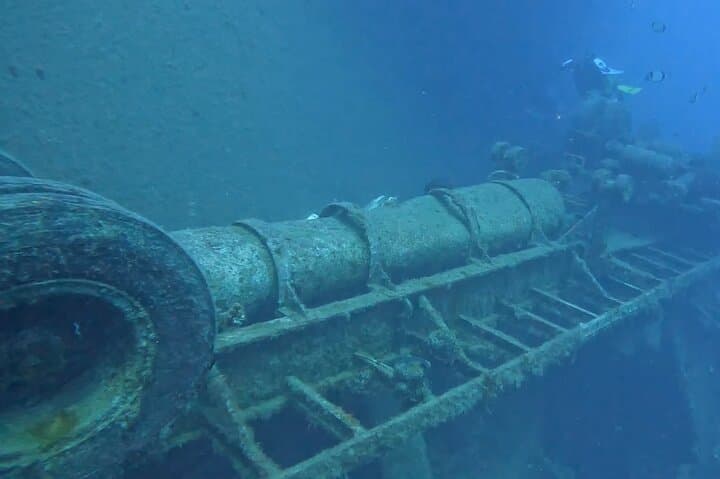
You step off the dive boat and the water takes you: a cool, clear Mediterranean blue that makes the silhouette of a 172‑meter freighter appear like a sunken cathedral. The Zenobia, lying on her starboard side with bow and stern attractively spaced, fills the view as schools of fish thread through rusted cab doors and the cargo of articulated lorries.
You step off the dive boat and the water takes you: a cool, clear Mediterranean blue that makes the silhouette of a 172‑meter freighter appear like a sunken cathedral. The Zenobia, lying on her starboard side with bow and stern attractively spaced, fills the view as schools of fish thread through rusted cab doors and the cargo of articulated lorries.
Sank in 1980 during her maiden voyage, the MS Zenobia is now the island’s most famous wreck—an unintended artificial reef that ranges from about 16–43 meters depth. Geologically the site sits over a gently sloping shelf outside Larnaca Bay; culturally it’s become a pillar of Cyprus’s dive tourism, drawing recreational and technical divers for decades.
Expect two boat dives with a 90‑minute surface interval: commonly a stern dive first, then the bow. Visibility tends to be excellent—often 20–30 meters—though thermoclines and occasional currents can push you horizontally. Marine life is lively: groupers, amberjacks, morays and colorful macro life inhabit crevices and cargo bays.
Practicalities: Open Water certification is the minimum; deeper penetration and longer bottom times require advanced or technical credentials. The operator provides full scuba kit and private transport from pickup points; boats leave early from Pissouri Bay or Larnaca. Bring a dive computer, SMB for safety stops, and a reliable torch for interior vaults. Hydrate, plan gas and depth conservatively, and follow the guide’s brief for wreck penetration rules. Weather and sea conditions can change; operators may cancel with 24‑hour notice. For divers who want a single day of intense exploration, the Zenobia delivers historic structure, abundant life and the rare thrill of swimming through a modern ship’s remains.