THE ADVENTURE COLLECTIVE® · Independent discovery and booking for outdoor travel

Walk ancient grottoes and sip Longjing tea on a private day tour from Hangzhou. This experience pairs a Zen Buddhist temple visit with tea‑field walks and an educational tasting inside a local museum.
Walk ancient grottoes and sip Longjing tea on a private day tour from Hangzhou. This experience pairs a Zen Buddhist temple visit with tea‑field walks and an educational tasting inside a local museum.
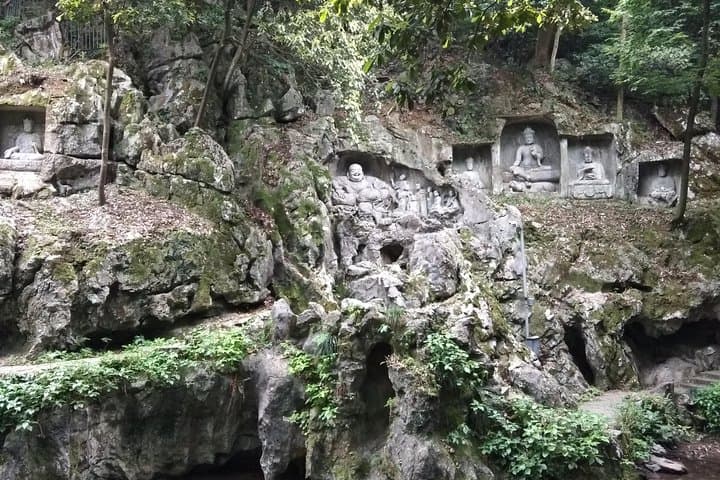
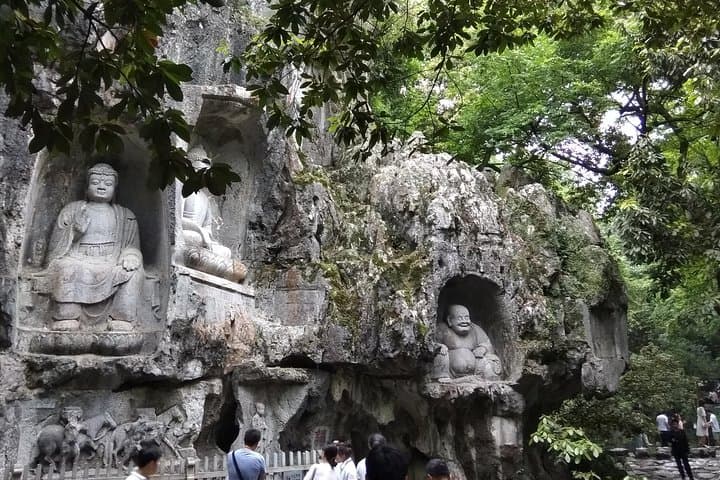
Morning mist threads through terraced tea fields as a bronze bell from the temple courtyard answers the day: that first inhale is Hangzhou. On this full‑day private tour you move from carved grottoes—rock faces cut with Buddhist motifs centuries ago—into green rows of Longjing (Dragon Well) tea where steam and scent shape the lesson.
Verified experiences and guided adventures in the surrounding area.
Operated by WENDY YANG · Hangzhou, Zhejiang
Morning mist threads through terraced tea fields as a bronze bell from the temple courtyard answers the day: that first inhale is Hangzhou. On this full‑day private tour you move from carved grottoes—rock faces cut with Buddhist motifs centuries ago—into green rows of Longjing (Dragon Well) tea where steam and scent shape the lesson.
The temple you visit has roots in the early imperial era (historic records date a structure here back to the 4th century), and the grotto carvings preserve devotional styles from roughly 800–1000 years ago. Geologically, the western hills around Hangzhou are modest, weathered elevations of red clay and granite that trap mist and create the cool, humid microclimate prized by tea growers. Culturally, Zen practice and tea preparation converge here: quiet, deliberate gestures in the tea museum mirror the meditative posture of the temple.
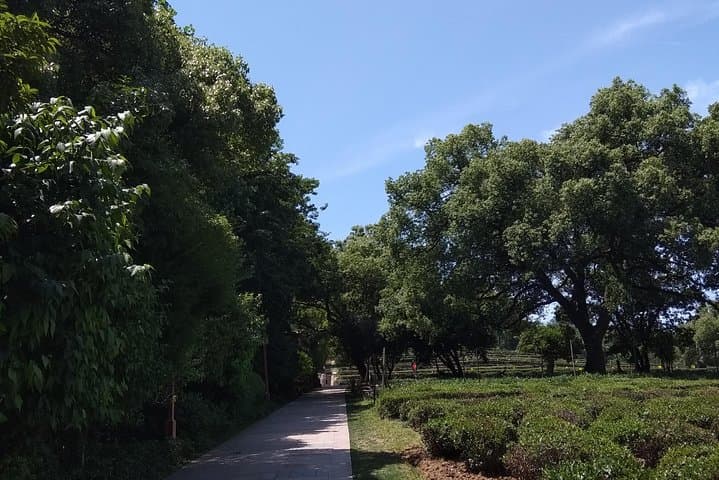
Expect well‑maintained paths, short flights of stone steps and uneven earthen tracks through plantations—suitable for most visitors but not stroller‑friendly. The day blends indoor moments (museum and tea ceremony) with outdoor walking between viewpoints and rows of tea bushes. Local restaurants serve simple regional dishes paired with tea; tasting is guided and educational rather than commercial.
Plan for morning light in the fields, bring layers for variable weather, and leave time to wander viewpoints before the return to Hangzhou. The tour is practical and sensory: history in stone, soil that grows flavor, and a slow cup that ties them together.
easy.
5–8 hours.
Light walking ability required; suitable for most fitness levels with intermittent standing and short climbs
The private tour runs approximately 5–8 hours depending on pickup location and time spent at each site.
Yes—listed as physically easy with short, manageable walks, but bring mobility aids if needed due to stone steps and uneven ground.
Admission to the temple grottoes and the tea museum is included in the tour price as noted in the itinerary.
Yes—authentic Longjing tea is often available for purchase at the museum or nearby vendors; inspect packaging and ask about origin before buying.
The temple site hosts Buddhist carvings dating back 800–1,000 years and a shrine tradition recorded from the 4th century, reflecting Hangzhou’s long religious and cultural continuity.
Tea terraces are sensitive to erosion and pesticide runoff; choose operators who promote sustainable cultivation and avoid trampling young shoots.
WENDY YANG operates guided outdoor trips and adventures with an emphasis on safety, stewardship, and memorable experiences.
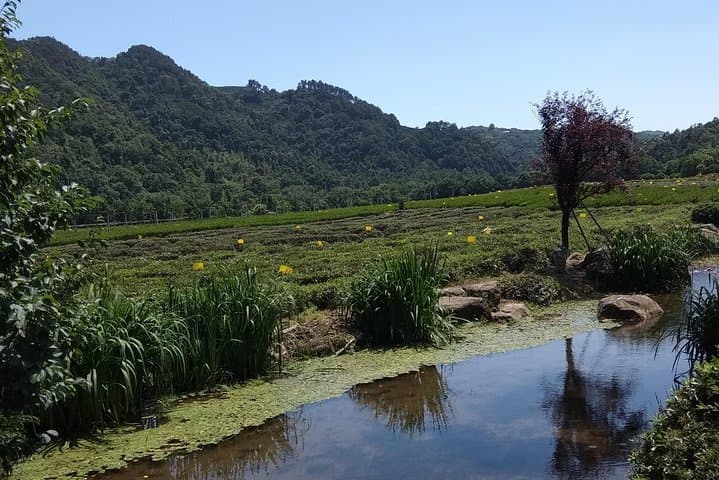
Morning mist threads through terraced tea fields as a bronze bell from the temple courtyard answers the day: that first inhale is Hangzhou. On this full‑day private tour you move from carved grottoes—rock faces cut with Buddhist motifs centuries ago—into green rows of Longjing (Dragon Well) tea where steam and scent shape the lesson.
Morning mist threads through terraced tea fields as a bronze bell from the temple courtyard answers the day: that first inhale is Hangzhou. On this full‑day private tour you move from carved grottoes—rock faces cut with Buddhist motifs centuries ago—into green rows of Longjing (Dragon Well) tea where steam and scent shape the lesson.
The temple you visit has roots in the early imperial era (historic records date a structure here back to the 4th century), and the grotto carvings preserve devotional styles from roughly 800–1000 years ago. Geologically, the western hills around Hangzhou are modest, weathered elevations of red clay and granite that trap mist and create the cool, humid microclimate prized by tea growers. Culturally, Zen practice and tea preparation converge here: quiet, deliberate gestures in the tea museum mirror the meditative posture of the temple.
Expect well‑maintained paths, short flights of stone steps and uneven earthen tracks through plantations—suitable for most visitors but not stroller‑friendly. The day blends indoor moments (museum and tea ceremony) with outdoor walking between viewpoints and rows of tea bushes. Local restaurants serve simple regional dishes paired with tea; tasting is guided and educational rather than commercial.
Plan for morning light in the fields, bring layers for variable weather, and leave time to wander viewpoints before the return to Hangzhou. The tour is practical and sensory: history in stone, soil that grows flavor, and a slow cup that ties them together.