THE ADVENTURE COLLECTIVE® · Independent discovery and booking for outdoor travel

A guided, low‑intensity running tour through Arashiyama that blends easy jogging with cultural stops at Togetsukyo Bridge, Tenryu‑ji gardens, and the bamboo grove. Ideal for active travelers who want a fresh way to see Kyoto.
A guided, low‑intensity running tour through Arashiyama that blends easy jogging with cultural stops at Togetsukyo Bridge, Tenryu‑ji gardens, and the bamboo grove. Ideal for active travelers who want a fresh way to see Kyoto.
Morning air slips through towering bamboo as runners fall into an easy rhythm beneath a green roof. The Zen Run in Arashiyama moves at a conversational jog, threading Togetsukyo Bridge, temple gardens, and riverside trails so the landscape feels like a moving meditation rather than a race.
Verified experiences and guided adventures in the surrounding area.
Operated by Kyoto Fitness · Kyoto, Kyoto
Morning air slips through towering bamboo as runners fall into an easy rhythm beneath a green roof. The Zen Run in Arashiyama moves at a conversational jog, threading Togetsukyo Bridge, temple gardens, and riverside trails so the landscape feels like a moving meditation rather than a race.
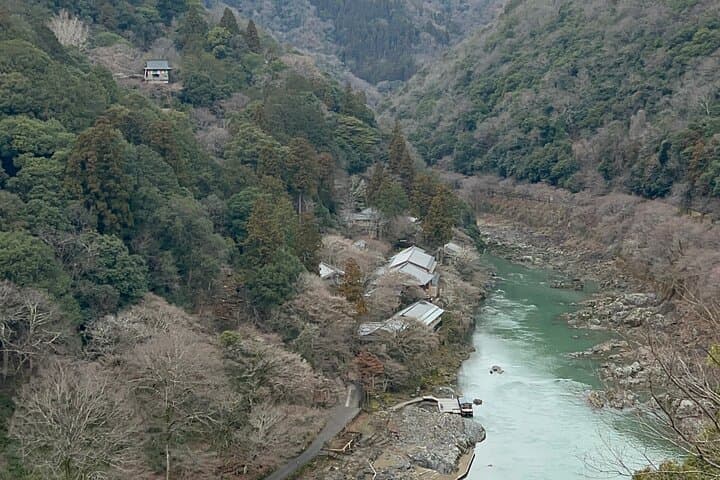
Arashiyama’s story stretches from Heian-era pleasure gardens to the Zen temples of Tenryu-ji, whose Sogenchi gardens reflect a design language more than a view. Geologically, this corner of Kyoto sits on river-fed alluvial flats backed by low volcanic hills; paths alternate between compact paths and root-laced temple stairs. Culturally, the route passes shrines tied to classical court life and shrines mentioned by writers like Murasaki Shikibu, giving each stop a tangible link to Japan’s imperial past.
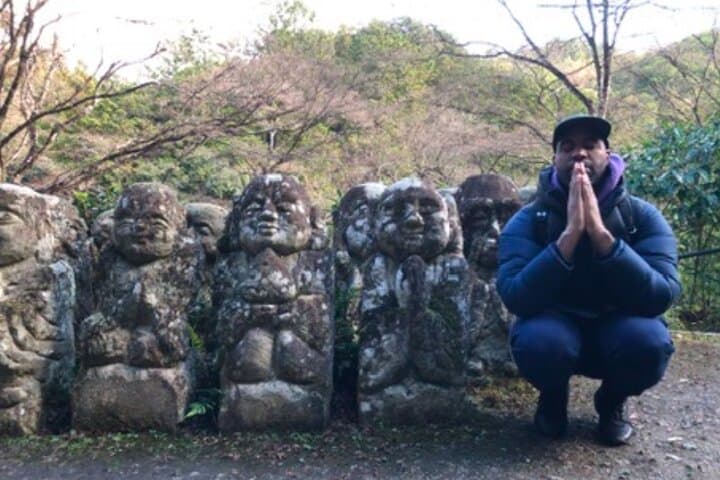
Expect a mix of paved promenades, packed-earth trails, and one short uphill to the Iwatayama Monkey Park where Japanese macaques roam. The guide balances pace, history, and photo stops — and on Wednesdays the route swaps Otagi Nenbutsu-ji for Adachi no Nenbutsuji.
Practical guidance: arrive with a light warm-up, wear road-to-trail running shoes, and plan for frequent pauses for photos and short cultural talks. Carry at least 500–750 ml of water, small local currency for temple admissions, and a lightweight layer for changing shade and river breezes. Respect wildlife viewing rules at the monkey park and keep to marked routes to protect bamboo roots and temple gardens. The run is ideal as a morning activity to avoid crowds and the midday humidity of Kyoto.
moderate.
1.5–2 hours.
Participants should have moderate cardiovascular fitness and comfort with short uphill segments and stairs.
Yes; pace is flexible and guides adjust stops. Participants should be comfortable jogging 90–120 minutes with a few short hills.
The tour is led by an English-speaking fitness guide who provides cultural insights and running cues throughout.
Meet near the Arashiyama/Togetsukyo area; easily reached by JR or Hankyu lines to Saga-Arashiyama or a short taxi from central Kyoto.
Families with active children can join, but bookers should confirm age and fitness suitability with the operator ahead of time.
Arashiyama served as a Heian-period leisure district for imperial elites; Tenryu-ji and its Sogenchi gardens are key Zen and UNESCO-linked sites.
High foot traffic threatens bamboo root systems and temple grounds; stick to paths, pack out waste, and follow local wildlife viewing rules to minimize impact.
Kyoto Fitness operates guided outdoor trips and adventures with an emphasis on safety, stewardship, and memorable experiences.
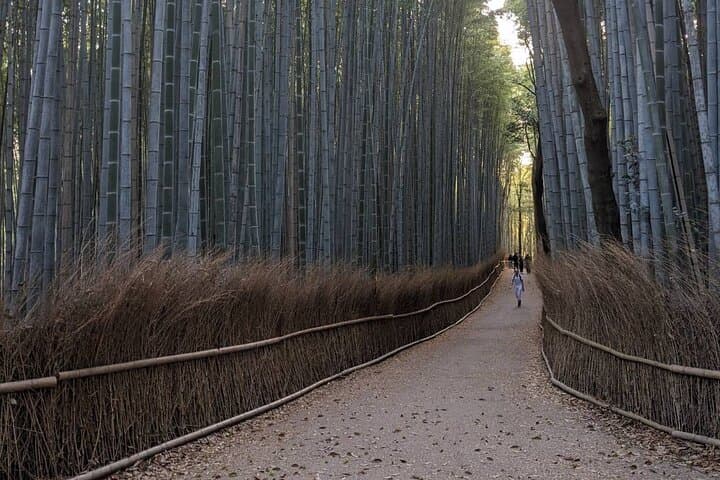
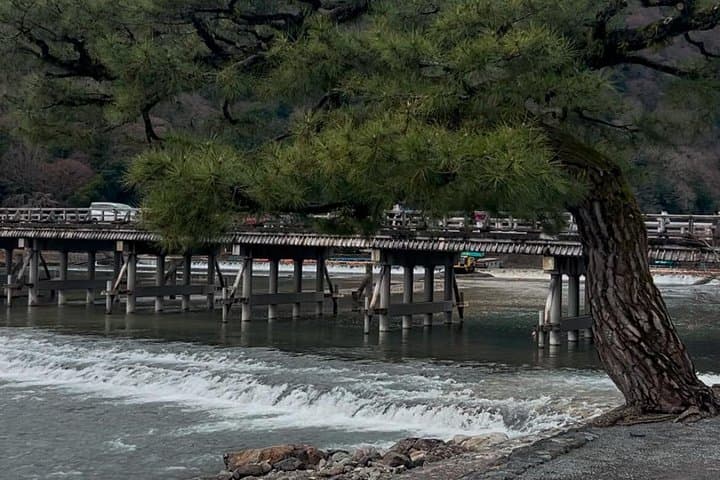
Morning air slips through towering bamboo as runners fall into an easy rhythm beneath a green roof. The Zen Run in Arashiyama moves at a conversational jog, threading Togetsukyo Bridge, temple gardens, and riverside trails so the landscape feels like a moving meditation rather than a race.
Morning air slips through towering bamboo as runners fall into an easy rhythm beneath a green roof. The Zen Run in Arashiyama moves at a conversational jog, threading Togetsukyo Bridge, temple gardens, and riverside trails so the landscape feels like a moving meditation rather than a race.
Arashiyama’s story stretches from Heian-era pleasure gardens to the Zen temples of Tenryu-ji, whose Sogenchi gardens reflect a design language more than a view. Geologically, this corner of Kyoto sits on river-fed alluvial flats backed by low volcanic hills; paths alternate between compact paths and root-laced temple stairs. Culturally, the route passes shrines tied to classical court life and shrines mentioned by writers like Murasaki Shikibu, giving each stop a tangible link to Japan’s imperial past.
Expect a mix of paved promenades, packed-earth trails, and one short uphill to the Iwatayama Monkey Park where Japanese macaques roam. The guide balances pace, history, and photo stops — and on Wednesdays the route swaps Otagi Nenbutsu-ji for Adachi no Nenbutsuji.
Practical guidance: arrive with a light warm-up, wear road-to-trail running shoes, and plan for frequent pauses for photos and short cultural talks. Carry at least 500–750 ml of water, small local currency for temple admissions, and a lightweight layer for changing shade and river breezes. Respect wildlife viewing rules at the monkey park and keep to marked routes to protect bamboo roots and temple gardens. The run is ideal as a morning activity to avoid crowds and the midday humidity of Kyoto.