THE ADVENTURE COLLECTIVE® · Independent discovery and booking for outdoor travel

Spend three hours in Yamanashi practicing zazen, calligraphy, tea ceremony and a guided forest walk led by a Buddhist monk. This practical retreat mixes instruction with quiet outdoor time and an optional shojin lunch.
Spend three hours in Yamanashi practicing zazen, calligraphy, tea ceremony and a guided forest walk led by a Buddhist monk. This practical retreat mixes instruction with quiet outdoor time and an optional shojin lunch.
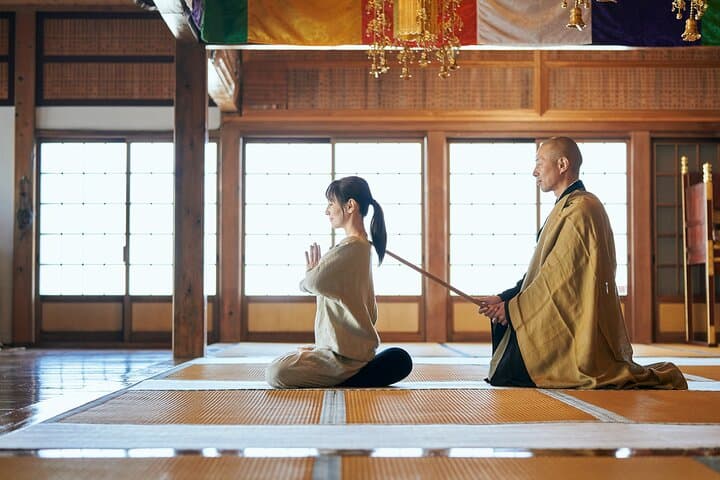
You step from a quiet lane into the cool hush of cedar and hinoki, the air carrying a clean, mineral scent from nearby streams. A monk in plain robes greets the group with a slight bow; inside the wooden hall the world narrows to breath, paper, and ink.
Verified experiences and guided adventures in the surrounding area.
Operated by 株式会社Japanticket · Kofu, Yamanashi
You step from a quiet lane into the cool hush of cedar and hinoki, the air carrying a clean, mineral scent from nearby streams. A monk in plain robes greets the group with a slight bow; inside the wooden hall the world narrows to breath, paper, and ink.
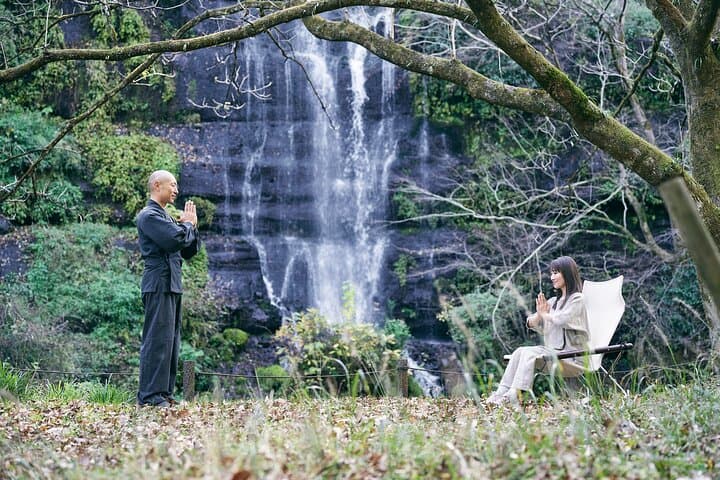
This three‑hour Zen program in Yamanashi blends seated zazen, a tea ceremony, calligraphy (shakyō) and a guided zen walk through forested trails and near waterfalls. The region’s landscape — volcanic soils, low granite ridges and temperate broadleaf forest — shapes the practice: steps that slow to listen to water and wind feel rooted in both geology and ritual. Japan’s Zen tradition, introduced and refined over centuries, informs simple, focused activities like shojin (Buddhist vegan) cuisine and the meditative discipline of brushwork.
Culturally the experience leans practical: posture alignment, breath counts, etiquette around tea and shared silence. Locals value minimalism and seasonal attention; the program often swaps elements by season (longer walks in spring, more indoor calligraphy in winter).
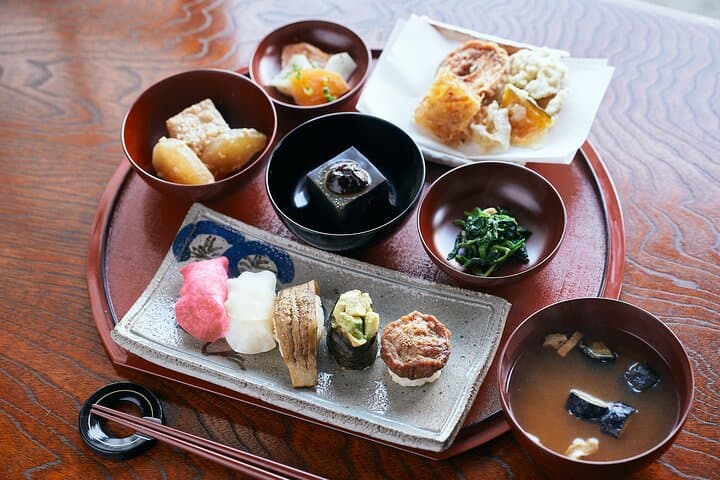
Practical guidance: arrive with clean, quiet clothing and socks (you’ll remove shoes). Expect guided instruction — no prior meditation skill is required, but basic mobility for a 45–60 minute gentle forest walk is needed. Phones are discouraged; bring a small towel, refillable water bottle, and a light layer for cool temple halls. If you add the lunch option, avail of shojin noodles — simple, plant‑based, and part of the lesson.
This retreat is more practice than spectacle: it pares away distractions so you can return home steadier, clearer, and, often, a little quieter.
moderate.
3–4 hours.
Suitable for people who can stand or sit cross‑legged for short periods and handle a gentle 45–60 minute walk; moderate mobility recommended.
No — instructors guide beginners through basic posture, breath work and zazen; all levels are welcome.
There are two options: the core 3‑hour program, or a 4‑hour option that includes shojin (vegan) lunch and extended instruction.
Programs often include English guidance, but ask at booking if you require a specific language support.
This program is sold as all‑sales‑final; confirm details at booking since refunds are not provided for cancellations.
Zen practice in the region draws on centuries of Soto and Rinzai influence; local temples often preserve simple rituals and farm‑to‑temple cuisine.
Participants are asked to follow leave‑no‑trace principles and stay on marked paths; the programs support small local temples and respect seasonal trail closures.
株式会社Japanticket operates guided outdoor trips and adventures with an emphasis on safety, stewardship, and memorable experiences.

You step from a quiet lane into the cool hush of cedar and hinoki, the air carrying a clean, mineral scent from nearby streams. A monk in plain robes greets the group with a slight bow; inside the wooden hall the world narrows to breath, paper, and ink.
You step from a quiet lane into the cool hush of cedar and hinoki, the air carrying a clean, mineral scent from nearby streams. A monk in plain robes greets the group with a slight bow; inside the wooden hall the world narrows to breath, paper, and ink.
This three‑hour Zen program in Yamanashi blends seated zazen, a tea ceremony, calligraphy (shakyō) and a guided zen walk through forested trails and near waterfalls. The region’s landscape — volcanic soils, low granite ridges and temperate broadleaf forest — shapes the practice: steps that slow to listen to water and wind feel rooted in both geology and ritual. Japan’s Zen tradition, introduced and refined over centuries, informs simple, focused activities like shojin (Buddhist vegan) cuisine and the meditative discipline of brushwork.
Culturally the experience leans practical: posture alignment, breath counts, etiquette around tea and shared silence. Locals value minimalism and seasonal attention; the program often swaps elements by season (longer walks in spring, more indoor calligraphy in winter).
Practical guidance: arrive with clean, quiet clothing and socks (you’ll remove shoes). Expect guided instruction — no prior meditation skill is required, but basic mobility for a 45–60 minute gentle forest walk is needed. Phones are discouraged; bring a small towel, refillable water bottle, and a light layer for cool temple halls. If you add the lunch option, avail of shojin noodles — simple, plant‑based, and part of the lesson.
This retreat is more practice than spectacle: it pares away distractions so you can return home steadier, clearer, and, often, a little quieter.