THE ADVENTURE COLLECTIVE® · Independent discovery and booking for outdoor travel

A half‑day escape from Santiago to Zapallar combines an easy summit at Cerro La Cruz, a local boat trip to Isla Cachagua for bird and penguin viewing, and a coastal seafood tasting. Expect relaxed walking, coastal panoramas, and weather‑dependent navigation.
A half‑day escape from Santiago to Zapallar combines an easy summit at Cerro La Cruz, a local boat trip to Isla Cachagua for bird and penguin viewing, and a coastal seafood tasting. Expect relaxed walking, coastal panoramas, and weather‑dependent navigation.
The morning air off the Chilean Pacific is sharp and cool as the group leaves Santiago and winds north toward Zapallar. Roads drop from scrubby hills to a coastline of white sand and compact architecture; the town appears as a cluster of low, European‑influenced houses perched above the beach. A short, easy climb up Cerro La Cruz opens the view: the ocean stretches hard and gray, Cachagua Island punctuates the horizon, and gulls wheel like punctuation marks over the water.
Verified experiences and guided adventures in the surrounding area.
Operated by Servitour · Zapallar, Valparaíso
The morning air off the Chilean Pacific is sharp and cool as the group leaves Santiago and winds north toward Zapallar. Roads drop from scrubby hills to a coastline of white sand and compact architecture; the town appears as a cluster of low, European‑influenced houses perched above the beach. A short, easy climb up Cerro La Cruz opens the view: the ocean stretches hard and gray, Cachagua Island punctuates the horizon, and gulls wheel like punctuation marks over the water.
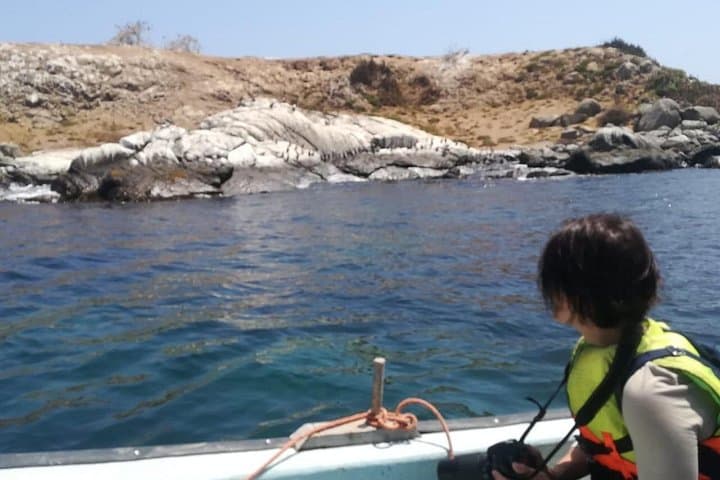
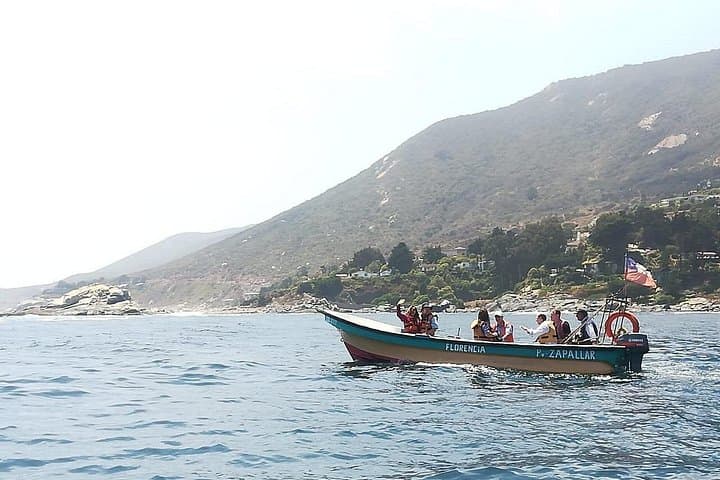
Zapallar’s name comes from Mapudungun—“place of pumpkins”—and the village still carries a mid‑20th‑century architectural imprint left by visiting European designers. Geologically the headland is coastal granite and marine terraces, worn by Humboldt Current swells that nurture a rich nearshore ecosystem. Local fishermen who know the currents and coves guide the short boat crossing to Isla Cachagua, a protected natural monument and seasonal refuge for Humboldt penguins and coastal birds.
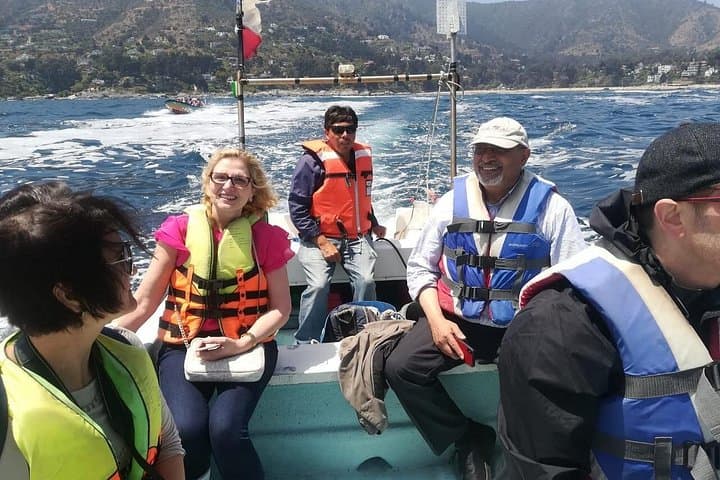
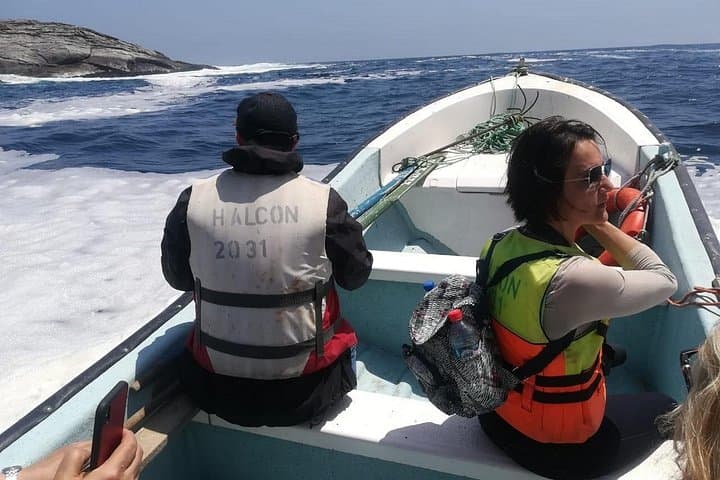
The day mixes a low‑grade nature trek, a one‑hour boat excursion (weather dependent), and a sit‑down tasting of seafood empanadas and Chilean wine at a family‑run chiringuito. Trails are well maintained but exposed to sun and wind; the boat ride can be bouncy in swell.
Practical tips: book morning departures to avoid afternoon winds, bring sun protection and a wind layer, and expect a casual pace—this is a scenic, social excursion rather than a technical hike. For wildlife sightings, quieter behavior and patient observation from the boat improve chances of seeing penguins and herons.
easy.
6 hours.
Suitable for most fitness levels; requires walking on uneven terrain for short periods and boarding a small boat.
The guided crossing to Isla Cachagua typically lasts about one hour round‑trip, though time on the island/observation points will vary by weather.
Humboldt penguins are seasonal and sightings are more likely during breeding and feeding periods; sightings are never guaranteed and depend on conditions.
Yes — the Cerro La Cruz trek is low difficulty with short climbs; families and older visitors in reasonable health generally manage comfortably.
If conditions prevent navigation the itinerary focuses on extended coastal walks, village architecture highlights, and the chiringuito tasting; organizers usually offer a refund if the primary activity is canceled.
Zapallar attracted European architects in the 1960s, leaving a strong Italian and German influence on its low‑rise coastal houses; its Mapudungun name reflects pre‑colonial place naming.
Isla Cachagua is designated a Natural Monument to protect Humboldt penguin habitat; visitors are urged to minimize noise, avoid littering, and follow guides' instructions to reduce disturbance.
Servitour operates guided outdoor trips and adventures with an emphasis on safety, stewardship, and memorable experiences.
The morning air off the Chilean Pacific is sharp and cool as the group leaves Santiago and winds north toward Zapallar. Roads drop from scrubby hills to a coastline of white sand and compact architecture; the town appears as a cluster of low, European‑influenced houses perched above the beach. A short, easy climb up Cerro La Cruz opens the view: the ocean stretches hard and gray, Cachagua Island punctuates the horizon, and gulls wheel like punctuation marks over the water.
The morning air off the Chilean Pacific is sharp and cool as the group leaves Santiago and winds north toward Zapallar. Roads drop from scrubby hills to a coastline of white sand and compact architecture; the town appears as a cluster of low, European‑influenced houses perched above the beach. A short, easy climb up Cerro La Cruz opens the view: the ocean stretches hard and gray, Cachagua Island punctuates the horizon, and gulls wheel like punctuation marks over the water.
Zapallar’s name comes from Mapudungun—“place of pumpkins”—and the village still carries a mid‑20th‑century architectural imprint left by visiting European designers. Geologically the headland is coastal granite and marine terraces, worn by Humboldt Current swells that nurture a rich nearshore ecosystem. Local fishermen who know the currents and coves guide the short boat crossing to Isla Cachagua, a protected natural monument and seasonal refuge for Humboldt penguins and coastal birds.
The day mixes a low‑grade nature trek, a one‑hour boat excursion (weather dependent), and a sit‑down tasting of seafood empanadas and Chilean wine at a family‑run chiringuito. Trails are well maintained but exposed to sun and wind; the boat ride can be bouncy in swell.
Practical tips: book morning departures to avoid afternoon winds, bring sun protection and a wind layer, and expect a casual pace—this is a scenic, social excursion rather than a technical hike. For wildlife sightings, quieter behavior and patient observation from the boat improve chances of seeing penguins and herons.