THE ADVENTURE COLLECTIVE® · Independent discovery and booking for outdoor travel

A seamless pairing of beachfront relaxation and airborne safari, this 7-day flying holiday shuttles you between Zanzibar’s coast and the Serengeti’s plains to chase the Great Migration. Expect pop-up‑roof game drives, mobile camps during peak action, and a few days of beach recovery.
A seamless pairing of beachfront relaxation and airborne safari, this 7-day flying holiday shuttles you between Zanzibar’s coast and the Serengeti’s plains to chase the Great Migration. Expect pop-up‑roof game drives, mobile camps during peak action, and a few days of beach recovery.
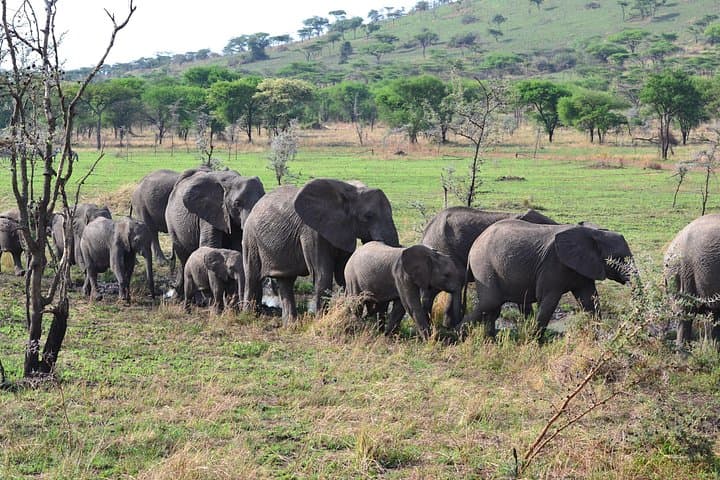
You lift off from Zanzibar as dawn washes the Indian Ocean in gold, and within an hour the endless grasslands of the Serengeti open beneath you—an ocean of tawny blades punctuated by lone acacia and slow-moving herds. A light aircraft lands on a dusty airstrip; your guide meets you and the pulse of the plains replaces the hush of the beach.
Verified experiences and guided adventures in the surrounding area.
Operated by Go-Giraffe Safaris Limited · Seronera, Mara Region
You lift off from Zanzibar as dawn washes the Indian Ocean in gold, and within an hour the endless grasslands of the Serengeti open beneath you—an ocean of tawny blades punctuated by lone acacia and slow-moving herds. A light aircraft lands on a dusty airstrip; your guide meets you and the pulse of the plains replaces the hush of the beach.
The Serengeti’s name comes from a Maasai word for “endless plains.” Geologically young, the ecosystem is shaped by volcanic soils and seasonal rains that drive the Great Migration—an ancient, cyclical movement of wildebeest and zebra that peaks June–October across the central and western corridors, and again during the calving pulse in Ndutu from January to March. Cultural threads run through the itinerary: Maasai communities, colonial-era airstrips, and the modern mobile camps that follow the game.
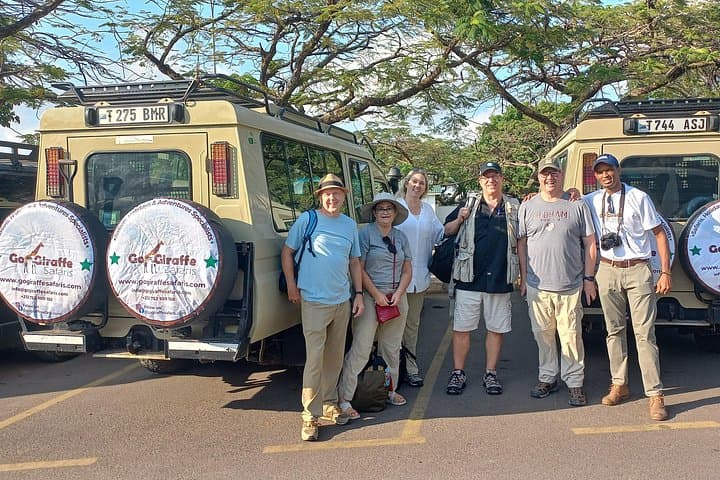
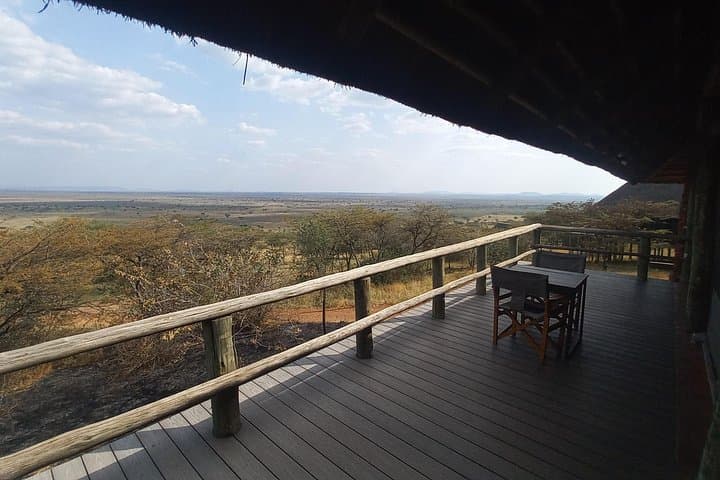
Expect daily game drives from pop-up-roof 4x4s, early starts to catch predators at dawn, and evenings in well-appointed bush camps or beachfront hotels back in Zanzibar. Wildlife viewing is vehicle-based; long walks are optional. The program pairs concentrated safari time with a few days of relaxation on Zanzibar’s white-sand beaches—ideal for decompression after the intensity of wildlife viewing.
Practical tips: travel light but bring long-sleeve layers for cool mornings, a 300–600mm telephoto lens if you photograph, and malaria prophylaxis as recommended. Book June–October for river crossings and predator encounters, or January–March for calving and neonate sightings. Hydrate, charge spare batteries, and be ready for game-driven itinerary adjustments—serengeti time follows the animals, not the clock.
easy.
7 days.
Moderate mobility recommended; activity is mostly vehicle-based with optional short walks
June–October is best for river crossings and concentrated herds in the central and western corridors; January–March is peak calving in the Ndutu area.
Yes—this itinerary uses scheduled domestic flights to save travel time and maximize safari hours.
Yellow fever proof depends on origin; malaria prophylaxis is recommended—consult your doctor for up-to-date advice.
This is a luxury flying safari with upscale bush camps and beachfront hotels offering hot showers, full meals and comfortable bedding.
The Serengeti has supported pastoral Maasai communities for centuries and later became a protected park in the mid-20th century to conserve migratory routes.
Tourism funding supports anti-poaching and habitat protection; visitors can reduce impact by following vehicle rules, avoiding single-use plastics and respecting wildlife distances.
Go-Giraffe Safaris Limited operates guided outdoor trips and adventures with an emphasis on safety, stewardship, and memorable experiences.
You lift off from Zanzibar as dawn washes the Indian Ocean in gold, and within an hour the endless grasslands of the Serengeti open beneath you—an ocean of tawny blades punctuated by lone acacia and slow-moving herds. A light aircraft lands on a dusty airstrip; your guide meets you and the pulse of the plains replaces the hush of the beach.
You lift off from Zanzibar as dawn washes the Indian Ocean in gold, and within an hour the endless grasslands of the Serengeti open beneath you—an ocean of tawny blades punctuated by lone acacia and slow-moving herds. A light aircraft lands on a dusty airstrip; your guide meets you and the pulse of the plains replaces the hush of the beach.
The Serengeti’s name comes from a Maasai word for “endless plains.” Geologically young, the ecosystem is shaped by volcanic soils and seasonal rains that drive the Great Migration—an ancient, cyclical movement of wildebeest and zebra that peaks June–October across the central and western corridors, and again during the calving pulse in Ndutu from January to March. Cultural threads run through the itinerary: Maasai communities, colonial-era airstrips, and the modern mobile camps that follow the game.
Expect daily game drives from pop-up-roof 4x4s, early starts to catch predators at dawn, and evenings in well-appointed bush camps or beachfront hotels back in Zanzibar. Wildlife viewing is vehicle-based; long walks are optional. The program pairs concentrated safari time with a few days of relaxation on Zanzibar’s white-sand beaches—ideal for decompression after the intensity of wildlife viewing.
Practical tips: travel light but bring long-sleeve layers for cool mornings, a 300–600mm telephoto lens if you photograph, and malaria prophylaxis as recommended. Book June–October for river crossings and predator encounters, or January–March for calving and neonate sightings. Hydrate, charge spare batteries, and be ready for game-driven itinerary adjustments—serengeti time follows the animals, not the clock.