THE ADVENTURE COLLECTIVE® · Independent discovery and booking for outdoor travel

A two-to-three hour private walking tour through Zanzibar’s Stone Town that weaves seaside promenades, spice stalls, and historic alleys into a compact cultural exploration. Ideal for travelers who want local context, market flavor and accessible urban adventure.
A two-to-three hour private walking tour through Zanzibar’s Stone Town that weaves seaside promenades, spice stalls, and historic alleys into a compact cultural exploration. Ideal for travelers who want local context, market flavor and accessible urban adventure.
You assemble at the podium in Forodhani Park as the ocean breeze pushes warm air across the promenade, carrying the smell of spices and grilling fish. The guide leads you into a tangle of narrow lanes where carved wooden doors stand like old storytellers and the pavement tilts beneath boat-hauling footsteps. Light filters through linen awnings while the sea quietly frames the town beyond.
Verified experiences and guided adventures in the surrounding area.
Operated by Kassim kindness official tour guide · Stone Town, Zanzibar
You assemble at the podium in Forodhani Park as the ocean breeze pushes warm air across the promenade, carrying the smell of spices and grilling fish. The guide leads you into a tangle of narrow lanes where carved wooden doors stand like old storytellers and the pavement tilts beneath boat-hauling footsteps. Light filters through linen awnings while the sea quietly frames the town beyond.
Stone Town’s streets tell a layered history: Omani sultans, Swahili traders, and 19th-century commerce shaped its maze. Architecturally, many structures are built of coral rag and lime—stones lifted from the reef and pressed into walls that breathe in the humidity. Cultural touchstones appear at every turn: ornate doors, the former slave market quarter, and small chapels and mosques that mark a plural past.
The tour passes spice stalls and a vibrant fish market where bargaining is part theatre. Expect short stops at key sites such as the House of Wonders and alleys that open onto unexpected rooftop views of the harbor. Guides usually allow time to ask questions and to linger where the market pulls you in.
Practical guidance: wear sturdy, closed-toe walking shoes—the stones are uneven and often slippery. Carry water, modest clothing for respectful entry near religious sites, and small cash for optional admissions and market purchases. Plan the walk for morning or late afternoon to avoid the midday heat; bring sunscreen and a hat. The route is private and suitable for most fitness levels but be prepared for tight spaces and sudden crowds.
easy.
2–3 hours.
Suitable for most fitness levels; requires steady mobility for uneven cobbles and some standing.
The meeting point is the podium at the center of Forodhani Park on the seafront; check your booking confirmation for exact pickup time.
No—entrance fees to some sites and museums are optional and should be paid by the traveler if they wish to enter.
The tour is family-friendly but many alleys are narrow and uneven, which can make stroller use difficult; consider a carrier for very young children.
Language options vary by guide and operator—confirm language needs when booking or ask the provider to note any requirements.
Stone Town was a major Swahili trading port and a crossroads of African, Arab, Indian and European influences; its historic center is a UNESCO World Heritage Site.
Tourism pressures and coastal erosion strain local resources—respect sites, avoid single-use plastics, and hire licensed local guides to support sustainable livelihoods.
Kassim kindness official tour guide operates guided outdoor trips and adventures with an emphasis on safety, stewardship, and memorable experiences.
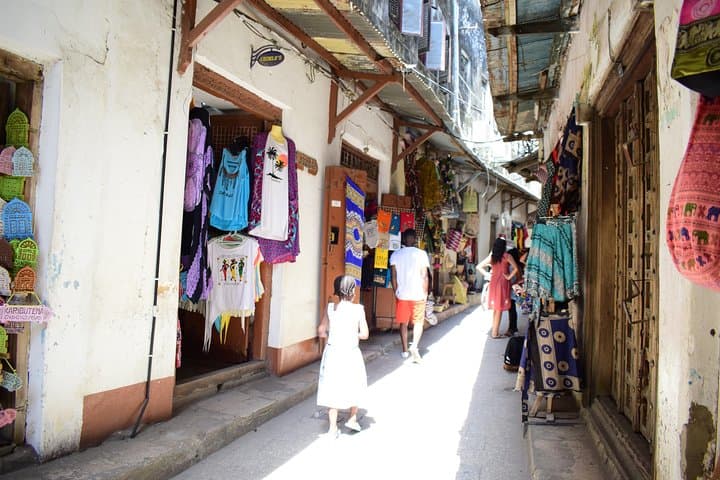
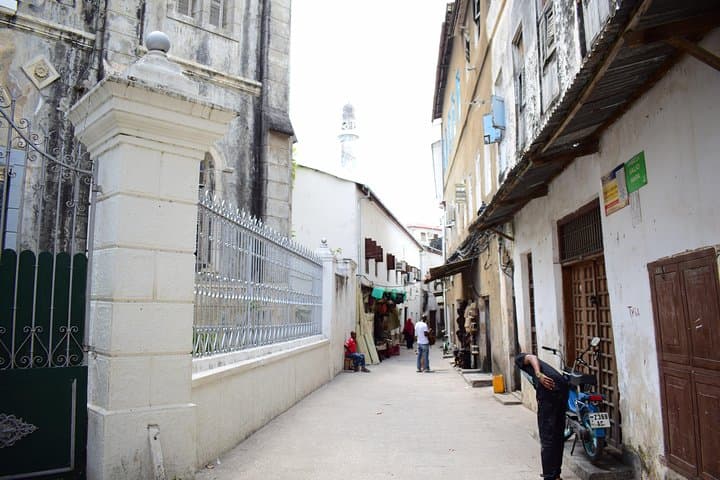
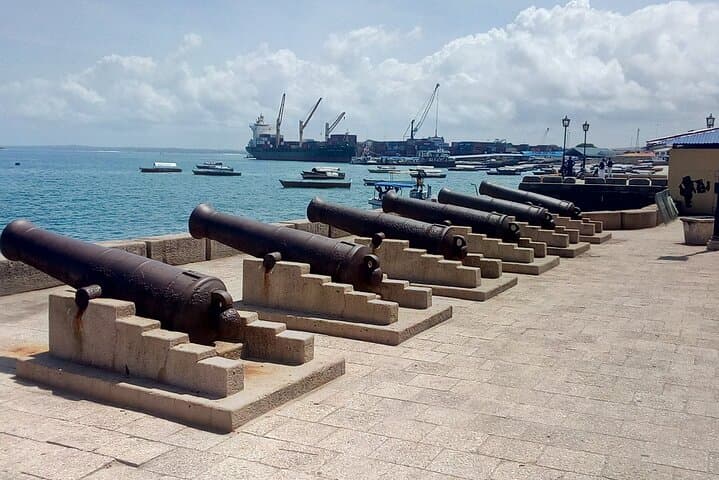

You assemble at the podium in Forodhani Park as the ocean breeze pushes warm air across the promenade, carrying the smell of spices and grilling fish. The guide leads you into a tangle of narrow lanes where carved wooden doors stand like old storytellers and the pavement tilts beneath boat-hauling footsteps. Light filters through linen awnings while the sea quietly frames the town beyond.
You assemble at the podium in Forodhani Park as the ocean breeze pushes warm air across the promenade, carrying the smell of spices and grilling fish. The guide leads you into a tangle of narrow lanes where carved wooden doors stand like old storytellers and the pavement tilts beneath boat-hauling footsteps. Light filters through linen awnings while the sea quietly frames the town beyond.
Stone Town’s streets tell a layered history: Omani sultans, Swahili traders, and 19th-century commerce shaped its maze. Architecturally, many structures are built of coral rag and lime—stones lifted from the reef and pressed into walls that breathe in the humidity. Cultural touchstones appear at every turn: ornate doors, the former slave market quarter, and small chapels and mosques that mark a plural past.
The tour passes spice stalls and a vibrant fish market where bargaining is part theatre. Expect short stops at key sites such as the House of Wonders and alleys that open onto unexpected rooftop views of the harbor. Guides usually allow time to ask questions and to linger where the market pulls you in.
Practical guidance: wear sturdy, closed-toe walking shoes—the stones are uneven and often slippery. Carry water, modest clothing for respectful entry near religious sites, and small cash for optional admissions and market purchases. Plan the walk for morning or late afternoon to avoid the midday heat; bring sunscreen and a hat. The route is private and suitable for most fitness levels but be prepared for tight spaces and sudden crowds.