THE ADVENTURE COLLECTIVE® · Independent discovery and booking for outdoor travel

Taste Zanzibar’s spices and walk the limestone alleys of Stone Town on a compact 2–3 hour tour that combines botany, history and local flavor. Perfect for travelers who want sensory context—fresh fruit, spice demonstrations and a guided stroll through centuries of trade and architecture.
Taste Zanzibar’s spices and walk the limestone alleys of Stone Town on a compact 2–3 hour tour that combines botany, history and local flavor. Perfect for travelers who want sensory context—fresh fruit, spice demonstrations and a guided stroll through centuries of trade and architecture.
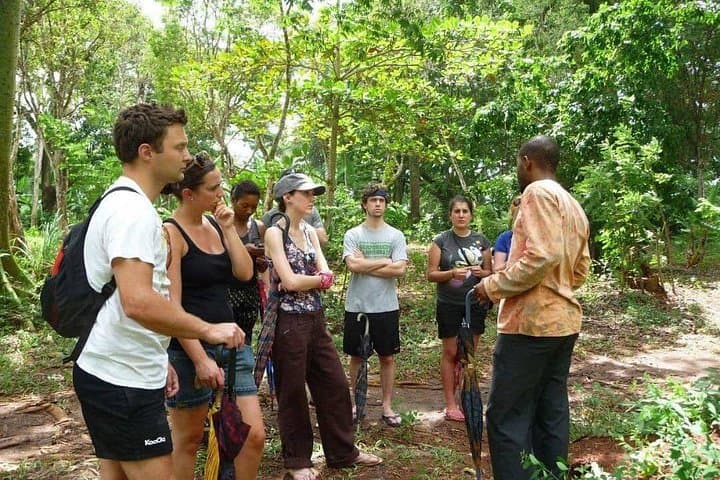
You step off the ferry into the tangle of alleys that make up Stone Town and a warm, clove-heavy breeze seems to pull you toward the shore. The guide leads you through carved wooden doors and narrow lanes where laundry swings like flags and the rhythm of daily life presses close; later you’ll follow a dirt track inland where cinnamon, cardamom and vanilla trees shade the path and the air tastes like the island itself.
Verified experiences and guided adventures in the surrounding area.
Operated by Africatrips · Stone Town, Zanzibar
You step off the ferry into the tangle of alleys that make up Stone Town and a warm, clove-heavy breeze seems to pull you toward the shore. The guide leads you through carved wooden doors and narrow lanes where laundry swings like flags and the rhythm of daily life presses close; later you’ll follow a dirt track inland where cinnamon, cardamom and vanilla trees shade the path and the air tastes like the island itself.
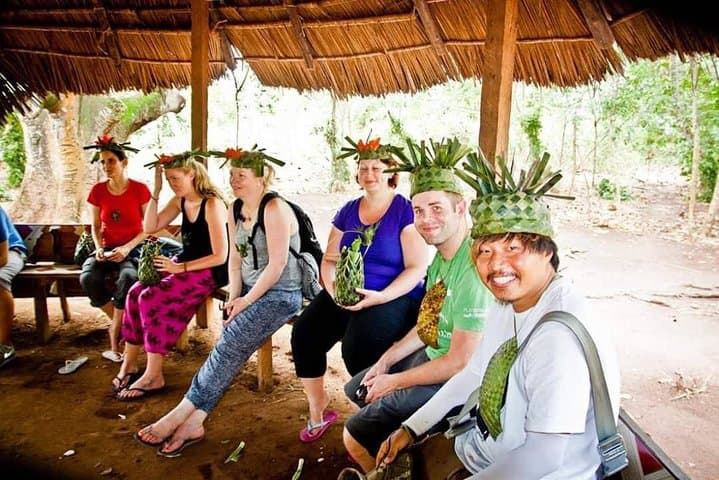
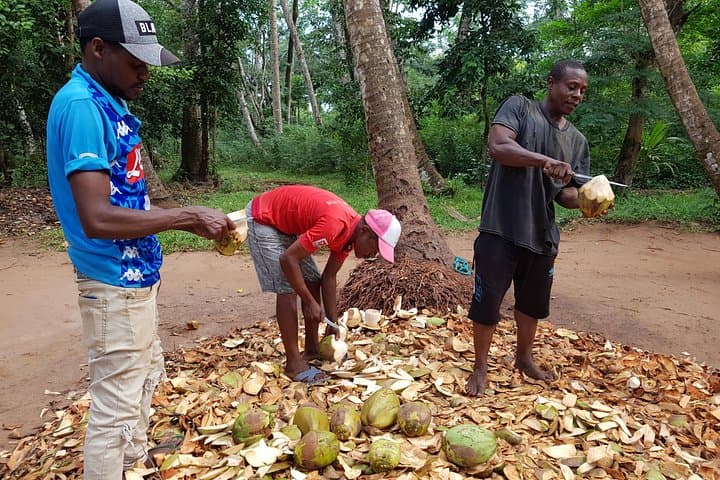
Stone Town wears its history on its facades: Omani merchant houses, coral-stone walls and the arches that mark centuries of trade and the painful legacy of the slave trade. Geologically the island rises from ancient coral reef, its lime-mixed stone houses reflecting that marine history. In the spice gardens you’ll learn how local cultivation methods turn small plots into concentrated pockets of scent and flavor; trees, vines and medicinal herbs are identified and offered fresh to taste.
Practical side: the combined tour runs about 2–3 hours, mostly on flat streets and garden tracks; light walking shoes are fine. Expect open sun at the spice farm and tight, sometimes shaded alleys in Stone Town—carry water and sun protection. Bring local currency for small purchases, and allow an hour to linger at the Old Fort or a rooftop cafe after the guided portion ends.
This experience is equal parts cultural history and botanical walk: it’s efficient for travelers wanting context and sensory detail in a short window, and it’s friendly to most fitness levels.
easy.
2–3 hours.
Suitable for most fitness levels; requires standing and short walks on uneven surfaces.
The guided portion is about 2–3 hours total, typically split between roughly 60–90 minutes in Stone Town and 60–90 minutes at a spice farm, depending on pace.
Many operators note wheelchair and stroller accessibility for main streets and transport, but some alleys and spice garden paths may be uneven—check with the operator for specific mobility needs.
Lunch or a light meal is usually included with this offering and fresh fruit tastings are common at spice gardens; confirm dietary needs when booking.
Tipping guides and drivers is customary—small amounts in local currency are appreciated; carry change for this purpose.
Stone Town grew as an Indian Ocean trading hub under Omani rule; its coral stone architecture and narrow lanes reflect centuries of Arab, African and Indian influence, and the island was a central node in the 19th-century slave and spice trades.
Visitors should avoid buying products from unsustainably harvested plants and support local guides; preservation of Stone Town’s coral-stone buildings depends on respectful tourism and low-impact visitation.
Africatrips operates guided outdoor trips and adventures with an emphasis on safety, stewardship, and memorable experiences.

You step off the ferry into the tangle of alleys that make up Stone Town and a warm, clove-heavy breeze seems to pull you toward the shore. The guide leads you through carved wooden doors and narrow lanes where laundry swings like flags and the rhythm of daily life presses close; later you’ll follow a dirt track inland where cinnamon, cardamom and vanilla trees shade the path and the air tastes like the island itself.
You step off the ferry into the tangle of alleys that make up Stone Town and a warm, clove-heavy breeze seems to pull you toward the shore. The guide leads you through carved wooden doors and narrow lanes where laundry swings like flags and the rhythm of daily life presses close; later you’ll follow a dirt track inland where cinnamon, cardamom and vanilla trees shade the path and the air tastes like the island itself.
Stone Town wears its history on its facades: Omani merchant houses, coral-stone walls and the arches that mark centuries of trade and the painful legacy of the slave trade. Geologically the island rises from ancient coral reef, its lime-mixed stone houses reflecting that marine history. In the spice gardens you’ll learn how local cultivation methods turn small plots into concentrated pockets of scent and flavor; trees, vines and medicinal herbs are identified and offered fresh to taste.
Practical side: the combined tour runs about 2–3 hours, mostly on flat streets and garden tracks; light walking shoes are fine. Expect open sun at the spice farm and tight, sometimes shaded alleys in Stone Town—carry water and sun protection. Bring local currency for small purchases, and allow an hour to linger at the Old Fort or a rooftop cafe after the guided portion ends.
This experience is equal parts cultural history and botanical walk: it’s efficient for travelers wanting context and sensory detail in a short window, and it’s friendly to most fitness levels.