THE ADVENTURE COLLECTIVE® · Independent discovery and booking for outdoor travel

In three immersive hours on a working spice farm near Stone Town you’ll smell, taste and learn the farming and cultural history behind Zanzibar’s famed spices. The tour pairs hands-on demos with a spice-infused lunch and chances to buy fresh produce directly from growers.
In three immersive hours on a working spice farm near Stone Town you’ll smell, taste and learn the farming and cultural history behind Zanzibar’s famed spices. The tour pairs hands-on demos with a spice-infused lunch and chances to buy fresh produce directly from growers.
You step off the shade of a neem tree and the air changes — warm, humid, and layered with clove, cinnamon, and cardamom that roll like a quiet tide across the farm.
Verified experiences and guided adventures in the surrounding area.
Operated by Africa Experience Tours · Stone Town, Zanzibar
You step off the shade of a neem tree and the air changes — warm, humid, and layered with clove, cinnamon, and cardamom that roll like a quiet tide across the farm.
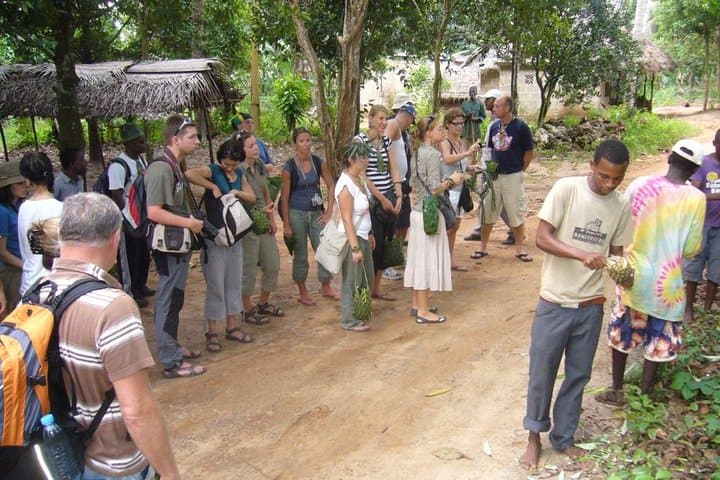
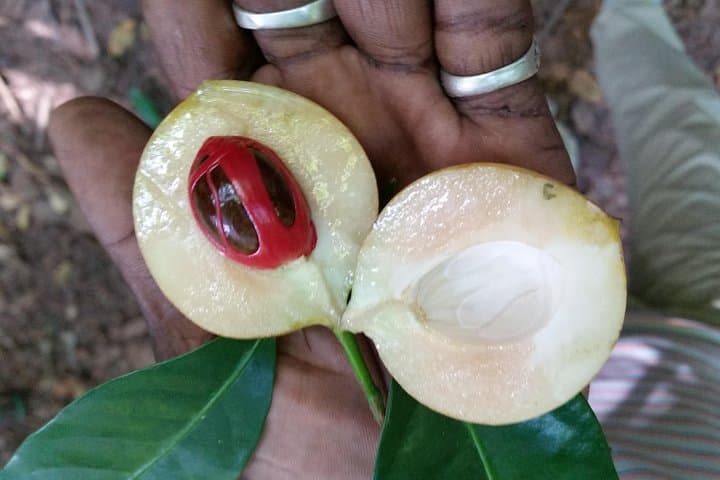
This three-hour spice tour takes you from compact demonstration plots to taller orchards where vanilla vines and nutmeg trees elbow sunlight. Guides — often local farmers whose families have tended these plots for generations — lead hands-on demos: you snap open a pod, taste raw turmeric, and watch coconut oil being pressed.
Zanzibar’s spice story is a blunt, global one. The island’s cloves and cinnamon once routed trade across the Indian Ocean, shaping Omani rule and European colonization and intersecting with the dark history of the slave trade. Geologically the island is coral limestone over ancient reefs; soils are porous and fed by a tropical, monsoonal climate that gives spices their intense aroma.
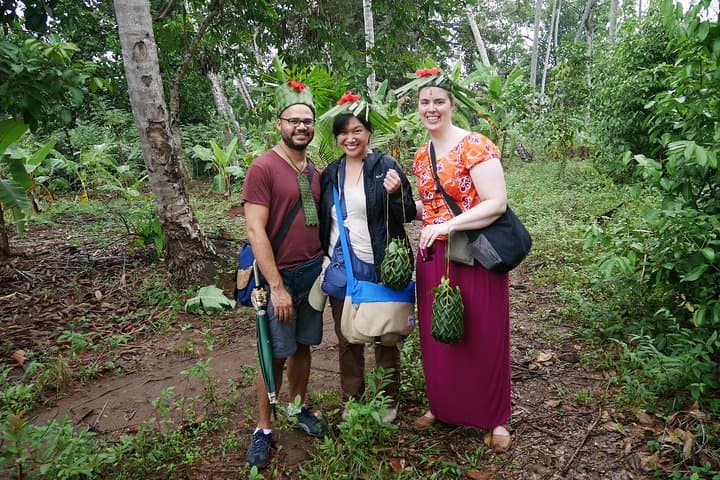
Culturally the farms are practical classrooms — you’ll learn cooking tips, herbal remedies, and simple craft skills like palm-weaving. Expect a communal spice-infused lunch: pilau rice, coconut curry, spiced tea — flavors brightened by the very plants you’ve just handled.
Practicalities: tours are easy walking on packed dirt with some roots and shallow steps. Wear closed-toe shoes, bring sunscreen and insect repellent, and carry a refillable water bottle. Mornings are cooler and more aromatic; midday is when the sun makes oils bloom and scents climb.
Buy spices directly from growers to support local families; taste before you buy and pack purchases in checked luggage for air travel.
easy.
3–4 hours.
Suitable for all fitness levels; involves short, easy walks and standing demonstrations
Yes — most operators include private transport from Stone Town; confirm pickup location and time when booking.
Yes — a spice-infused Zanzibari lunch is typically part of the itinerary and reflects what you’ve seen on the farm.
Yes — fresh, dried, and ground spices are sold directly by growers; pack them in checked luggage and ask vendors for sealed packaging.
Generally yes — the walking is easy and family-friendly, though infants should sit on laps and sun/insect protection is recommended.
Zanzibar’s spice economy expanded under Omani rule in the 18th–19th centuries and became intertwined with Indian Ocean trade and the island’s colonial and slave-trade history.
Many farms emphasize sustainable, small-scale agriculture and community-based tourism; visitors should avoid single-use plastics and buy directly from growers to support local incomes.
Africa Experience Tours operates guided outdoor trips and adventures with an emphasis on safety, stewardship, and memorable experiences.

You step off the shade of a neem tree and the air changes — warm, humid, and layered with clove, cinnamon, and cardamom that roll like a quiet tide across the farm.
You step off the shade of a neem tree and the air changes — warm, humid, and layered with clove, cinnamon, and cardamom that roll like a quiet tide across the farm.
This three-hour spice tour takes you from compact demonstration plots to taller orchards where vanilla vines and nutmeg trees elbow sunlight. Guides — often local farmers whose families have tended these plots for generations — lead hands-on demos: you snap open a pod, taste raw turmeric, and watch coconut oil being pressed.
Zanzibar’s spice story is a blunt, global one. The island’s cloves and cinnamon once routed trade across the Indian Ocean, shaping Omani rule and European colonization and intersecting with the dark history of the slave trade. Geologically the island is coral limestone over ancient reefs; soils are porous and fed by a tropical, monsoonal climate that gives spices their intense aroma.
Culturally the farms are practical classrooms — you’ll learn cooking tips, herbal remedies, and simple craft skills like palm-weaving. Expect a communal spice-infused lunch: pilau rice, coconut curry, spiced tea — flavors brightened by the very plants you’ve just handled.
Practicalities: tours are easy walking on packed dirt with some roots and shallow steps. Wear closed-toe shoes, bring sunscreen and insect repellent, and carry a refillable water bottle. Mornings are cooler and more aromatic; midday is when the sun makes oils bloom and scents climb.
Buy spices directly from growers to support local families; taste before you buy and pack purchases in checked luggage for air travel.