THE ADVENTURE COLLECTIVE® · Independent discovery and booking for outdoor travel

Taste raw cloves on a family-run farm, wander the narrow alleys of Stone Town and meet giant tortoises on Prison Island on this private 4–6 hour tour. Practical tips and local history prepare you for a sensory day in Zanzibar.
Taste raw cloves on a family-run farm, wander the narrow alleys of Stone Town and meet giant tortoises on Prison Island on this private 4–6 hour tour. Practical tips and local history prepare you for a sensory day in Zanzibar.
You step off the shaded van into a humid stitch of cloves, cinnamon and lemongrass — the spice farm hums with insects and the quick chatter of guides cracking open pods. Later, the maze of Stone Town’s alleys opens like a living map: carved doorways, coral-stone facades and the plank-worn corners where traders once met.
Verified experiences and guided adventures in the surrounding area.
Operated by KamalDestinationTours zanzibar · Stone Town, Zanzibar Urban/West
You step off the shaded van into a humid stitch of cloves, cinnamon and lemongrass — the spice farm hums with insects and the quick chatter of guides cracking open pods. Later, the maze of Stone Town’s alleys opens like a living map: carved doorways, coral-stone facades and the plank-worn corners where traders once met.
The islands of Unguja (Zanzibar) were a crossroads of Indian Ocean trade for centuries; Omani sultans, Persian merchants and Portuguese colonists left layers on the coast. Geologically the island is coral limestone over volcanic foundations, its soils ideal for cloves, nutmeg and vanilla that arrived with seafarers and became cash crops.
On the farm you’ll learn planting and harvesting techniques, taste raw spices, and can join a short cooking demo that explains how local blends flavor pilau and seafood dishes. In Stone Town the tour highlights the old fort, the Palace Museum and the former slave market site — each stop a piece of social history framed by narrow streets and ornate doors.
Prison Island (Changuu) adds a wildlife note: giant Aldabra tortoises and tidal shorelines offer photo ops and gentle walks.
Planning tips: this private tour runs about 4–6 hours and is mostly flat walking on farm paths and city pavements. Bring sun protection, a refillable water bottle, comfortable shoes for cobbles and a light rain layer during the long rains. Respect religious sites and local dress norms in Stone Town, and carry cash for small markets. Start mornings to avoid midday heat and get clearer light for photos.
easy.
4–6 hours.
Suitable for most fitness levels; mainly walking on flat farm paths and cobbles.
The private tour runs about 4–6 hours, depending on traffic and how long you spend at each stop.
Yes — entrance fees for the sites listed and ground transportation from hotels are included in this tour.
The tour is wheelchair and stroller accessible in advertised areas; some historic sites have uneven surfaces so check with your operator for specifics.
Yes — a short hands-on cooking demo is typically available; let the guide know in advance if you want to participate.
Zanzibar’s economy was reshaped by the clove trade in the 19th century and its architecture reflects Omani, Persian and European influences; Stone Town is a UNESCO World Heritage area because of this layered history.
Spice farms and marine sites face pressure from development and tourism; choose operators who support local communities and minimize single-use plastics.
KamalDestinationTours zanzibar operates guided outdoor trips and adventures with an emphasis on safety, stewardship, and memorable experiences.
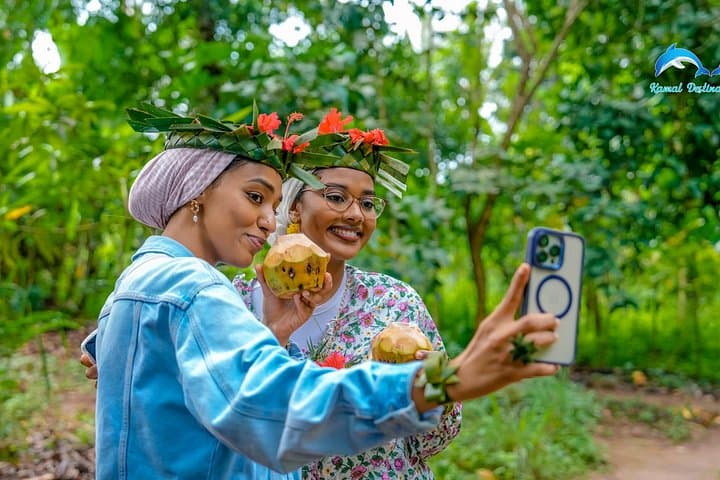
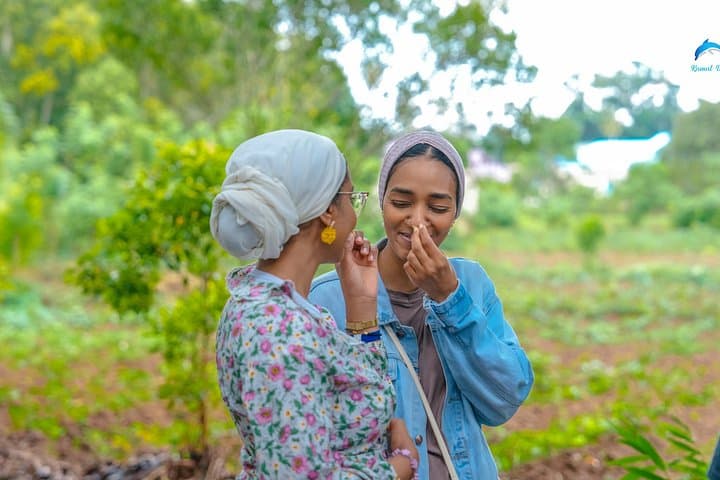

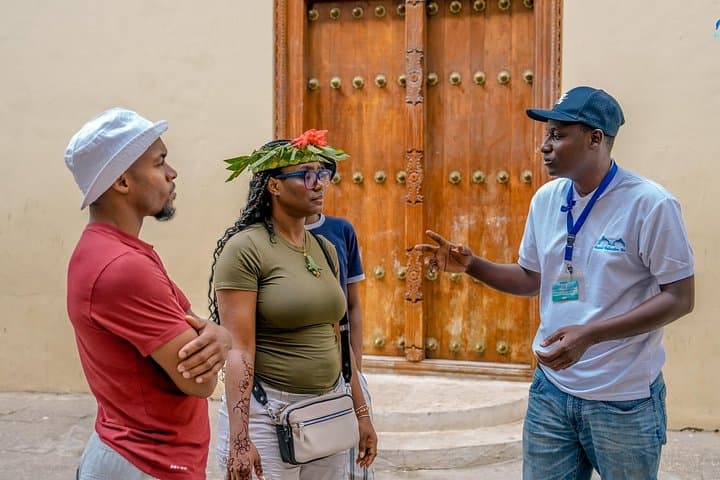
You step off the shaded van into a humid stitch of cloves, cinnamon and lemongrass — the spice farm hums with insects and the quick chatter of guides cracking open pods. Later, the maze of Stone Town’s alleys opens like a living map: carved doorways, coral-stone facades and the plank-worn corners where traders once met.
You step off the shaded van into a humid stitch of cloves, cinnamon and lemongrass — the spice farm hums with insects and the quick chatter of guides cracking open pods. Later, the maze of Stone Town’s alleys opens like a living map: carved doorways, coral-stone facades and the plank-worn corners where traders once met.
The islands of Unguja (Zanzibar) were a crossroads of Indian Ocean trade for centuries; Omani sultans, Persian merchants and Portuguese colonists left layers on the coast. Geologically the island is coral limestone over volcanic foundations, its soils ideal for cloves, nutmeg and vanilla that arrived with seafarers and became cash crops.
On the farm you’ll learn planting and harvesting techniques, taste raw spices, and can join a short cooking demo that explains how local blends flavor pilau and seafood dishes. In Stone Town the tour highlights the old fort, the Palace Museum and the former slave market site — each stop a piece of social history framed by narrow streets and ornate doors.
Prison Island (Changuu) adds a wildlife note: giant Aldabra tortoises and tidal shorelines offer photo ops and gentle walks.
Planning tips: this private tour runs about 4–6 hours and is mostly flat walking on farm paths and city pavements. Bring sun protection, a refillable water bottle, comfortable shoes for cobbles and a light rain layer during the long rains. Respect religious sites and local dress norms in Stone Town, and carry cash for small markets. Start mornings to avoid midday heat and get clearer light for photos.