THE ADVENTURE COLLECTIVE® · Independent discovery and booking for outdoor travel

Spend a day in Muyuni A for hands-on weaving, makuti roofing demonstrations and a guided descent into Ngonga Cave. This full-day cultural tour pairs village crafts with an atmospheric cave visit—ideal for travelers who want immersive, small-group experiences.
Spend a day in Muyuni A for hands-on weaving, makuti roofing demonstrations and a guided descent into Ngonga Cave. This full-day cultural tour pairs village crafts with an atmospheric cave visit—ideal for travelers who want immersive, small-group experiences.
You arrive off the main road to Muyuni A and the air changes—salt and dust give way to smoke from cooking fires and the steady rhythm of weaving needles. The village opens like a working map of tradition: women braiding makuti thatch, elders twisting rope, and children examining visitors with cautious curiosity.
Verified experiences and guided adventures in the surrounding area.
Operated by ARP Travel Group · Muyuni, Zanzibar
You arrive off the main road to Muyuni A and the air changes—salt and dust give way to smoke from cooking fires and the steady rhythm of weaving needles. The village opens like a working map of tradition: women braiding makuti thatch, elders twisting rope, and children examining visitors with cautious curiosity.
Muyuni sits on southern Unguja, where Swahili customs and centuries of Indian Ocean trade shape daily life. The Ngonga Cave nearby is a geological curiosity—limestone halls cut by groundwater over millennia that now host resident bat colonies and narrow, echoing chambers. Locally the cave is threaded into cultural practice; healers have long used its quiet confines for ritual and storytelling.
This full-day experience blends hands-on craft demonstrations with a guided walk into the cave. Expect dirt lanes, uneven steps and low-ceiling passages in the cave; ambient light is minimal and bats are part of the setting, best observed from a respectful distance. The culture here is direct and participatory: you’ll be invited to try rope-making or weaving, and small purchases support household incomes.
Practical guidance: wear closed-toe shoes with good grip, bring 1–2 liters of water, and pack sunscreen and a lightweight long-sleeve for cave humidity and insects. Carry small denominations of Tanzanian shillings for crafts and tipping. Photography is welcome but ask before photographing people, and avoid flash inside the cave to prevent disturbing bats. Tours typically depart from Stone Town; plan for a 6–7 hour day including travel. Move slowly, listen to local guides, and treat the cave as both an ecological habitat and a cultural site.
easy.
6–7 hours.
Light walking on dirt paths and short cave climbs; suitable for most travelers with basic mobility.
Most tours include pickup from Stone Town; otherwise arrange a taxi or private transfer—travel time is typically 1–1.5 hours depending on traffic.
Ngonga Cave has uneven, narrow passages and low ceilings; it is not suitable for travelers with significant mobility limitations or spinal issues.
Photography of crafts and landscapes is fine, but always ask permission before photographing people and avoid flash inside the cave to protect wildlife.
Guides will keep visitors to established paths; avoid touching or disturbing bats and do not enter off-route chambers—risk is low if guidelines are followed.
Muyuni’s practices reflect centuries of Swahili coastal culture shaped by African, Arab and Indian Ocean trade; traditional crafts like makuti thatching have both practical and cultural roots.
Support local artisans by buying directly and avoid single-use plastics; in the cave, follow guide instructions to minimize disturbance to bat colonies and fragile formations.
ARP Travel Group operates guided outdoor trips and adventures with an emphasis on safety, stewardship, and memorable experiences.
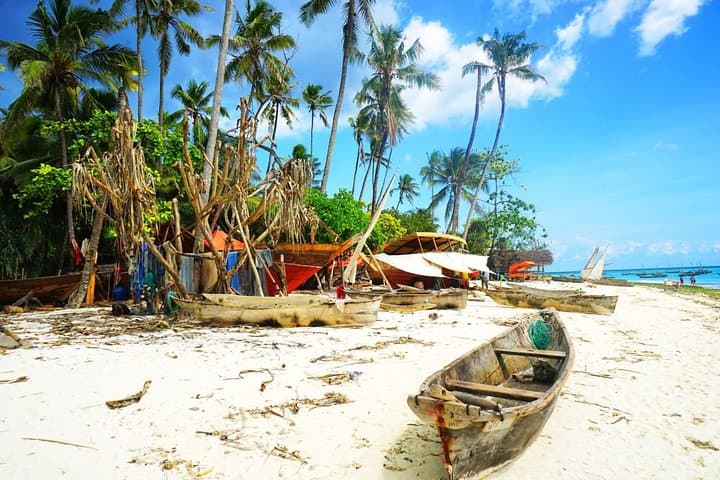
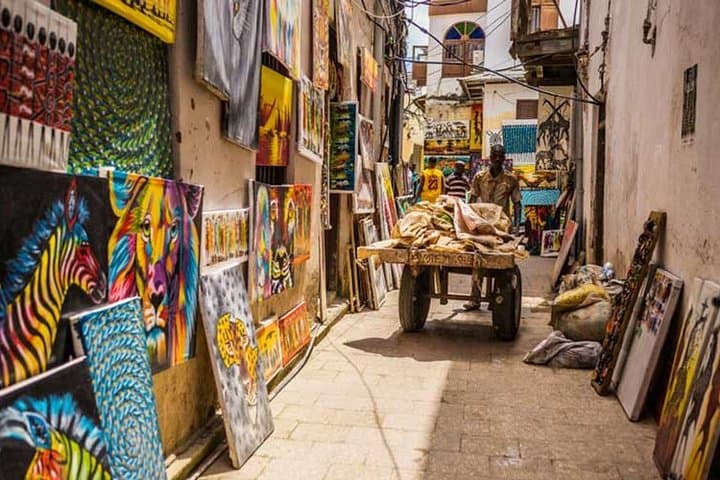
You arrive off the main road to Muyuni A and the air changes—salt and dust give way to smoke from cooking fires and the steady rhythm of weaving needles. The village opens like a working map of tradition: women braiding makuti thatch, elders twisting rope, and children examining visitors with cautious curiosity.
You arrive off the main road to Muyuni A and the air changes—salt and dust give way to smoke from cooking fires and the steady rhythm of weaving needles. The village opens like a working map of tradition: women braiding makuti thatch, elders twisting rope, and children examining visitors with cautious curiosity.
Muyuni sits on southern Unguja, where Swahili customs and centuries of Indian Ocean trade shape daily life. The Ngonga Cave nearby is a geological curiosity—limestone halls cut by groundwater over millennia that now host resident bat colonies and narrow, echoing chambers. Locally the cave is threaded into cultural practice; healers have long used its quiet confines for ritual and storytelling.
This full-day experience blends hands-on craft demonstrations with a guided walk into the cave. Expect dirt lanes, uneven steps and low-ceiling passages in the cave; ambient light is minimal and bats are part of the setting, best observed from a respectful distance. The culture here is direct and participatory: you’ll be invited to try rope-making or weaving, and small purchases support household incomes.
Practical guidance: wear closed-toe shoes with good grip, bring 1–2 liters of water, and pack sunscreen and a lightweight long-sleeve for cave humidity and insects. Carry small denominations of Tanzanian shillings for crafts and tipping. Photography is welcome but ask before photographing people, and avoid flash inside the cave to prevent disturbing bats. Tours typically depart from Stone Town; plan for a 6–7 hour day including travel. Move slowly, listen to local guides, and treat the cave as both an ecological habitat and a cultural site.