THE ADVENTURE COLLECTIVE® · Independent discovery and booking for outdoor travel

Spend a private six-hour day across Unguja exploring Jozani’s endemic monkeys, walking mangrove boardwalks, swimming with rehabilitated sea turtles at Salaam Cave, and photographing The Rock Restaurant. This concise loop combines wildlife, coastal geology, and practical conservation insight.
Spend a private six-hour day across Unguja exploring Jozani’s endemic monkeys, walking mangrove boardwalks, swimming with rehabilitated sea turtles at Salaam Cave, and photographing The Rock Restaurant. This concise loop combines wildlife, coastal geology, and practical conservation insight.
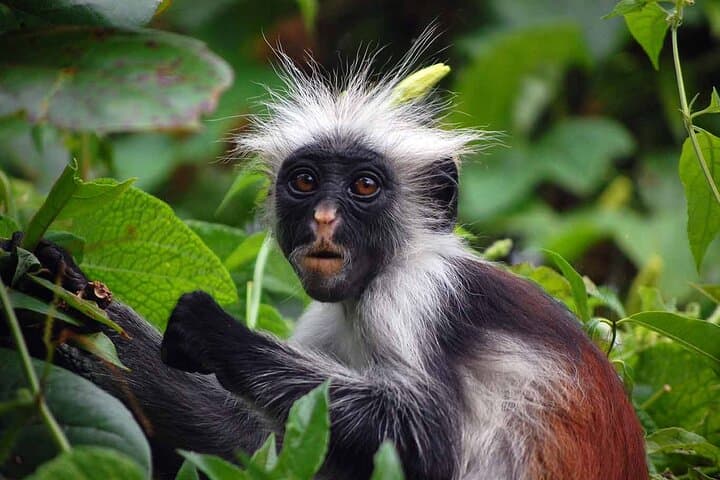
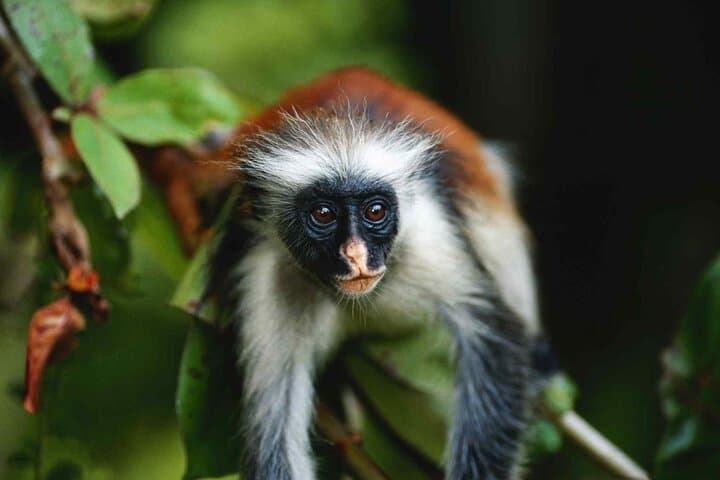
You step from a shaded lane into Jozani’s green hush: sunlight threads through a dense canopy, leaves drip with ocean-born humidity and a troop of red colobus moves like a thought through the branches. The day unfolds as a compact loop across Unguja — forest boardwalks, mangrove mud alive with black crabs, a sheltered cove for sea-turtle encounters, and a cliff-like rock crowned by a small restaurant where tide and view dictate arrival.
Verified experiences and guided adventures in the surrounding area.
Operated by Mkesha Safaris · Stone Town, Zanzibar
You step from a shaded lane into Jozani’s green hush: sunlight threads through a dense canopy, leaves drip with ocean-born humidity and a troop of red colobus moves like a thought through the branches. The day unfolds as a compact loop across Unguja — forest boardwalks, mangrove mud alive with black crabs, a sheltered cove for sea-turtle encounters, and a cliff-like rock crowned by a small restaurant where tide and view dictate arrival.
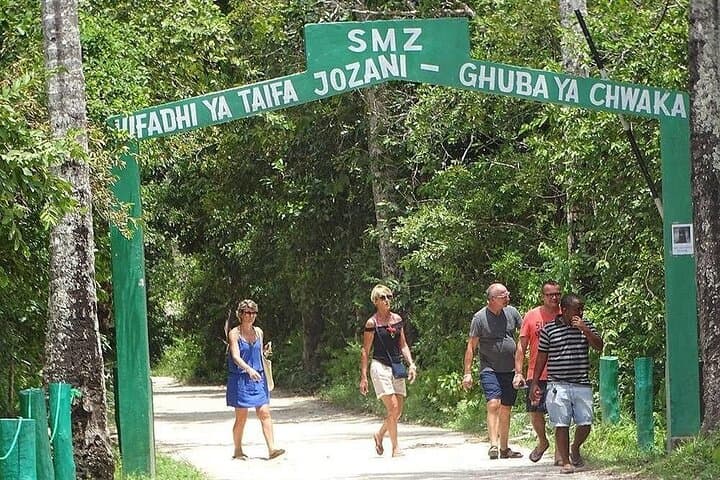
Jozani Chwaka Bay National Park protects Zanzibar’s last indigenous forest and the endemic Zanzibar red colobus. Geologically the island is uplifted coral and sand, so trails are flat but root-strewn; the mangrove boardwalk crosses tidal channels that filter nutrients to nearby reefs. The sea-turtle facility at Salaam Cave combines rescue and rehabilitation — an active conservation site where guides explain local nesting cycles. The Rock Restaurant at Michamvi sits on an offshore rock reachable at low tide or by boat at high tide and is a cultural stop as much as a meal.
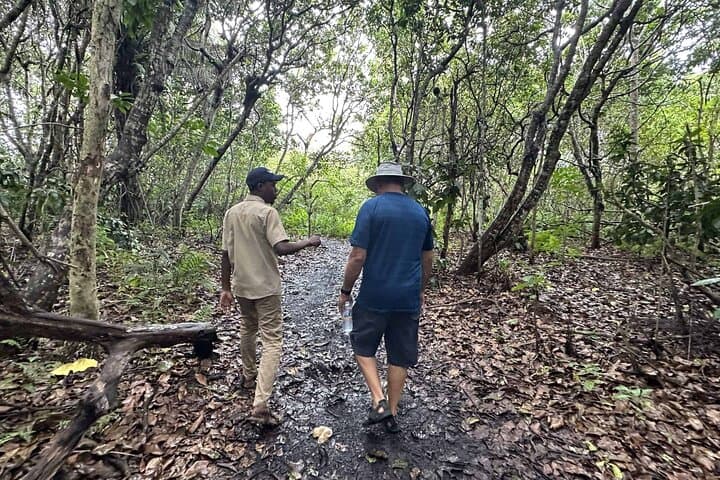
Practical notes: this private, 6-hour circuit typically allocates about 120 minutes for Jozani, 120 minutes for the turtle sanctuary (swim optional), and 60 minutes at The Rock. Expect short walks on uneven, sometimes muddy surfaces; bring reef-safe sunscreen, a swimsuit and towel, sturdy shoes for forest and boardwalk, and cash for independent lunch bookings. Watch tide times—boats may be used for access at high tide. Respect wildlife distance rules and follow guides’ instructions to support ongoing conservation efforts.
moderate.
6 hours.
Moderate fitness; short walks on uneven terrain and brief swims may be required. Comfortable mobility recommended.
Entry to the sanctuary is typically included, but guided swimming or close encounters may depend on rehabilitation schedules; follow the guide’s instructions.
Yes — The Rock often requires reservations and lunch is not included in the tour price; confirm placement and payment ahead of arrival.
Moderate mobility is recommended; children and seniors can participate but should be able to navigate short uneven paths and follow safety guidance.
This tour lists entry fees and a bottle of water as included; hotel pickup/drop-off and a local boat (if required by tide) are provided if that option is selected.
Zanzibar’s culture blends Swahili, Arab and Indian influences shaped by centuries of trade; Jozani preserves one of the island’s last native habitats amid that human history.
The turtle sanctuary and mangrove protection are active local efforts—visitors are asked to avoid disturbing nests, use reef-safe products and follow guides to reduce impact.
Mkesha Safaris operates guided outdoor trips and adventures with an emphasis on safety, stewardship, and memorable experiences.
You step from a shaded lane into Jozani’s green hush: sunlight threads through a dense canopy, leaves drip with ocean-born humidity and a troop of red colobus moves like a thought through the branches. The day unfolds as a compact loop across Unguja — forest boardwalks, mangrove mud alive with black crabs, a sheltered cove for sea-turtle encounters, and a cliff-like rock crowned by a small restaurant where tide and view dictate arrival.
You step from a shaded lane into Jozani’s green hush: sunlight threads through a dense canopy, leaves drip with ocean-born humidity and a troop of red colobus moves like a thought through the branches. The day unfolds as a compact loop across Unguja — forest boardwalks, mangrove mud alive with black crabs, a sheltered cove for sea-turtle encounters, and a cliff-like rock crowned by a small restaurant where tide and view dictate arrival.
Jozani Chwaka Bay National Park protects Zanzibar’s last indigenous forest and the endemic Zanzibar red colobus. Geologically the island is uplifted coral and sand, so trails are flat but root-strewn; the mangrove boardwalk crosses tidal channels that filter nutrients to nearby reefs. The sea-turtle facility at Salaam Cave combines rescue and rehabilitation — an active conservation site where guides explain local nesting cycles. The Rock Restaurant at Michamvi sits on an offshore rock reachable at low tide or by boat at high tide and is a cultural stop as much as a meal.
Practical notes: this private, 6-hour circuit typically allocates about 120 minutes for Jozani, 120 minutes for the turtle sanctuary (swim optional), and 60 minutes at The Rock. Expect short walks on uneven, sometimes muddy surfaces; bring reef-safe sunscreen, a swimsuit and towel, sturdy shoes for forest and boardwalk, and cash for independent lunch bookings. Watch tide times—boats may be used for access at high tide. Respect wildlife distance rules and follow guides’ instructions to support ongoing conservation efforts.