THE ADVENTURE COLLECTIVE® · Independent discovery and booking for outdoor travel

Race a jet ski along the northern coast of Unguja while a drone captures your best moves. This short, beginner‑friendly ride out of Kendwa or Nungwi pairs adrenaline with edited photos and video for easy sharing.
Race a jet ski along the northern coast of Unguja while a drone captures your best moves. This short, beginner‑friendly ride out of Kendwa or Nungwi pairs adrenaline with edited photos and video for easy sharing.
A spray of salt hits the face as a jet ski kicks away from the shallow shore at Nungwi, the engine a bright punctuation against the long, blue horizon. Riders cut across open water, the drone climbing above to lock a cinematic frame of speed and shoreline — rock outcrops and white sand sliding past like a map.
Verified experiences and guided adventures in the surrounding area.
Operated by Zanturtle Explore Tours and Safaris · Nungwi, Unguja North
A spray of salt hits the face as a jet ski kicks away from the shallow shore at Nungwi, the engine a bright punctuation against the long, blue horizon. Riders cut across open water, the drone climbing above to lock a cinematic frame of speed and shoreline — rock outcrops and white sand sliding past like a map.
The north coast of Unguja has long been a working seascape: Nungwi and Kendwa evolved from fishing and dhow‑building villages into beach hubs while keeping close ties to maritime craft and reef ecology. The beaches sit on coral limestone with fringing reefs offshore; currents can shift with the monsoon rhythm that defines local seasons. Cultural markers — boatwrights at work, Swahili seafood stalls — sit just inland from the launch sites.
Practically, the experience is short, sharp and accessible. Hotel pickup delivers guests to a beach briefing where life jackets and basic handling are covered; rides run 15–60 minutes, typically 30 minutes with the first 15 filmed by drone. Operators expect riders to be comfortable in the water, but no advanced skills are required. Wear reef‑safe sunscreen, secure phones in a dry pouch, and choose a morning slot for flatter seas and cooler temperatures. Respect flagged zones: reefs and turtle feeding grounds are off limits.
You'll leave with edited photos and video within days — the kind of visual proof that makes a brief, adrenalin‑rich outing feel like a proper coastal reconnaissance mission.
easy.
30–60 minutes.
Suitable for people in average physical condition who are comfortable in the water; brief bursts of standing or bracing required.
No—operators provide a safety briefing and basic handling instructions; the activity is suitable for beginners.
Drone filming is included for the first 15–20 minutes but may vary with weather, operator discretion, or local airspace rules.
Yes—private transportation for pickup and drop‑off from hotels is typically included in the tour price.
Yes; life jackets are provided and must be worn for safety at all times.
Nungwi and Kendwa grew from dhow‑building and fishing communities; Nungwi remains known for traditional boatwrights and a strong connection to Swahili maritime culture.
Avoid anchoring on reefs, use reef‑safe sunscreen, and follow operator guidance to minimize disturbance to turtle foraging areas and coral communities.
Zanturtle Explore Tours and Safaris operates guided outdoor trips and adventures with an emphasis on safety, stewardship, and memorable experiences.
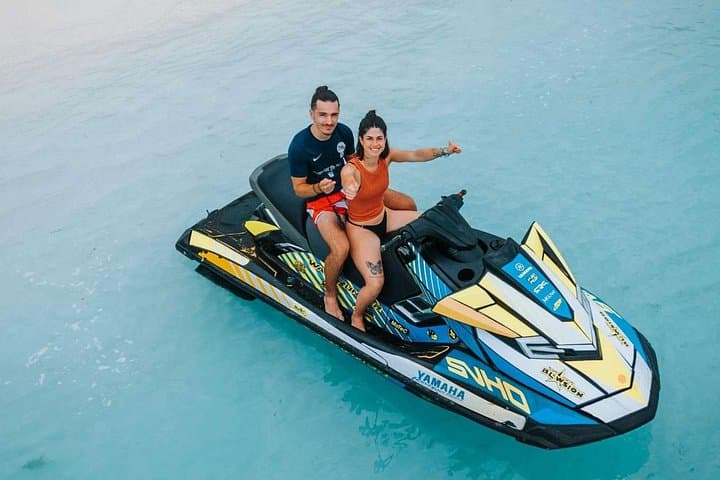
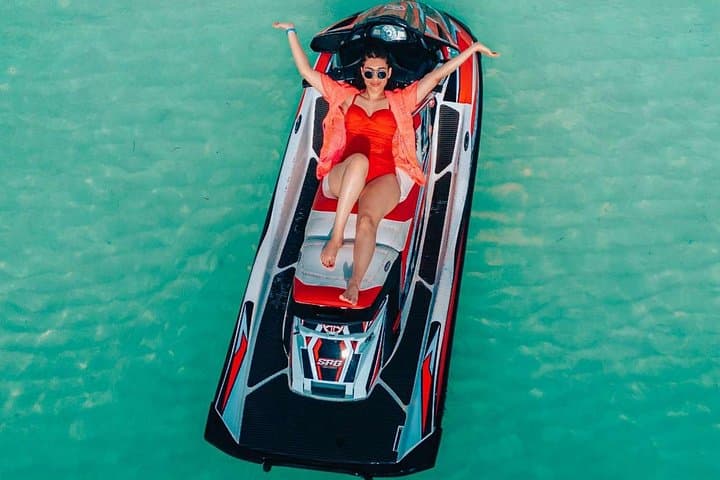
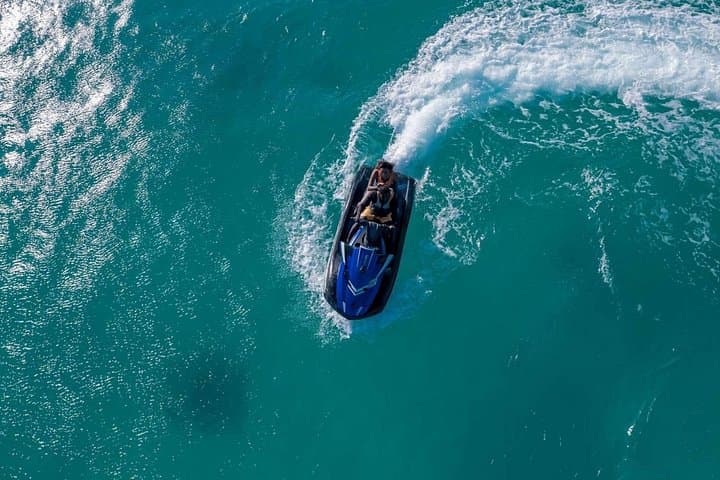
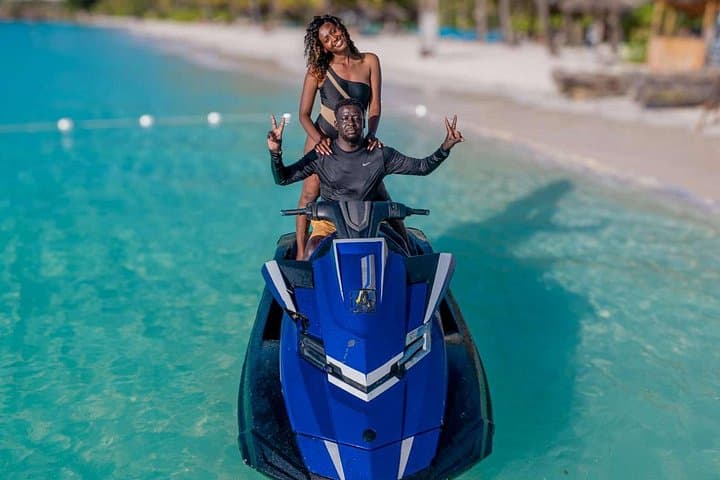
A spray of salt hits the face as a jet ski kicks away from the shallow shore at Nungwi, the engine a bright punctuation against the long, blue horizon. Riders cut across open water, the drone climbing above to lock a cinematic frame of speed and shoreline — rock outcrops and white sand sliding past like a map.
A spray of salt hits the face as a jet ski kicks away from the shallow shore at Nungwi, the engine a bright punctuation against the long, blue horizon. Riders cut across open water, the drone climbing above to lock a cinematic frame of speed and shoreline — rock outcrops and white sand sliding past like a map.
The north coast of Unguja has long been a working seascape: Nungwi and Kendwa evolved from fishing and dhow‑building villages into beach hubs while keeping close ties to maritime craft and reef ecology. The beaches sit on coral limestone with fringing reefs offshore; currents can shift with the monsoon rhythm that defines local seasons. Cultural markers — boatwrights at work, Swahili seafood stalls — sit just inland from the launch sites.
Practically, the experience is short, sharp and accessible. Hotel pickup delivers guests to a beach briefing where life jackets and basic handling are covered; rides run 15–60 minutes, typically 30 minutes with the first 15 filmed by drone. Operators expect riders to be comfortable in the water, but no advanced skills are required. Wear reef‑safe sunscreen, secure phones in a dry pouch, and choose a morning slot for flatter seas and cooler temperatures. Respect flagged zones: reefs and turtle feeding grounds are off limits.
You'll leave with edited photos and video within days — the kind of visual proof that makes a brief, adrenalin‑rich outing feel like a proper coastal reconnaissance mission.