THE ADVENTURE COLLECTIVE® · Independent discovery and booking for outdoor travel

Spend a day chasing dolphins off Kizimkazi, swimming in Kuza Cave, lounging on Paje Beach, lunching at The Rock, and tracking red colobus monkeys in Jozani. This full-day circuit mixes boat time with guided walks and beach relaxation—ideal for first-time visitors who want a wide view of Unguja.
Spend a day chasing dolphins off Kizimkazi, swimming in Kuza Cave, lounging on Paje Beach, lunching at The Rock, and tracking red colobus monkeys in Jozani. This full-day circuit mixes boat time with guided walks and beach relaxation—ideal for first-time visitors who want a wide view of Unguja.
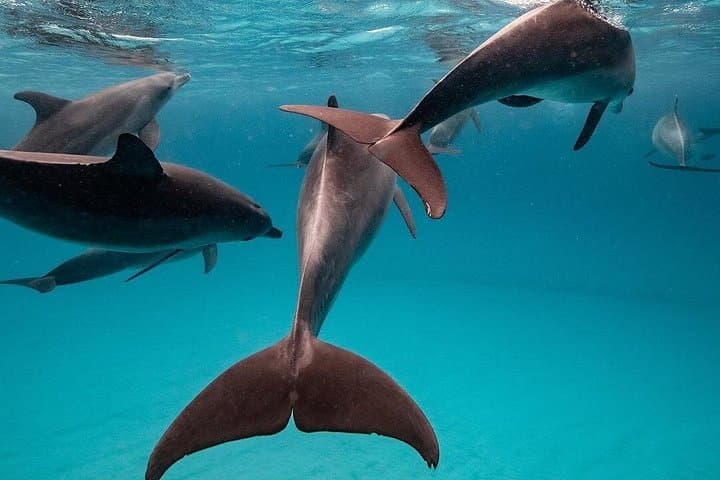
Morning light over Stone Town glances off the Indian Ocean as a small fiber boat slips away toward Kizimkazi, where dolphins wheel and breath against the wake. The water here has a voice—currents nudging the hull, reef fingers cutting the blue—and the first hours are all about chasing movement and moments: pods of spinner dolphins surfacing close enough to feel the spray.
Verified experiences and guided adventures in the surrounding area.
Operated by TripSavvy.co.tz · Stone Town, Zanzibar
Morning light over Stone Town glances off the Indian Ocean as a small fiber boat slips away toward Kizimkazi, where dolphins wheel and breath against the wake. The water here has a voice—currents nudging the hull, reef fingers cutting the blue—and the first hours are all about chasing movement and moments: pods of spinner dolphins surfacing close enough to feel the spray.
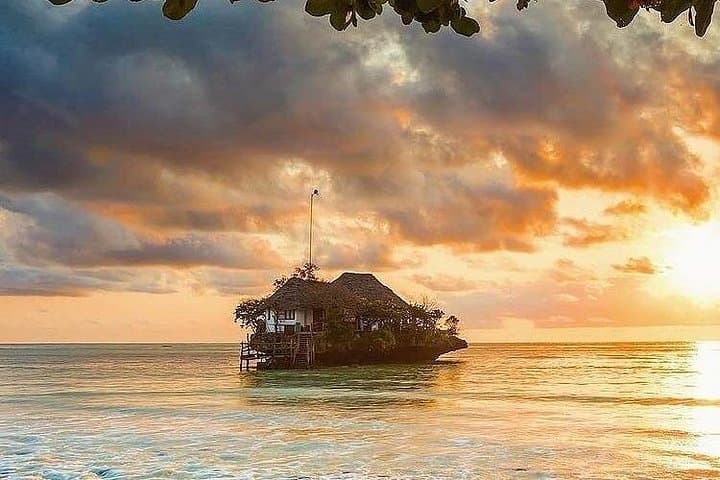
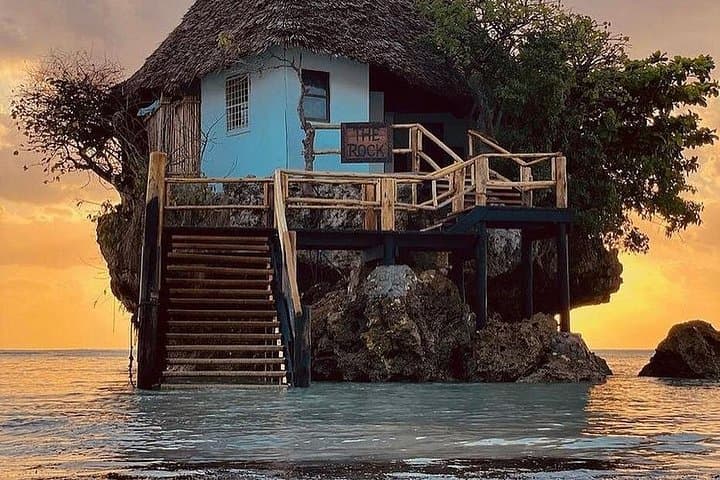
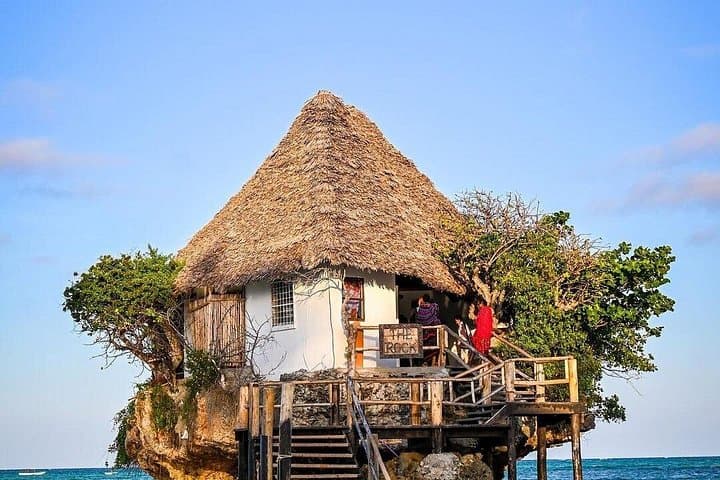
Later the day moves ashore to Kuza Cave at Jambiani, where limestone has been hollowed into crystal pools and local stories are arranged among stalactites. The island’s coral-reef geology created both the beaches of Paje and the mangrove-lined vales of Jozani Chwaka Bay, a short drive away. Cultural layers are visible too: Swahili trade routes, Omani architecture in Stone Town, and coastal fishing villages that still supply the day’s catch to The Rock Restaurant on a tidal outcrop.
Practical guidance governs the rhythm: dolphin sightings are tide- and season-dependent, so mornings around high tide improve odds; boats are stable but expect salt spray and sun. Kuza Cave includes shallow swims—water shoes and reef-safe sunscreen make the experience easier and kinder to coral. Jozani’s boardwalks are compact but can be muddy after rain; keep voices low to avoid spooking red colobus monkeys. Bring cash for local vendors, a charged phone for photos, and a lightweight daypack for the long transfer across the island.
This is a full-day loop across the eastern and southern shores of Unguja—equal parts sea motion and forest hush—best for travelers who want a compact sampler of Zanzibar’s natural and cultural highlights.
easy.
11 hours.
Comfortable for travelers with basic mobility; involves short boat rides, gentle beach walking and boardwalk trails.
Sightings are common but not guaranteed; mornings near the right tides increase chances, and experienced crews know local dolphin patterns.
Operators typically allow supervised swims for older children; confirm age limits and life-jacket availability when booking and follow crew safety briefings.
Some transport and accessibility options exist, but Kuza Cave and parts of Jozani include stairs or uneven surfaces—check specifics with the operator prior to travel.
This itinerary includes a planned seafood lunch at The Rock; dietary needs should be communicated ahead of time for menu adjustments.
Unguja’s coast reflects centuries of Swahili culture and Omani trade, with Stone Town as the historical hub for commerce and cultural exchange.
Menai Bay and Jozani are protected areas with community-based rules; use reef-safe products, avoid touching coral, and respect wildlife viewing distances.
TripSavvy.co.tz operates guided outdoor trips and adventures with an emphasis on safety, stewardship, and memorable experiences.
Morning light over Stone Town glances off the Indian Ocean as a small fiber boat slips away toward Kizimkazi, where dolphins wheel and breath against the wake. The water here has a voice—currents nudging the hull, reef fingers cutting the blue—and the first hours are all about chasing movement and moments: pods of spinner dolphins surfacing close enough to feel the spray.
Morning light over Stone Town glances off the Indian Ocean as a small fiber boat slips away toward Kizimkazi, where dolphins wheel and breath against the wake. The water here has a voice—currents nudging the hull, reef fingers cutting the blue—and the first hours are all about chasing movement and moments: pods of spinner dolphins surfacing close enough to feel the spray.
Later the day moves ashore to Kuza Cave at Jambiani, where limestone has been hollowed into crystal pools and local stories are arranged among stalactites. The island’s coral-reef geology created both the beaches of Paje and the mangrove-lined vales of Jozani Chwaka Bay, a short drive away. Cultural layers are visible too: Swahili trade routes, Omani architecture in Stone Town, and coastal fishing villages that still supply the day’s catch to The Rock Restaurant on a tidal outcrop.
Practical guidance governs the rhythm: dolphin sightings are tide- and season-dependent, so mornings around high tide improve odds; boats are stable but expect salt spray and sun. Kuza Cave includes shallow swims—water shoes and reef-safe sunscreen make the experience easier and kinder to coral. Jozani’s boardwalks are compact but can be muddy after rain; keep voices low to avoid spooking red colobus monkeys. Bring cash for local vendors, a charged phone for photos, and a lightweight daypack for the long transfer across the island.
This is a full-day loop across the eastern and southern shores of Unguja—equal parts sea motion and forest hush—best for travelers who want a compact sampler of Zanzibar’s natural and cultural highlights.