THE ADVENTURE COLLECTIVE® · Independent discovery and booking for outdoor travel

An eight-day road expedition from Leh to the hidden heart of Zanskar — glaciers, monasteries and river runs. Expect long drives, high passes, simple homestays and day hikes at 3,000–4,000 m.
An eight-day road expedition from Leh to the hidden heart of Zanskar — glaciers, monasteries and river runs. Expect long drives, high passes, simple homestays and day hikes at 3,000–4,000 m.
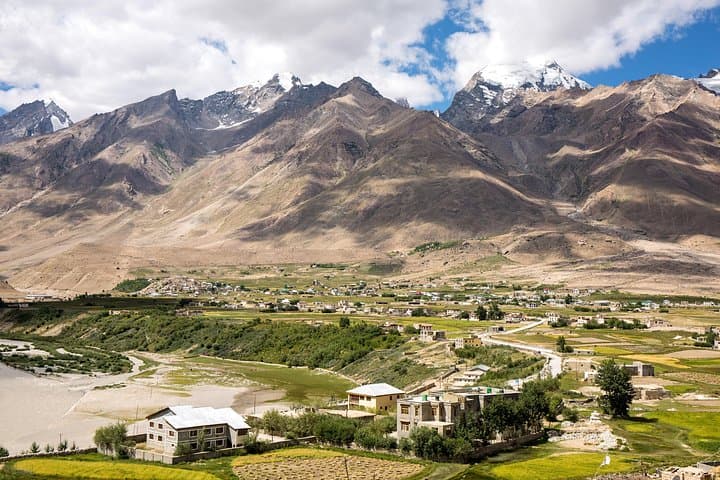
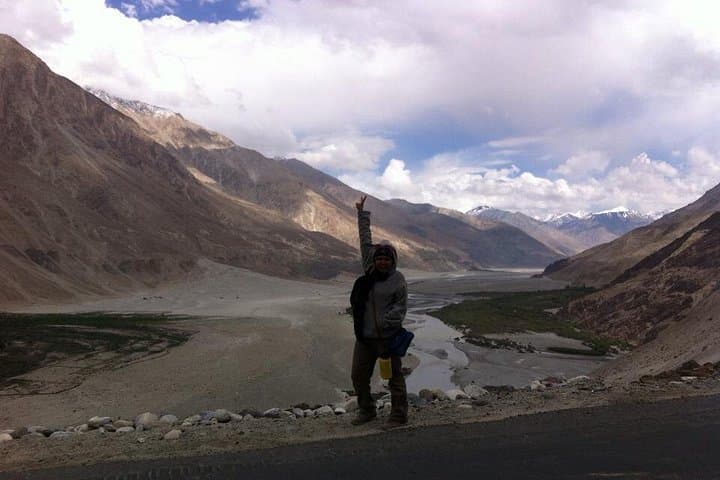
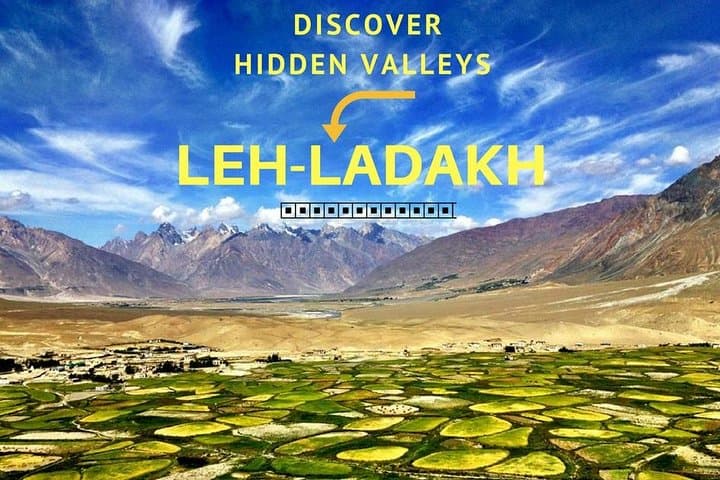
You arrive in Leh with thin air and a quiet sky, then the road draws you west into a landscape that alternates between stern rock and sudden green. Over eight days the journey becomes a sequence of passes, river confluences and monasteries: Indus meets Zanskar, a ribbon of water daring you to follow; Lamayuru's moonscape gives way to the ice-sculpted Drang-Drung glacier and the alpine pockets around Padum.
Verified experiences and guided adventures in the surrounding area.
Operated by Two Travel Tailors · Padum, Ladakh
You arrive in Leh with thin air and a quiet sky, then the road draws you west into a landscape that alternates between stern rock and sudden green. Over eight days the journey becomes a sequence of passes, river confluences and monasteries: Indus meets Zanskar, a ribbon of water daring you to follow; Lamayuru's moonscape gives way to the ice-sculpted Drang-Drung glacier and the alpine pockets around Padum.
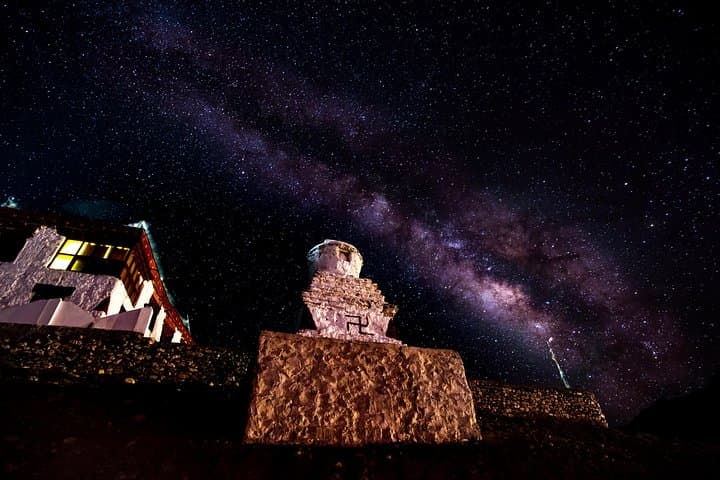
The valley’s villages preserve a hybrid cultural history — Tibetan Buddhist monasteries like Karsha and Stonday stand alongside traces of Indo‑Aryan routes that threaded these ranges for centuries. Geologically, Zanskar is carved by glaciers and seasonal rivers; expect steep valley walls, moraines and active stream channels that reveal young, shifting terrain.
Practically: this is a road-based expedition with optional day hikes (3–8 km, typical climbs 200–600 m) and river rafting sections in summer (river difficulty commonly Class II–III, varying by season). Altitudes sit between 3,200–4,000 m—acclimatization in Leh (≈3,500 m) is built into the itinerary for a reason.
Plan for strong UV, sudden weather swings, and simple accommodations (homestays / 3‑star). Hydrate, pace yourself on walking days, and wear footwear with grippy soles for glacial streams and loose scree. Best months: late June–September when roads and rivers are most reliable. Respect monastery protocols, carry cash in small towns, and be ready to trade comfort for landscape — the payoff is long, clear views and a landscape that feels earned.
moderate.
7–8 days.
Moderate fitness: comfortable walking for several hours at a time and coping with high altitude is required.
Late June through September is the most reliable window—roads and river conditions are safer after spring thaw and before early winter snows.
Indian nationals do not usually need special permits beyond ID, but foreign travelers should check current permit requirements for Ladakh and any restricted border zones before travel.
Altitude effects are possible—acclimatization days in Leh are included; stay hydrated, avoid alcohol on arrival, and inform guides if you feel severe symptoms.
Accommodations are a mix of homestays and basic 3‑star lodging; expect simple amenities and hot meals in larger towns.
Zanskar’s monasteries and villages reflect centuries of Himalayan trade and Buddhist practice; routes here connected Tibetan plateaus with Indo‑Aryan valleys.
This high‑altitude environment is fragile—stick to established tracks, pack out all waste, and avoid disturbing grazing areas or historic sites.
Two Travel Tailors operates guided outdoor trips and adventures with an emphasis on safety, stewardship, and memorable experiences.
You arrive in Leh with thin air and a quiet sky, then the road draws you west into a landscape that alternates between stern rock and sudden green. Over eight days the journey becomes a sequence of passes, river confluences and monasteries: Indus meets Zanskar, a ribbon of water daring you to follow; Lamayuru's moonscape gives way to the ice-sculpted Drang-Drung glacier and the alpine pockets around Padum.
You arrive in Leh with thin air and a quiet sky, then the road draws you west into a landscape that alternates between stern rock and sudden green. Over eight days the journey becomes a sequence of passes, river confluences and monasteries: Indus meets Zanskar, a ribbon of water daring you to follow; Lamayuru's moonscape gives way to the ice-sculpted Drang-Drung glacier and the alpine pockets around Padum.
The valley’s villages preserve a hybrid cultural history — Tibetan Buddhist monasteries like Karsha and Stonday stand alongside traces of Indo‑Aryan routes that threaded these ranges for centuries. Geologically, Zanskar is carved by glaciers and seasonal rivers; expect steep valley walls, moraines and active stream channels that reveal young, shifting terrain.
Practically: this is a road-based expedition with optional day hikes (3–8 km, typical climbs 200–600 m) and river rafting sections in summer (river difficulty commonly Class II–III, varying by season). Altitudes sit between 3,200–4,000 m—acclimatization in Leh (≈3,500 m) is built into the itinerary for a reason.
Plan for strong UV, sudden weather swings, and simple accommodations (homestays / 3‑star). Hydrate, pace yourself on walking days, and wear footwear with grippy soles for glacial streams and loose scree. Best months: late June–September when roads and rivers are most reliable. Respect monastery protocols, carry cash in small towns, and be ready to trade comfort for landscape — the payoff is long, clear views and a landscape that feels earned.