THE ADVENTURE COLLECTIVE® · Independent discovery and booking for outdoor travel

Run the classic Batoka Gorge rapids below Victoria Falls on a full-day, low-water rafting descent of the Zambezi. Expect grade 4–5 rapids, expert guides, and an intense, physical river experience.
Run the classic Batoka Gorge rapids below Victoria Falls on a full-day, low-water rafting descent of the Zambezi. Expect grade 4–5 rapids, expert guides, and an intense, physical river experience.
You push off where the river thins into Batoka Gorge, the thunder of Victoria Falls still vibrating in your chest. Spray cuts the air, the raft yawns into a corridor of basalt walls and the Zambezi, as if daring you, tightens its grip. From the Boiling Pot the first set of ledges hurls you into a sequence of named terrors—The Mother, Gnashing Jaws of Death, Oblivion—each rapid a physical punctuation mark in an otherwise primeval canyon.
Verified experiences and guided adventures in the surrounding area.
Operated by Africa Beast Safaris · Victoria Falls, Matabeleland North
You push off where the river thins into Batoka Gorge, the thunder of Victoria Falls still vibrating in your chest. Spray cuts the air, the raft yawns into a corridor of basalt walls and the Zambezi, as if daring you, tightens its grip. From the Boiling Pot the first set of ledges hurls you into a sequence of named terrors—The Mother, Gnashing Jaws of Death, Oblivion—each rapid a physical punctuation mark in an otherwise primeval canyon.
This stretch of the Zambezi runs through basalt carved by ancient lava flows; the gorge’s geology produces the step-like rapids that made these waters famous. Colonial-era explorers mapped the falls and the river corridor, while local Tonga and Lozi communities have long histories tied to the river’s seasonal moods.
Practically, expect a full-day outing that starts before mid-morning with safety briefings and practice strokes. Guides outfit you with helmets, life vests and instruction; swimsuits, secure footwear, and a willingness to paddle are the currency here. Low-water season (typically Northern Hemisphere winter months) exposes more rocks and turns many rapids into technical, punchy drops—more intense but also hugely rewarding for experienced paddlers.
Plan for strong sun, sudden spray, and physical exertion: hydrate well, use reef-safe sunscreen, and bring a small dry bag for camera gear if allowed. Operators usually include lunch and bottled water; tipping your guide is customary. If you want the full, unfiltered Zambezi—loud, raw and unforgiving—this descent is as direct as it gets, demanding respect and delivering unforgettable adrenaline.
challenging.
6–8 hours.
Expect sustained paddling and occasional hauling of the raft; good cardiovascular fitness and core strength help.
The standard low-water run covers roughly 23 km (about 14 miles) of the Batoka Gorge and takes most groups 6–8 hours including briefings and transfers.
No formal experience is required, but operators expect a high level of fitness and basic swimming ability; guides give thorough briefings and lead all maneuvers.
Low-water months (typically May–September) produce technical grade 4–5 rapids that many consider the best for thrills; high-water season (Dec–Mar) can change conditions and sometimes lead to closures.
Operators monitor river flow daily—trips may be modified, shortened, or canceled for safety; refunds or rebooking options are standard when levels force cancellations.
The Batoka Gorge was formed by basalt flows and river incision over millennia; European explorers established the falls as a major landmark in the late 19th century, while local people maintained cultural ties to the river long before.
Rafting operators are increasingly adopting waste-free practices and working with local communities to minimize impact; follow guide instructions to avoid trampling sensitive riverbank vegetation.
Africa Beast Safaris operates guided outdoor trips and adventures with an emphasis on safety, stewardship, and memorable experiences.
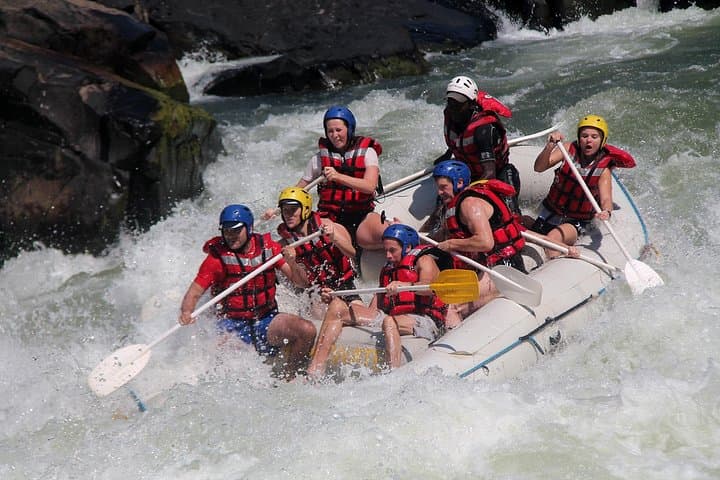
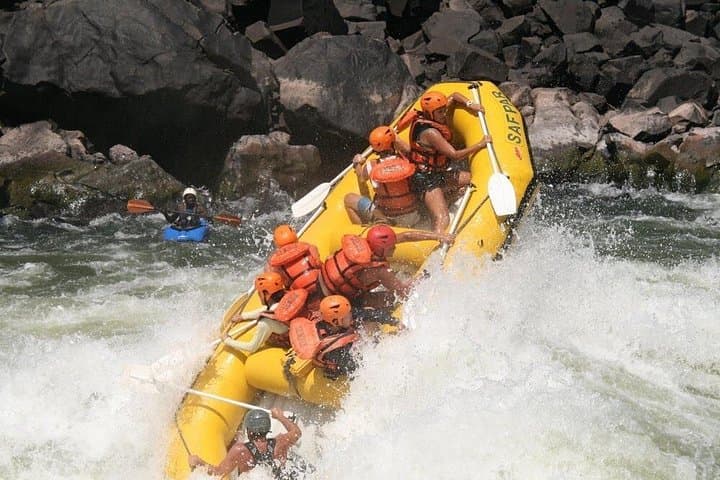
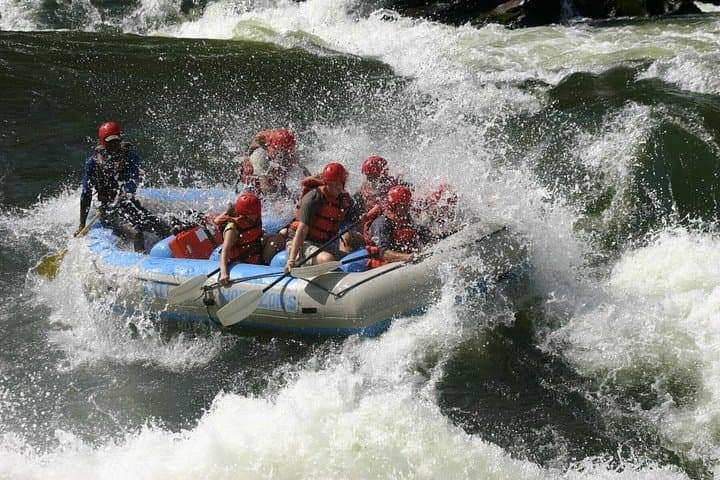
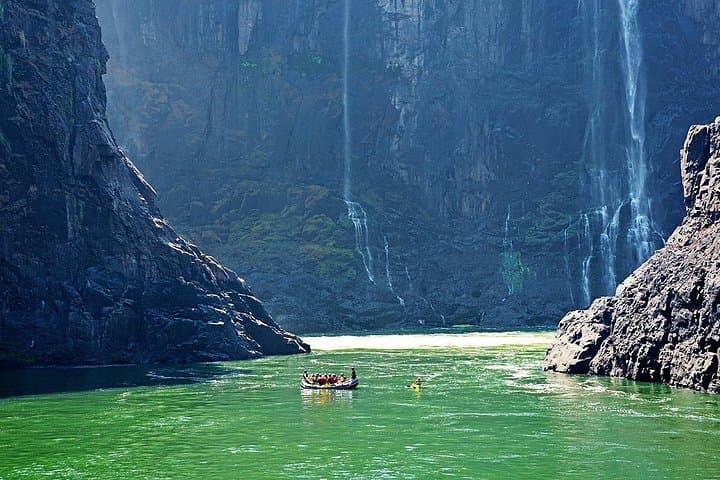
You push off where the river thins into Batoka Gorge, the thunder of Victoria Falls still vibrating in your chest. Spray cuts the air, the raft yawns into a corridor of basalt walls and the Zambezi, as if daring you, tightens its grip. From the Boiling Pot the first set of ledges hurls you into a sequence of named terrors—The Mother, Gnashing Jaws of Death, Oblivion—each rapid a physical punctuation mark in an otherwise primeval canyon.
You push off where the river thins into Batoka Gorge, the thunder of Victoria Falls still vibrating in your chest. Spray cuts the air, the raft yawns into a corridor of basalt walls and the Zambezi, as if daring you, tightens its grip. From the Boiling Pot the first set of ledges hurls you into a sequence of named terrors—The Mother, Gnashing Jaws of Death, Oblivion—each rapid a physical punctuation mark in an otherwise primeval canyon.
This stretch of the Zambezi runs through basalt carved by ancient lava flows; the gorge’s geology produces the step-like rapids that made these waters famous. Colonial-era explorers mapped the falls and the river corridor, while local Tonga and Lozi communities have long histories tied to the river’s seasonal moods.
Practically, expect a full-day outing that starts before mid-morning with safety briefings and practice strokes. Guides outfit you with helmets, life vests and instruction; swimsuits, secure footwear, and a willingness to paddle are the currency here. Low-water season (typically Northern Hemisphere winter months) exposes more rocks and turns many rapids into technical, punchy drops—more intense but also hugely rewarding for experienced paddlers.
Plan for strong sun, sudden spray, and physical exertion: hydrate well, use reef-safe sunscreen, and bring a small dry bag for camera gear if allowed. Operators usually include lunch and bottled water; tipping your guide is customary. If you want the full, unfiltered Zambezi—loud, raw and unforgiving—this descent is as direct as it gets, demanding respect and delivering unforgettable adrenaline.